Gulf Nations Bypass Hormuz with New Pipelines
Gulf nations accelerate pipeline projects, reducing reliance on Strait of Hormuz. New routes aim to secure oil exports.
'%3E%3Crect%20width%3D'96'%20height%3D'96'%20fill%3D'%234A235A'%2F%3E%3Ccircle%20cx%3D'30'%20cy%3D'24'%20r%3D'44'%20fill%3D'%23fff'%20opacity%3D'.12'%2F%3E%3Ccircle%20cx%3D'60'%20cy%3D'74'%20r%3D'40'%20fill%3D'%23000'%20opacity%3D'.10'%2F%3E%3C%2Fg%3E%3Cg%20fill%3D'none'%20stroke%3D'%23fff'%20stroke-width%3D'3'%3E%3Ccircle%20cx%3D'48'%20cy%3D'48'%20r%3D'16'%2F%3E%3Cellipse%20cx%3D'48'%20cy%3D'48'%20rx%3D'6.5'%20ry%3D'16'%2F%3E%3Cline%20x1%3D'32'%20y1%3D'42'%20x2%3D'64'%20y2%3D'42'%2F%3E%3Cline%20x1%3D'32'%20y1%3D'54'%20x2%3D'64'%20y2%3D'54'%2F%3E%3C%2Fg%3E%3C%2Fsvg%3E)
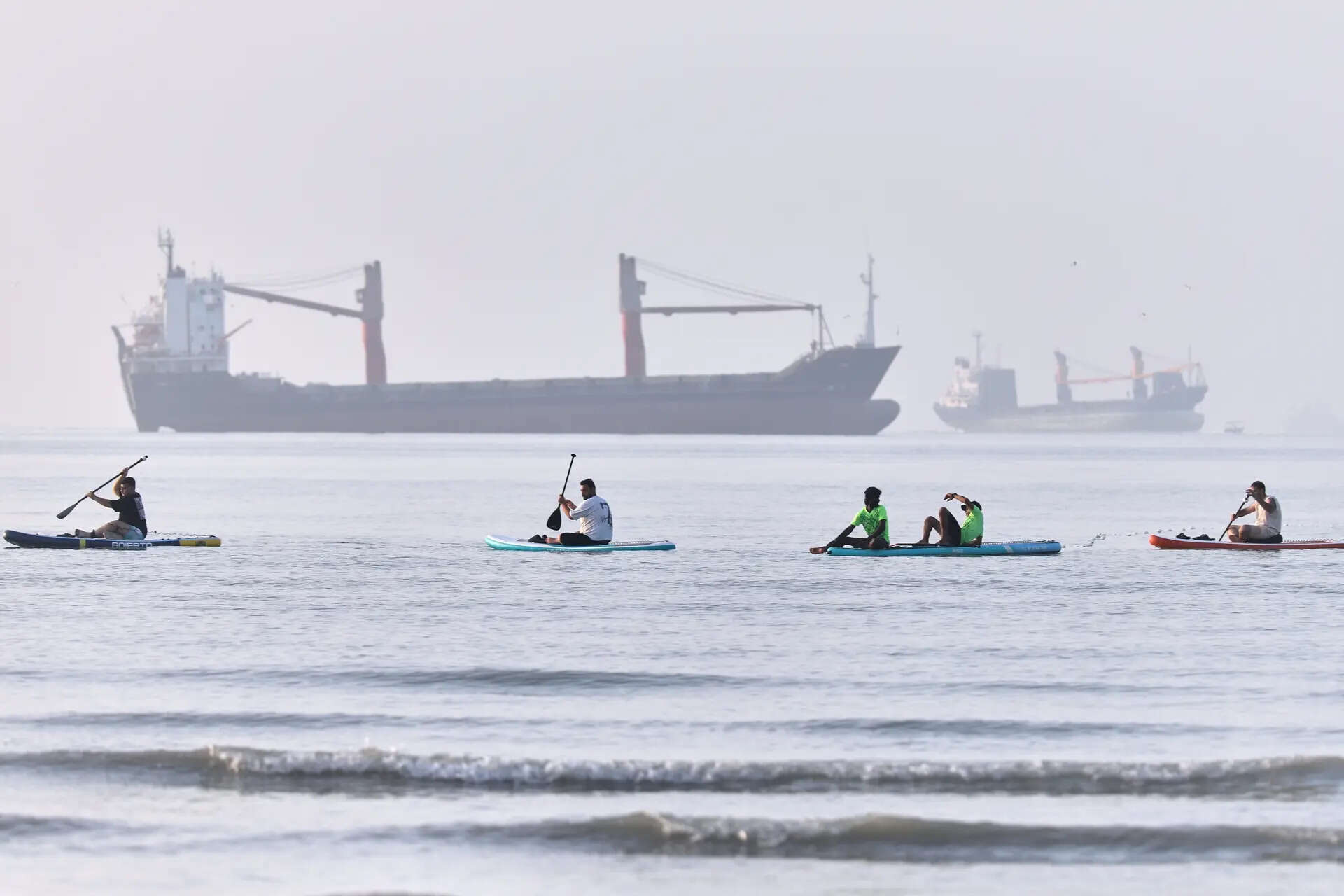
Gulf nations are speeding up pipeline projects to circumvent the Strait of Hormuz, a critical waterway that has long been a bottleneck for oil exports. The new routes will enable the transportation of oil without dependence on this narrow and strategically important passage. Several major pipeline projects are currently under construction or in the planning stages, underscoring the region's determination to diversify its export routes.
The primary motivation behind these efforts is to shield regional oil exports from potential disruptions. The Strait of Hormuz has been a source of concern due to its vulnerability to conflicts and geopolitical tensions. By developing alternative routes, Gulf nations aim to mitigate the risks associated with relying on a single, sensitive waterway.
One of the key pipeline projects underway is designed to transport oil from the Gulf region to the Arabian Sea, thereby avoiding the Strait of Hormuz. This project, along with several others, is expected to significantly enhance the region's export capabilities and reduce its reliance on the strait.
However, these alternative routes are not without their own set of challenges and increased costs. The construction of new pipelines requires substantial investment, and the operation of these routes will likely be more expensive than traditional methods. Furthermore, the new routes may also be susceptible to their own unique risks, including terrorist attacks and sabotage.
Despite these challenges, Gulf nations are pushing forward with their pipeline projects, driven by the need to secure their oil exports and maintain their position in the global energy market. The development of these new routes is expected to have far-reaching implications for the region's economy and energy sector.
The Gulf region's oil exports are a critical component of the global energy supply, and any disruptions to these exports can have significant consequences for the world economy. By diversifying their export routes, Gulf nations are taking proactive steps to protect their interests and ensure the continued flow of oil to global markets.
In the context of the global energy landscape, the Gulf region's efforts to bypass the Strait of Hormuz are a strategic move to maintain their competitiveness and influence in the market. As the world's energy demands continue to evolve, the development of new pipeline routes will play a crucial role in shaping the future of the energy sector.
The significance of these pipeline projects extends beyond the Gulf region, as they have the potential to impact the global energy market and the economies of nations that rely heavily on oil imports. As the world navigates the complexities of the energy sector, the Gulf region's efforts to secure its oil exports and develop alternative routes will be closely watched by investors, policymakers, and industry experts alike.
In conclusion, the Gulf nations' push to develop new pipeline routes is a testament to their commitment to securing their oil exports and maintaining their position in the global energy market. While these efforts are driven by a desire to mitigate risks and protect regional interests, they also reflect the region's determination to adapt to the evolving energy landscape and ensure the continued flow of oil to global markets.
Frequently asked questions
Why are Gulf nations developing new pipeline routes?
Gulf nations are developing new pipeline routes to reduce their reliance on the Strait of Hormuz and protect their oil exports from potential disruptions.
What are the challenges associated with the new pipeline routes?
The new pipeline routes face increased costs and unique risks, including terrorist attacks and sabotage.