Sharad Pawar Meets PM Modi Amid Delimitation Bill Debate
NCP leader's silence sparks rumors, daughter Supriya Sule expresses conditional support
'%3E%3Crect%20width%3D'96'%20height%3D'96'%20fill%3D'%231A5276'%2F%3E%3Ccircle%20cx%3D'30'%20cy%3D'24'%20r%3D'44'%20fill%3D'%23fff'%20opacity%3D'.12'%2F%3E%3Ccircle%20cx%3D'60'%20cy%3D'74'%20r%3D'40'%20fill%3D'%23000'%20opacity%3D'.10'%2F%3E%3C%2Fg%3E%3Cg%20fill%3D'%23fff'%3E%3Cpath%20d%3D'M31%2041%20L48%2031%20L65%2041%20Z'%2F%3E%3Crect%20x%3D'33'%20y%3D'43'%20width%3D'4'%20height%3D'17'%2F%3E%3Crect%20x%3D'41'%20y%3D'43'%20width%3D'4'%20height%3D'17'%2F%3E%3Crect%20x%3D'51'%20y%3D'43'%20width%3D'4'%20height%3D'17'%2F%3E%3Crect%20x%3D'59'%20y%3D'43'%20width%3D'4'%20height%3D'17'%2F%3E%3Crect%20x%3D'30'%20y%3D'62'%20width%3D'36'%20height%3D'4'%20rx%3D'1'%2F%3E%3C%2Fg%3E%3C%2Fsvg%3E)
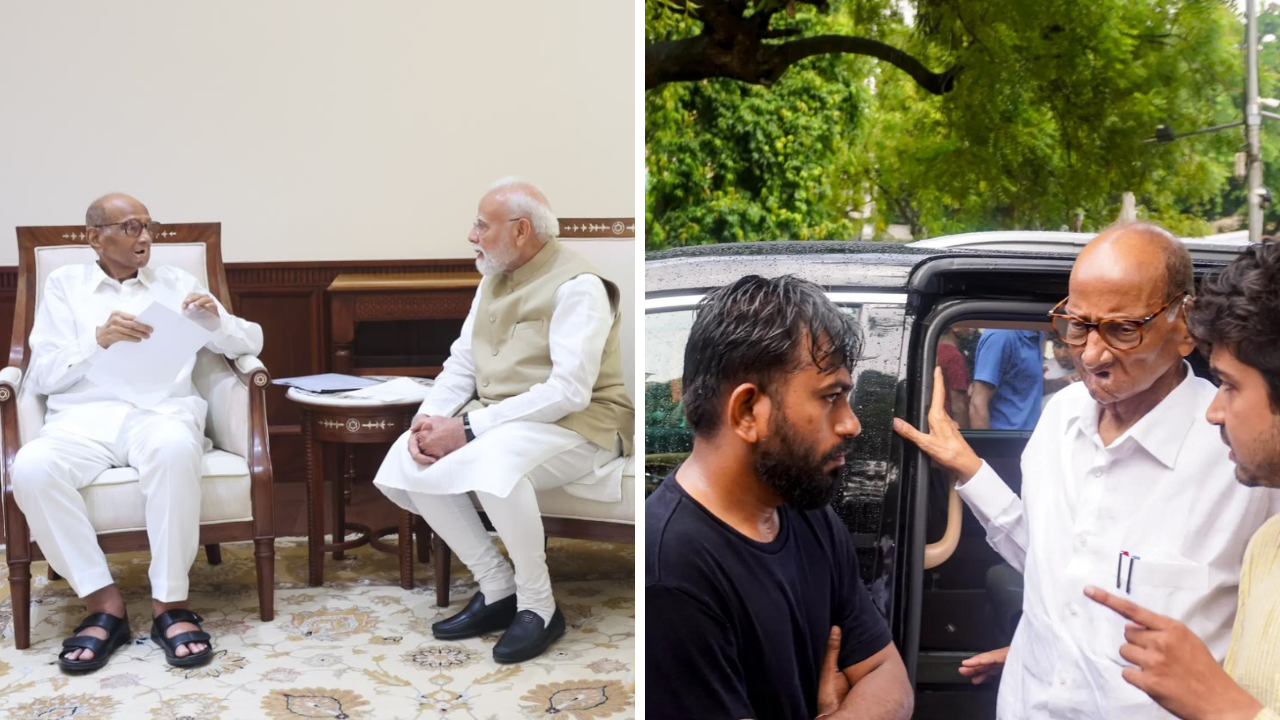
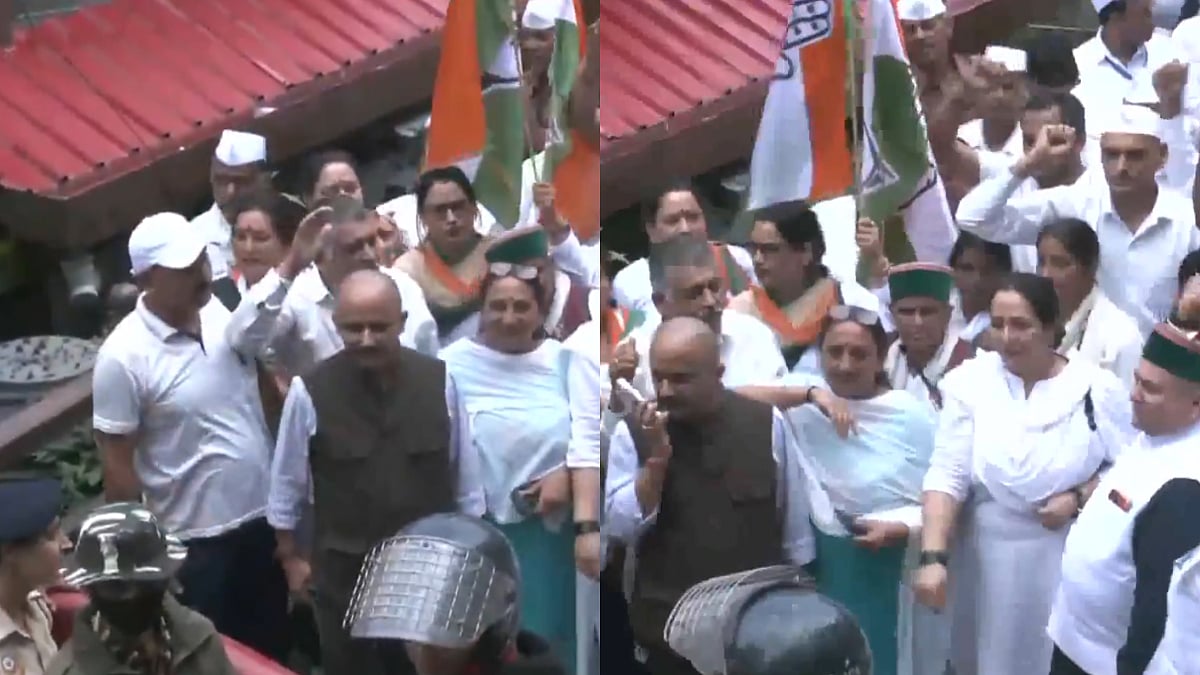
Sharad Pawar, the leader of the Nationalist Congress Party (NCP), met with Prime Minister Narendra Modi on Wednesday, a day after joining opposition demonstrations against the Delimitation Bill. This move has stirred up political rumors and speculation about Pawar's stance on the bill.
Pawar's daughter, Supriya Sule, has expressed conditional support for the bill, stating that it should propose seat increases across states evenly. This statement reflects Pawar's history of maintaining strategic ambiguity, allowing his party to remain adaptable in shifting political currents.
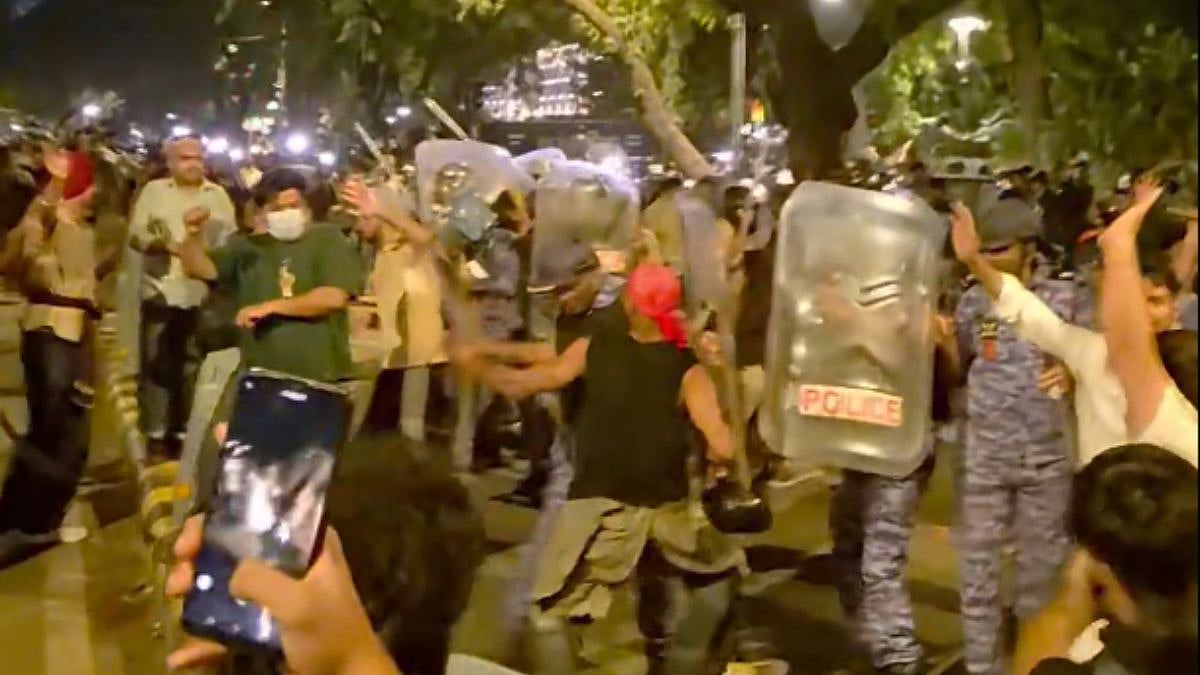
The Delimitation Bill aims to redraw the electoral boundaries of parliamentary and assembly constituencies. The opposition has been protesting against the bill, citing concerns over its potential impact on the electoral process.
Pawar's meeting with PM Modi has sparked speculation about his party's stance on the bill. While the NCP has not officially announced its support for the bill, Pawar's silence on the issue has led to rumors about his party's potential alliance with the ruling Bharatiya Janata Party (BJP).
The NCP has a history of maintaining good relations with the BJP, despite being a part of the opposition. Pawar's meeting with PM Modi is seen as an attempt to keep his options open and maintain a strategic distance from the opposition.
The Delimitation Bill is a crucial piece of legislation that has the potential to impact the electoral landscape of the country. The bill's passage could lead to significant changes in the way elections are conducted, and its impact could be felt for years to come.
Pawar's silence on the issue has sparked debate and speculation about his party's stance. As the bill makes its way through parliament, it remains to be seen how the NCP will ultimately vote.
In the context of Indian politics, Pawar's move is seen as a strategic attempt to maintain his party's relevance and influence. By keeping his options open, Pawar is able to navigate the complex web of alliances and rivalries that characterize Indian politics.
The outcome of the Delimitation Bill will have significant implications for the future of Indian politics. As the bill continues to make its way through parliament, it remains to be seen how the NCP will ultimately vote, and what impact Pawar's silence will have on the political landscape.
In conclusion, Sharad Pawar's meeting with PM Modi and his party's conditional support for the Delimitation Bill reflect his history of maintaining strategic ambiguity. As the bill continues to be debated, it remains to be seen how the NCP will ultimately vote, and what impact Pawar's silence will have on the political landscape of India.
Frequently asked questions
What is the Delimitation Bill about?
The Delimitation Bill aims to redraw the electoral boundaries of parliamentary and assembly constituencies.
Why is Sharad Pawar's silence on the Delimitation Bill significant?
Pawar's silence has sparked speculation about his party's stance on the bill and its potential alliance with the ruling BJP.