Woman Threatens PM Modi At CJP Protest
Protester calls for PM's assassination, lawyers explain potential legal consequences
'%3E%3Crect%20width%3D'96'%20height%3D'96'%20fill%3D'%231A5276'%2F%3E%3Ccircle%20cx%3D'30'%20cy%3D'24'%20r%3D'44'%20fill%3D'%23fff'%20opacity%3D'.12'%2F%3E%3Ccircle%20cx%3D'60'%20cy%3D'74'%20r%3D'40'%20fill%3D'%23000'%20opacity%3D'.10'%2F%3E%3C%2Fg%3E%3Cg%20fill%3D'%23fff'%3E%3Cpath%20d%3D'M31%2041%20L48%2031%20L65%2041%20Z'%2F%3E%3Crect%20x%3D'33'%20y%3D'43'%20width%3D'4'%20height%3D'17'%2F%3E%3Crect%20x%3D'41'%20y%3D'43'%20width%3D'4'%20height%3D'17'%2F%3E%3Crect%20x%3D'51'%20y%3D'43'%20width%3D'4'%20height%3D'17'%2F%3E%3Crect%20x%3D'59'%20y%3D'43'%20width%3D'4'%20height%3D'17'%2F%3E%3Crect%20x%3D'30'%20y%3D'62'%20width%3D'36'%20height%3D'4'%20rx%3D'1'%2F%3E%3C%2Fg%3E%3C%2Fsvg%3E)
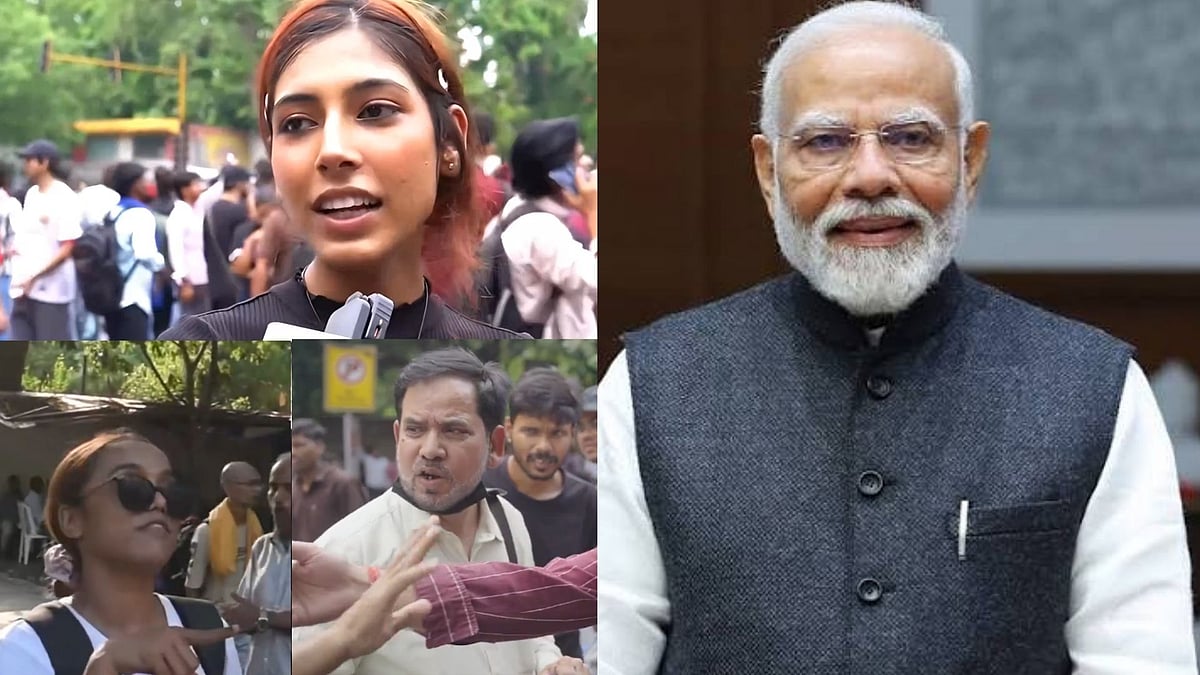
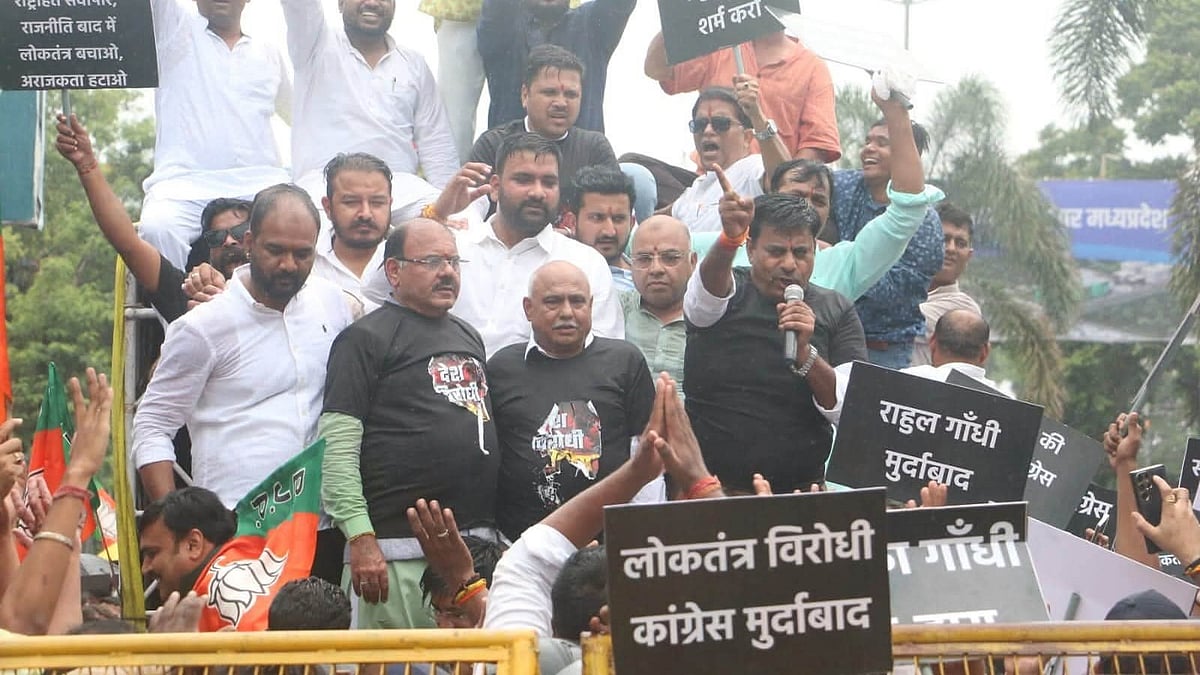
A protester at the ongoing CJP protest at Jantar Mantar was heard threatening Prime Minister Narendra Modi with grave harm. In a widely shared video, the woman allegedly said, 'Prime Minister Modi should be assassinated. If it were up to me, I would do it myself.'
Other videos from the protest site have also surfaced, featuring slogans such as 'Modi mar jaaye, Modi ko goli maaro, Modi-Shah gunde hai, inko gundai karke bhagao.' These statements have raised concerns about potential legal consequences under Indian law.
According to legal experts, such statements may attract provisions including Sections 153A and 153B of the Indian Penal Code (IPC), or their corresponding provisions under the Bharatiya Nyaya Sanhita (BNS). These provisions deal with promoting enmity, hatred, and acts prejudicial to maintaining public harmony.
Further, Section 505 of the IPC, or its corresponding BNS provisions, criminalises statements, rumours, or reports intended to incite public disorder or create public mischief. Calls advocating violence against a public official may also invite charges relating to criminal intimidation and other offences depending on the facts and circumstances of the case.
Advocate & Counsel Satyam Surana of the Bombay High Court stated that the investigation would consider whether the woman is linked to any particular organisation or if she is mentoring any other person.
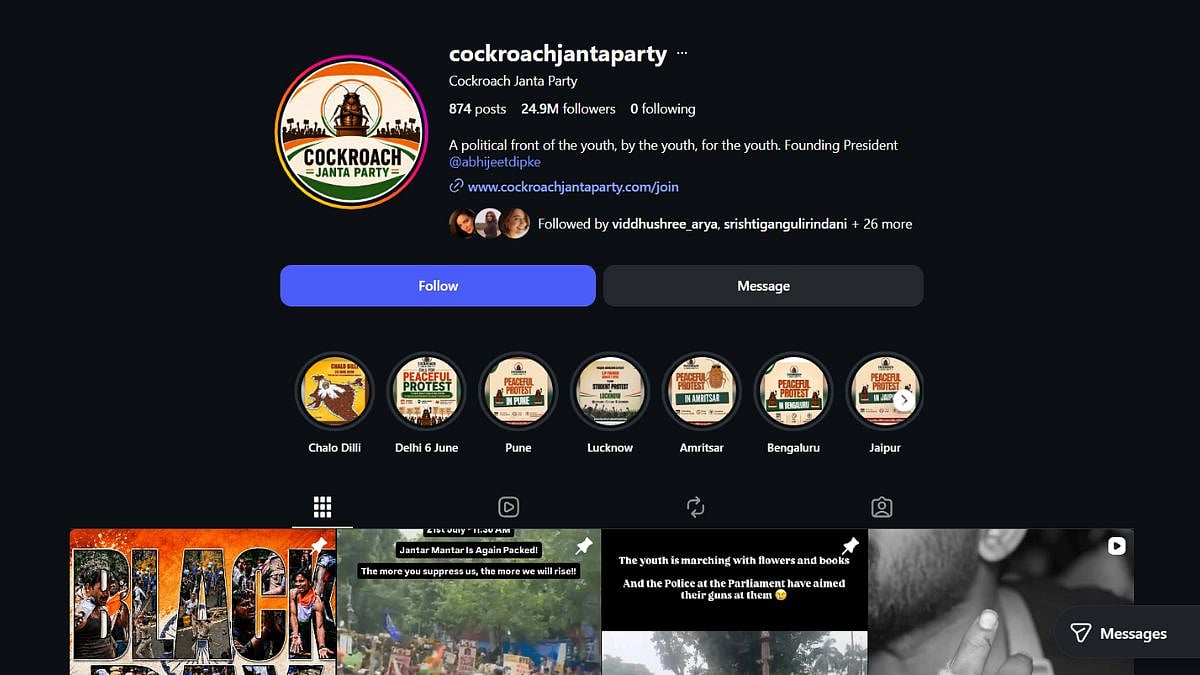
The CJP protest has been ongoing, with many students and protesters voicing their concerns and demanding action from the government. However, the inflammatory remarks and alleged calls for violence against the Prime Minister have drawn attention and raised questions about the potential legal implications.
The Indian government has been cracking down on hate speech and violence, and such statements may be considered a serious offense. The investigation into the matter is likely to consider all the facts and circumstances of the case.
In recent years, there have been several instances of protests and demonstrations turning violent, and the government has been taking steps to maintain public order and harmony. The CJP protest has been largely peaceful, but the inflammatory remarks and alleged calls for violence against the Prime Minister have raised concerns about the potential for violence.
The legal implications of such statements are serious, and the investigation is likely to consider all the facts and circumstances of the case. The government has been emphasizing the importance of maintaining public order and harmony, and such statements may be considered a threat to national security.
The CJP protest has brought attention to several important issues, and the government has been responding to the concerns raised by the protesters. However, the inflammatory remarks and alleged calls for violence against the Prime Minister have raised concerns about the potential for violence and the need for maintaining public order and harmony.
The situation is being closely monitored, and the investigation into the matter is ongoing. The government has been taking steps to maintain public order and harmony, and the legal implications of such statements are being considered.
In conclusion, the protester's threat to the Prime Minister has raised concerns about potential legal consequences and the need for maintaining public order and harmony. The investigation into the matter is ongoing, and the government has been emphasizing the importance of maintaining public order and harmony.
Frequently asked questions
What did the protester say about PM Modi?
The protester allegedly said, 'Prime Minister Modi should be assassinated. If it were up to me, I would do it myself.'
What are the potential legal consequences of the protester's statement?
The statement may attract provisions including Sections 153A and 153B of the Indian Penal Code (IPC), or their corresponding provisions under the Bharatiya Nyaya Sanhita (BNS).