Nifty and Sensex Move Differently, NSE Explains Reason
Nifty plunges 100 points, Sensex gains 166 points, NSE clarifies reason
'%3E%3Crect%20width%3D'96'%20height%3D'96'%20fill%3D'%230B6E4F'%2F%3E%3Ccircle%20cx%3D'30'%20cy%3D'24'%20r%3D'44'%20fill%3D'%23fff'%20opacity%3D'.12'%2F%3E%3Ccircle%20cx%3D'60'%20cy%3D'74'%20r%3D'40'%20fill%3D'%23000'%20opacity%3D'.10'%2F%3E%3C%2Fg%3E%3Cg%20fill%3D'none'%20stroke%3D'%23fff'%20stroke-width%3D'3.2'%20stroke-linecap%3D'round'%20stroke-linejoin%3D'round'%3E%3Cpolyline%20points%3D'31%2C59%2041%2C49%2049%2C54%2063%2C37'%2F%3E%3Cpolyline%20points%3D'55%2C37%2063%2C37%2063%2C45'%2F%3E%3C%2Fg%3E%3C%2Fsvg%3E)
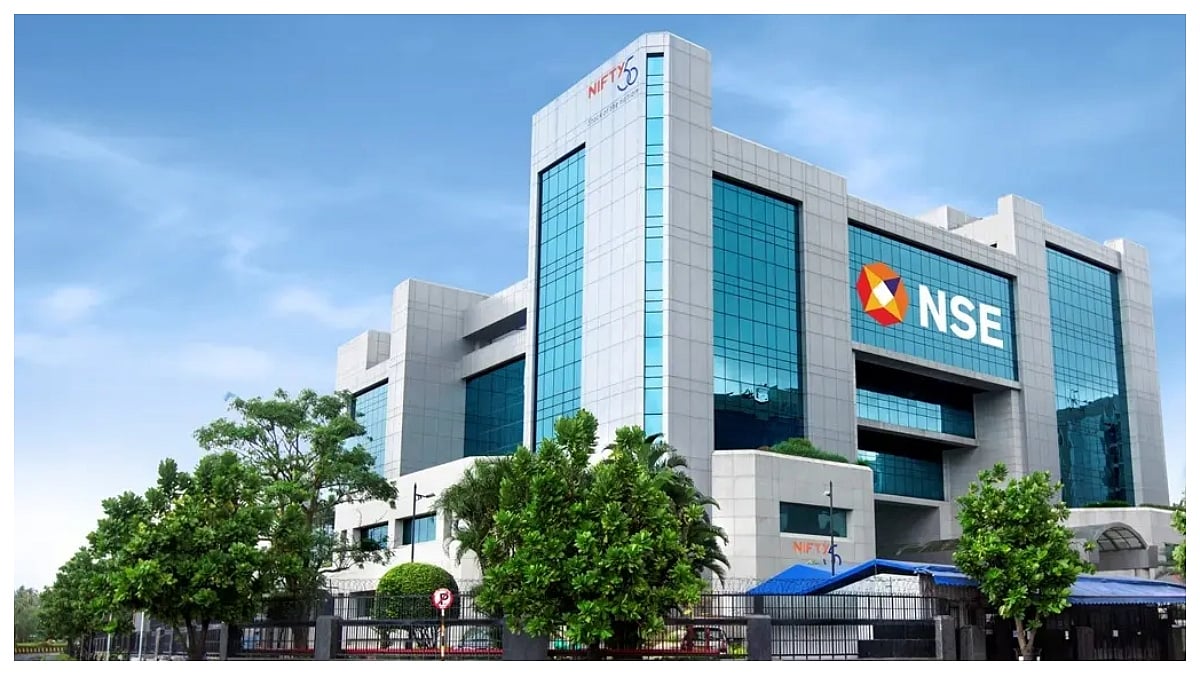
On Tuesday, investors were surprised to see the Nifty 50 and BSE Sensex moving in different directions. At 9:42 am, the Nifty fell 100 points to 24,460, while the Sensex gained 166.15 points to 78,805.18. By 2 pm, the Sensex was down 400 points, or 0.5 percent, while the Nifty had fallen 330 points, or 1.5 percent.
The National Stock Exchange (NSE) clarified that there was no market anomaly, but rather the new Closing Auction Session (CAS) introduced on August 3, 2026, was the reason for the unusual movement. The NSE explained that the Nifty and Sensex contain different companies and assign them different weights, which can cause changes in share prices to affect the two indices differently.
The CAS is a new system that decides the closing price of eligible derivative stocks through an auction. Buy and sell orders are collected, and the system identifies the price at which the largest number of trades can be completed. This becomes the equilibrium price and is used to determine the closing price.
The NSE CEO, Ashish Chauhan, has urged startups and SMEs to use IPOs for growth. However, options traders have been warned to be careful during the closing minutes of trading, as the timing difference between the CAS and derivatives trading can create a temporary gap between spot and futures prices.
The NSE said that the first CAS attracted 515 trading members and orders from 56,773 unique PANs. Retail investors have been advised not to panic over short-lived differences between the Nifty and Sensex. However, options traders should remain cautious during the closing minutes.
The introduction of the CAS is a significant change in the way the closing prices of stocks are determined. The system is designed to provide a more efficient and transparent way of determining closing prices, but it can also create temporary gaps between spot and futures prices.
The NSE has assured investors that the CAS is a normal part of the trading process and that there is no need to panic. However, options traders should be aware of the potential risks and take necessary precautions to manage their positions.
In conclusion, the unusual movement of the Nifty and Sensex on Tuesday was due to the new Closing Auction Session introduced by the NSE. While retail investors do not need to panic, options traders should remain cautious during the closing minutes of trading.
The introduction of the CAS is a significant development in the Indian stock market, and investors should be aware of its implications. The NSE has taken steps to ensure a smooth transition to the new system, and investors should continue to monitor the market closely.
The CAS is a positive step towards improving the efficiency and transparency of the Indian stock market. However, it is essential for investors to understand the system and its implications to make informed investment decisions.
The NSE has provided guidance to investors on how to navigate the CAS, and it is essential for investors to follow this guidance to avoid any potential risks. By understanding the CAS and its implications, investors can make informed investment decisions and navigate the Indian stock market with confidence.
In the end, the introduction of the CAS is a significant development in the Indian stock market, and investors should be aware of its implications. The NSE has taken steps to ensure a smooth transition to the new system, and investors should continue to monitor the market closely to make informed investment decisions.
Frequently asked questions
What is the Closing Auction Session (CAS)?
The CAS is a new system that decides the closing price of eligible derivative stocks through an auction.
Why did the Nifty and Sensex move differently on Tuesday?
The NSE explained that the new Closing Auction Session introduced on August 3, 2026, was the reason for the unusual movement.