Elon Musk: SpaceX Staff Data to Train Grok AI
SpaceX to use staff data for AI training, Musk calls employees 'parents'.
'%3E%3Crect%20width%3D'96'%20height%3D'96'%20fill%3D'%23B3261E'%2F%3E%3Ccircle%20cx%3D'30'%20cy%3D'24'%20r%3D'44'%20fill%3D'%23fff'%20opacity%3D'.12'%2F%3E%3Ccircle%20cx%3D'60'%20cy%3D'74'%20r%3D'40'%20fill%3D'%23000'%20opacity%3D'.10'%2F%3E%3C%2Fg%3E%3Cg%20fill%3D'%23fff'%3E%3Crect%20x%3D'29'%20y%3D'49'%20width%3D'8'%20height%3D'19'%20rx%3D'1'%2F%3E%3Crect%20x%3D'39'%20y%3D'40'%20width%3D'9'%20height%3D'28'%20rx%3D'1'%2F%3E%3Crect%20x%3D'50'%20y%3D'45'%20width%3D'8'%20height%3D'23'%20rx%3D'1'%2F%3E%3Crect%20x%3D'60'%20y%3D'53'%20width%3D'7'%20height%3D'15'%20rx%3D'1'%2F%3E%3Crect%20x%3D'41'%20y%3D'34'%20width%3D'5'%20height%3D'6'%2F%3E%3C%2Fg%3E%3C%2Fsvg%3E)
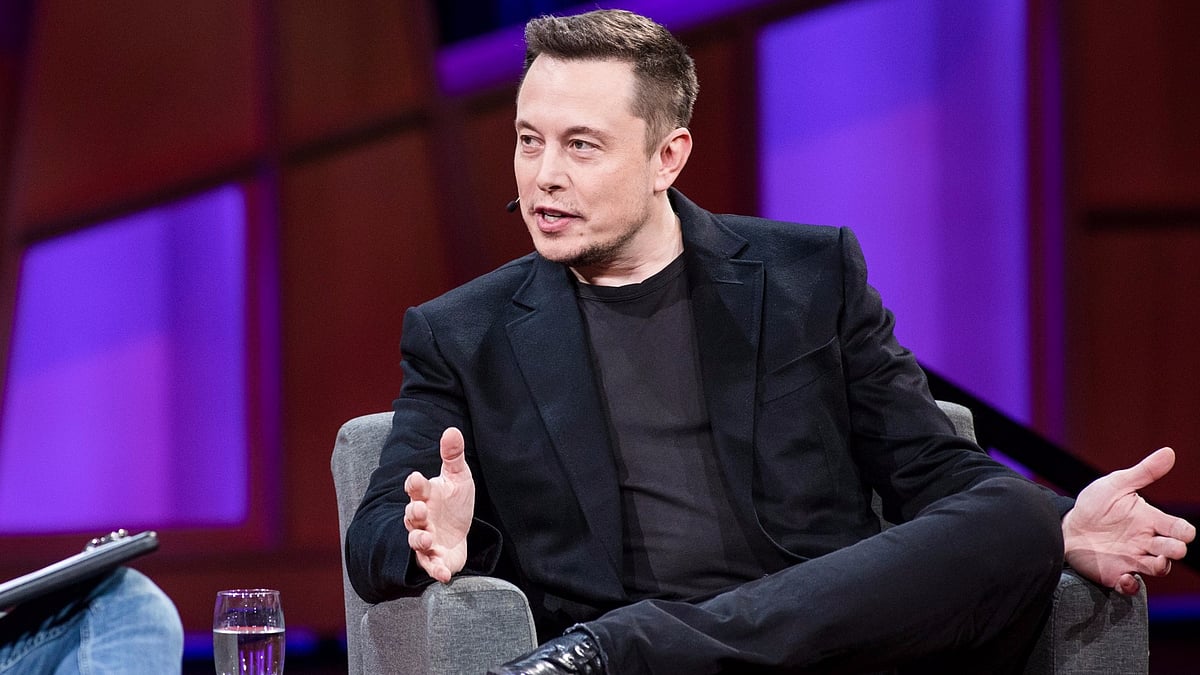
Elon Musk has announced that SpaceX will be training its Grok AI model on internal corporate data, including staff communications and workplace contributions. This move is aimed at instilling human-aligned values into future AI systems by drawing on data generated by SpaceX's aerospace workforce.
Musk made this announcement at a company-wide town hall, where he told employees that Grok would be trained on internal SpaceX data, saying 'In a way, it will be trained on you.' He added that employees should think of themselves as the AI's 'parents' and that the model would inherit their thoughts, ideas, and beliefs as a result.
The approach taken by SpaceX is similar to what Meta had imposed earlier on its staff, which had suffered major backlash due to privacy concerns. However, SpaceX has not specified which categories of internal communications, software logs, or employee metrics will be used to train Grok, nor has it outlined the privacy protocols that will govern the datasets.
This move is part of a broader push across large technology companies to tap workplace data for building AI agents capable of navigating desktop software, automating administrative tasks, and writing code without human input. With readily available training data from the internet being largely exhausted, AI companies are increasingly turning to data generated by employees and other real-world sources to improve how their models handle real-world tasks.
The push to use internal data for training coincides with SpaceX's wider expansion of its AI offerings, following the integration of xAI into the company. SpaceX recently launched Grok Bot, an autonomous agent capable of logging into web platforms, drafting emails, and generating software code independently. The company is also in the process of finalizing a reported $60 billion acquisition of AI coding platform Cursor, which is expected to close in the coming months.
At the town hall, Musk urged employees across departments to actively test and provide feedback on internal Grok tools. This move is seen as a significant step towards making life multiplanetary and understanding the true nature of the universe, as stated by Musk.
The use of internal data for AI training has raised concerns about employee privacy and data security. As AI companies continue to push the boundaries of what is possible with machine learning, it is essential to ensure that employee data is protected and used responsibly.
In conclusion, SpaceX's decision to train its Grok AI model on internal corporate data is a significant step towards developing more advanced AI systems. While there are concerns about employee privacy and data security, the potential benefits of this approach cannot be ignored. As the company continues to expand its AI offerings, it is essential to ensure that employee data is used responsibly and with the utmost care.
The implications of this move are far-reaching, and it will be interesting to see how it plays out in the coming months. With the acquisition of Cursor and the integration of xAI, SpaceX is poised to make significant strides in the field of AI. As Musk said, the next challenge is making life multiplanetary and understanding the true nature of the universe, and this move is a step towards achieving that goal.
In the end, the success of this approach will depend on the ability of SpaceX to balance the need for advanced AI systems with the need to protect employee privacy and data security. As the company continues to push the boundaries of what is possible with machine learning, it is essential to ensure that employee data is used responsibly and with the utmost care.
Frequently asked questions
What is Grok AI and how will it be trained?
Grok AI is a model developed by SpaceX, and it will be trained on internal corporate data, including staff communications and workplace contributions.
What are the potential concerns about using employee data for AI training?
The potential concerns include employee privacy and data security, as well as the potential for biased or inaccurate AI models.