MHADA Act Amended To Revive Old Building Redevelopment
Mumbai's old buildings to get new life, 13,000 set for redevelopment

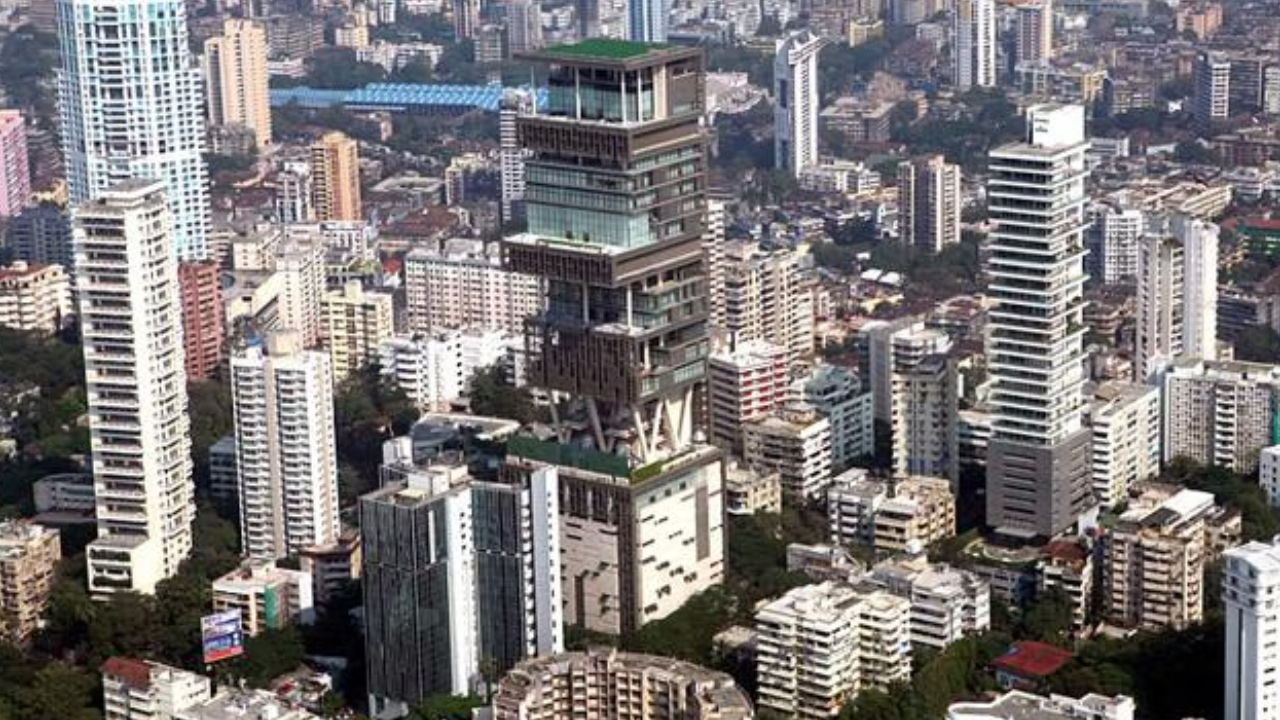
The Maharashtra legislature has passed an amendment to the MHADA Act, reviving Section 79A. This significant move aims to address the legal ambiguities that had previously stalled redevelopment efforts in the city.
The amendment is expected to bolster the state's case in the Supreme Court, particularly with regards to building safety. This is a crucial aspect, as thousands of families in Mumbai reside in old, dilapidated buildings that pose a significant risk to their safety.
The revival of Section 79A is a major step forward for the city's urban renewal initiatives. With over 13,000 old buildings in Mumbai slated for redevelopment, this amendment brings new hope for residents who have been living in precarious conditions.
The state government has been working to redevelop these old buildings, many of which are in a dangerous state of disrepair. The amendment to the MHADA Act is a key part of this effort, as it provides a clearer framework for redevelopment projects to move forward.
Mumbai's old buildings are not only a safety hazard, but they also pose a significant challenge to the city's infrastructure. Many of these buildings lack basic amenities, such as proper sanitation and water supply, and are often prone to collapses and other accidents.
The redevelopment of these buildings is expected to not only improve the living conditions of residents but also enhance the overall quality of life in the city. The state government's efforts to redevelop these old buildings are part of a broader initiative to upgrade Mumbai's infrastructure and make it a more livable city.
The amendment to the MHADA Act has been welcomed by residents and developers alike, as it provides a much-needed boost to the city's redevelopment efforts. With the legal ambiguities surrounding Section 79A now clarified, the stage is set for a major overhaul of Mumbai's old buildings.
The state government's commitment to redeveloping these buildings is a significant step towards creating a safer, more sustainable, and more livable city. As the redevelopment efforts gain momentum, residents can look forward to improved living conditions and a better quality of life.
In the broader context, the amendment to the MHADA Act is a significant development for Mumbai, as it has the potential to transform the city's landscape. With its rich history and cultural heritage, Mumbai is a city that is steeped in tradition, but it is also a city that is rapidly evolving. The redevelopment of its old buildings is a key part of this evolution, as it will help to create a more modern, more sustainable, and more livable city for generations to come.
The significance of this amendment cannot be overstated, as it has the potential to impact the lives of thousands of people in Mumbai. As the city continues to grow and evolve, it is essential that its infrastructure is upgraded to meet the needs of its residents. The redevelopment of old buildings is a critical part of this process, and the amendment to the MHADA Act is a major step forward in this regard.
In conclusion, the amendment to the MHADA Act is a significant development for Mumbai, as it has the potential to transform the city's landscape and improve the lives of its residents. With its commitment to redeveloping old buildings, the state government is taking a major step towards creating a safer, more sustainable, and more livable city for generations to come.