Abandoned Farm Turns Into Wildflower Meadow
A Norfolk farm field was left untouched for 15 years and transformed into a vibrant meadow. Researchers monitored its evolution, revealing the power of natural restoration.
'%3E%3Crect%20width%3D'96'%20height%3D'96'%20fill%3D'%23B3261E'%2F%3E%3Ccircle%20cx%3D'30'%20cy%3D'24'%20r%3D'44'%20fill%3D'%23fff'%20opacity%3D'.12'%2F%3E%3Ccircle%20cx%3D'60'%20cy%3D'74'%20r%3D'40'%20fill%3D'%23000'%20opacity%3D'.10'%2F%3E%3C%2Fg%3E%3Cg%20fill%3D'%23fff'%3E%3Crect%20x%3D'29'%20y%3D'49'%20width%3D'8'%20height%3D'19'%20rx%3D'1'%2F%3E%3Crect%20x%3D'39'%20y%3D'40'%20width%3D'9'%20height%3D'28'%20rx%3D'1'%2F%3E%3Crect%20x%3D'50'%20y%3D'45'%20width%3D'8'%20height%3D'23'%20rx%3D'1'%2F%3E%3Crect%20x%3D'60'%20y%3D'53'%20width%3D'7'%20height%3D'15'%20rx%3D'1'%2F%3E%3Crect%20x%3D'41'%20y%3D'34'%20width%3D'5'%20height%3D'6'%2F%3E%3C%2Fg%3E%3C%2Fsvg%3E)
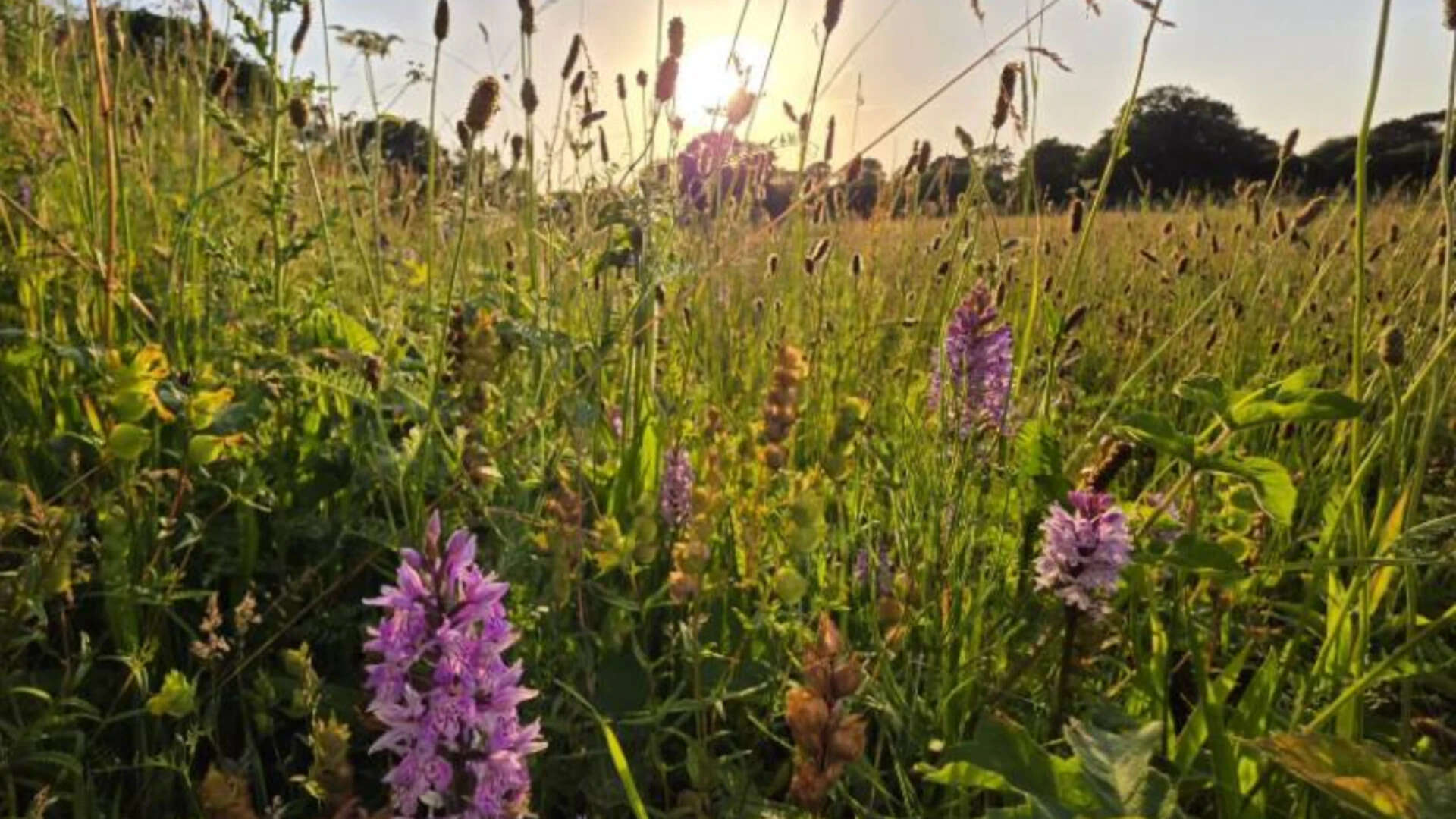
A remarkable transformation has taken place in a Norfolk farm field, which was left without crops for 15 years. The field, once abandoned, has evolved into a thriving wildflower meadow, demonstrating the potential of natural restoration techniques.
The transformation, which occurred over a decade, was monitored by researchers who were studying the field's evolution post-farming. The results were impressive, with a wide variety of plant species emerging in the area. This resurgence of plant life highlights the effectiveness of simple, natural restoration methods, which may be more successful than costly commercial approaches.
The researchers' findings emphasize the importance of patience in restoring ecosystems and reviving lost habitats. By allowing the field to return to its natural state, the researchers were able to observe the gradual reintroduction of native plant species. This approach not only restored the field's biodiversity but also created a vibrant and thriving ecosystem.
The transformation of the Norfolk farm field is a significant example of the potential for natural restoration. It demonstrates that, with time and patience, abandoned areas can be restored to their former glory, supporting a wide range of plant and animal life. This approach is not only beneficial for the environment but also cost-effective, as it eliminates the need for expensive commercial restoration methods.
The study's findings have important implications for conservation efforts and habitat restoration. They suggest that, in some cases, the most effective approach may be to simply allow nature to take its course. By giving areas time to recover and restore themselves, we may be able to achieve more successful and sustainable outcomes.
The Norfolk farm field's transformation is a testament to the power of nature and the importance of preserving and restoring natural habitats. As the world grapples with the challenges of environmental degradation and biodiversity loss, this study provides a valuable insight into the potential of natural restoration techniques.
The researchers' work serves as a reminder that restoring ecosystems and habitats is a long-term process that requires patience, dedication, and a willingness to allow nature to take its course. By adopting this approach, we may be able to achieve more effective and sustainable conservation outcomes, and help to preserve the natural world for future generations.
In conclusion, the transformation of the Norfolk farm field into a wildflower-rich meadow is a significant example of the potential for natural restoration. It highlights the importance of patience and the effectiveness of simple, natural restoration techniques, and provides valuable insights into the potential for conservation and habitat restoration.
The study's findings are likely to be of interest to conservationists, researchers, and policymakers, and may inform future approaches to habitat restoration and conservation. As the world continues to face the challenges of environmental degradation and biodiversity loss, the importance of preserving and restoring natural habitats has never been more pressing.