Jurassic Insects' Sounds Recreated by Scientists
Scientists use lasers and AI to recreate sounds of 9 Jurassic insects. Discover how they may have sounded 165 million years ago.
'%3E%3Crect%20width%3D'96'%20height%3D'96'%20fill%3D'%23B3261E'%2F%3E%3Ccircle%20cx%3D'30'%20cy%3D'24'%20r%3D'44'%20fill%3D'%23fff'%20opacity%3D'.12'%2F%3E%3Ccircle%20cx%3D'60'%20cy%3D'74'%20r%3D'40'%20fill%3D'%23000'%20opacity%3D'.10'%2F%3E%3C%2Fg%3E%3Cg%20fill%3D'%23fff'%3E%3Crect%20x%3D'29'%20y%3D'49'%20width%3D'8'%20height%3D'19'%20rx%3D'1'%2F%3E%3Crect%20x%3D'39'%20y%3D'40'%20width%3D'9'%20height%3D'28'%20rx%3D'1'%2F%3E%3Crect%20x%3D'50'%20y%3D'45'%20width%3D'8'%20height%3D'23'%20rx%3D'1'%2F%3E%3Crect%20x%3D'60'%20y%3D'53'%20width%3D'7'%20height%3D'15'%20rx%3D'1'%2F%3E%3Crect%20x%3D'41'%20y%3D'34'%20width%3D'5'%20height%3D'6'%2F%3E%3C%2Fg%3E%3C%2Fsvg%3E)
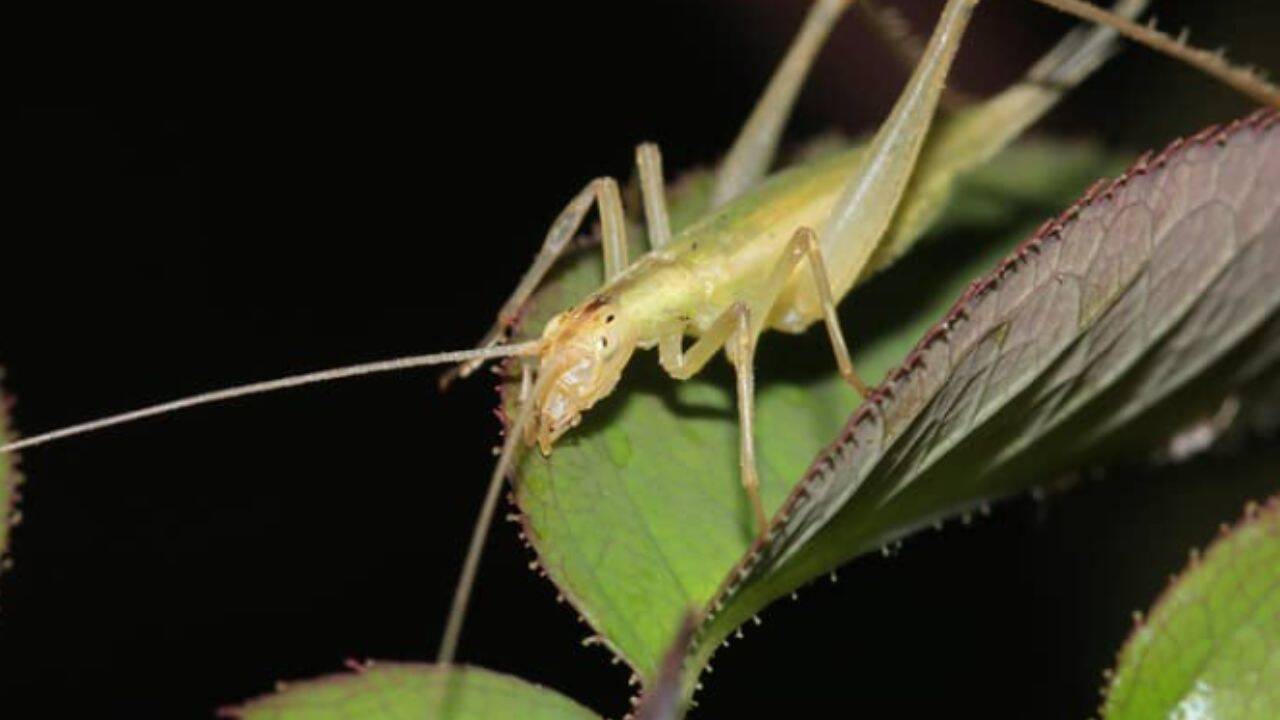
Scientists have made a groundbreaking discovery by recreating the calls of nine Jurassic insect species that lived 165 million years ago. This achievement was made possible through the use of fossilised wings, laser measurements, computer modelling, and artificial intelligence.
The research team used laser measurements to scan the fossilised wings of the Jurassic insects, which provided them with detailed information about the wing structure. This data was then used to create computer models that simulated the sound-producing capabilities of the insects.
The results of the study revealed that some insects made clear chirping sounds, similar to those produced by modern-day insects. However, one species was found to have produced ultrasonic calls that were above the human hearing range.
The use of AI played a crucial role in the study, as it enabled the researchers to analyse the complex data and simulate the sound-producing capabilities of the insects. The AI algorithm was able to learn from the data and make predictions about the sounds that the insects may have produced.
The discovery provides valuable insights into the evolution of insect communication and the sounds that they may have made during the Jurassic period. It also highlights the importance of interdisciplinary research, which combines techniques from biology, physics, and computer science to achieve innovative results.
The Jurassic period, which spanned from 200 to 145 million years ago, was a time of great diversity and complexity in the evolution of life on Earth. During this period, many species of insects evolved and developed unique characteristics, including their sound-producing capabilities.
The study of fossilised insects and their sound-producing capabilities can provide valuable information about the evolution of insect communication and the ecosystems in which they lived. It can also help scientists to better understand the diversity of life on Earth and how it has changed over time.
In conclusion, the recreation of the calls of Jurassic insects is a significant achievement that highlights the power of interdisciplinary research and the importance of studying the evolution of life on Earth. The use of lasers, computer modelling, and AI has enabled scientists to gain a deeper understanding of the sounds that insects may have made during the Jurassic period, and has provided valuable insights into the evolution of insect communication.
The discovery is not only significant for scientists but also for the general public, as it provides a unique glimpse into the past and the evolution of life on Earth. It also highlights the importance of continued research and innovation in the field of biology and computer science, and the potential for new discoveries that can help us to better understand the world around us.
The study's findings have the potential to inspire new areas of research and to advance our understanding of the evolution of life on Earth. It also demonstrates the potential for collaboration between scientists from different disciplines and the importance of using innovative techniques to achieve groundbreaking results.
In the future, scientists may use similar techniques to study the sound-producing capabilities of other ancient species, including dinosaurs and early mammals. This could provide valuable insights into the evolution of communication and the ecosystems in which these species lived.
The recreation of the calls of Jurassic insects is a significant achievement that has the potential to inspire new areas of research and to advance our understanding of the evolution of life on Earth. It highlights the importance of interdisciplinary research and the potential for innovation and discovery in the field of biology and computer science.