US Sees Spread of Flesh-Eating New World Screwworm Parasite
A dangerous parasite spreads north, scientists research attractants. Foul smells may help detection.
'%3E%3Crect%20width%3D'96'%20height%3D'96'%20fill%3D'%23B3261E'%2F%3E%3Ccircle%20cx%3D'30'%20cy%3D'24'%20r%3D'44'%20fill%3D'%23fff'%20opacity%3D'.12'%2F%3E%3Ccircle%20cx%3D'60'%20cy%3D'74'%20r%3D'40'%20fill%3D'%23000'%20opacity%3D'.10'%2F%3E%3C%2Fg%3E%3Cg%20fill%3D'%23fff'%3E%3Crect%20x%3D'29'%20y%3D'49'%20width%3D'8'%20height%3D'19'%20rx%3D'1'%2F%3E%3Crect%20x%3D'39'%20y%3D'40'%20width%3D'9'%20height%3D'28'%20rx%3D'1'%2F%3E%3Crect%20x%3D'50'%20y%3D'45'%20width%3D'8'%20height%3D'23'%20rx%3D'1'%2F%3E%3Crect%20x%3D'60'%20y%3D'53'%20width%3D'7'%20height%3D'15'%20rx%3D'1'%2F%3E%3Crect%20x%3D'41'%20y%3D'34'%20width%3D'5'%20height%3D'6'%2F%3E%3C%2Fg%3E%3C%2Fsvg%3E)
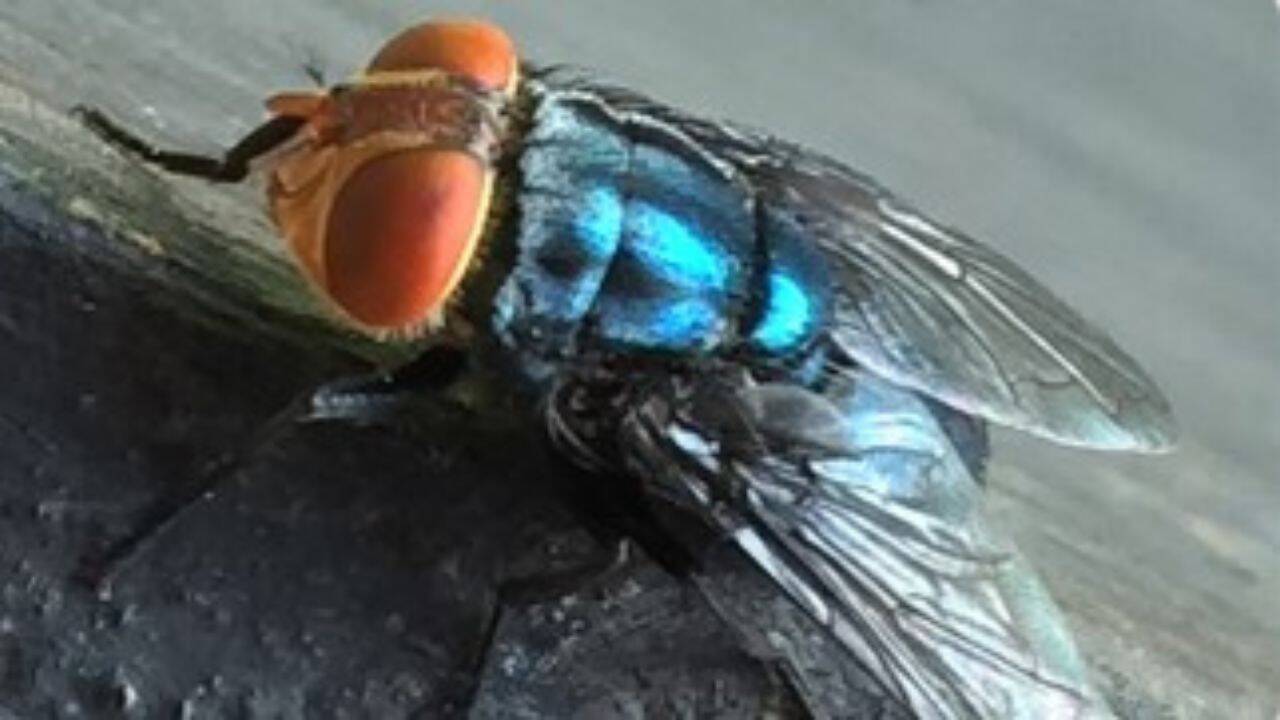
The New World screwworm, a flesh-eating fly, is spreading north into the US, prompting urgent research into its specific attractants. This parasite lays eggs in open wounds, feeding on living animal flesh, and its spread has raised concerns among scientists and animal health experts.
The New World screwworm is a significant threat to animal health, particularly in livestock and wildlife. Its eggs hatch into larvae that feed on the flesh of living animals, causing severe wounds and potentially life-threatening infections.
Scientists are currently investigating the use of foul-smelling chemical signals to lure the New World screwworm into traps. Current traps attract related flies, making detection of the dangerous species difficult. Understanding the parasite's preferred odors could lead to better detection and control methods.
The New World screwworm was previously found in the southern US, but its spread north has raised concerns about the potential impact on animal health. Researchers are working to develop more effective traps and control methods to prevent the spread of the parasite.
The use of specific odors to attract the New World screwworm could be a key factor in detecting and controlling its spread. By understanding the parasite's preferred attractants, scientists may be able to develop more targeted and effective control methods.
The spread of the New World screwworm has significant implications for animal health and the livestock industry. As researchers continue to study the parasite and its attractants, they hope to develop more effective methods for detecting and controlling its spread.
In the context of the US, the spread of the New World screwworm is a concern for animal health experts and livestock owners. The parasite's ability to cause severe wounds and life-threatening infections makes it a significant threat to animal health.
The research into the New World screwworm's attractants is ongoing, and scientists are hopeful that they will be able to develop more effective control methods in the near future. As the parasite continues to spread north, the need for effective detection and control methods becomes increasingly urgent.
The significance of this research lies in its potential to improve animal health and prevent the spread of the New World screwworm. By understanding the parasite's preferred odors and developing more targeted control methods, scientists may be able to reduce the impact of the parasite on animal health and the livestock industry.
Frequently asked questions
What is the New World screwworm?
The New World screwworm is a flesh-eating fly that lays eggs in open wounds, feeding on living animal flesh.
Why is the New World screwworm a concern?
The New World screwworm is a significant threat to animal health, causing severe wounds and potentially life-threatening infections.