Gall Flies Linked to Hantavirus in Mice
Gall flies introduced to control invasive weeds have led to a surge in deer mouse populations and hantavirus spread. This unexpected ecological chain reaction has significant implications.
'%3E%3Crect%20width%3D'96'%20height%3D'96'%20fill%3D'%23B3261E'%2F%3E%3Ccircle%20cx%3D'30'%20cy%3D'24'%20r%3D'44'%20fill%3D'%23fff'%20opacity%3D'.12'%2F%3E%3Ccircle%20cx%3D'60'%20cy%3D'74'%20r%3D'40'%20fill%3D'%23000'%20opacity%3D'.10'%2F%3E%3C%2Fg%3E%3Cg%20fill%3D'%23fff'%3E%3Crect%20x%3D'29'%20y%3D'49'%20width%3D'8'%20height%3D'19'%20rx%3D'1'%2F%3E%3Crect%20x%3D'39'%20y%3D'40'%20width%3D'9'%20height%3D'28'%20rx%3D'1'%2F%3E%3Crect%20x%3D'50'%20y%3D'45'%20width%3D'8'%20height%3D'23'%20rx%3D'1'%2F%3E%3Crect%20x%3D'60'%20y%3D'53'%20width%3D'7'%20height%3D'15'%20rx%3D'1'%2F%3E%3Crect%20x%3D'41'%20y%3D'34'%20width%3D'5'%20height%3D'6'%2F%3E%3C%2Fg%3E%3C%2Fsvg%3E)
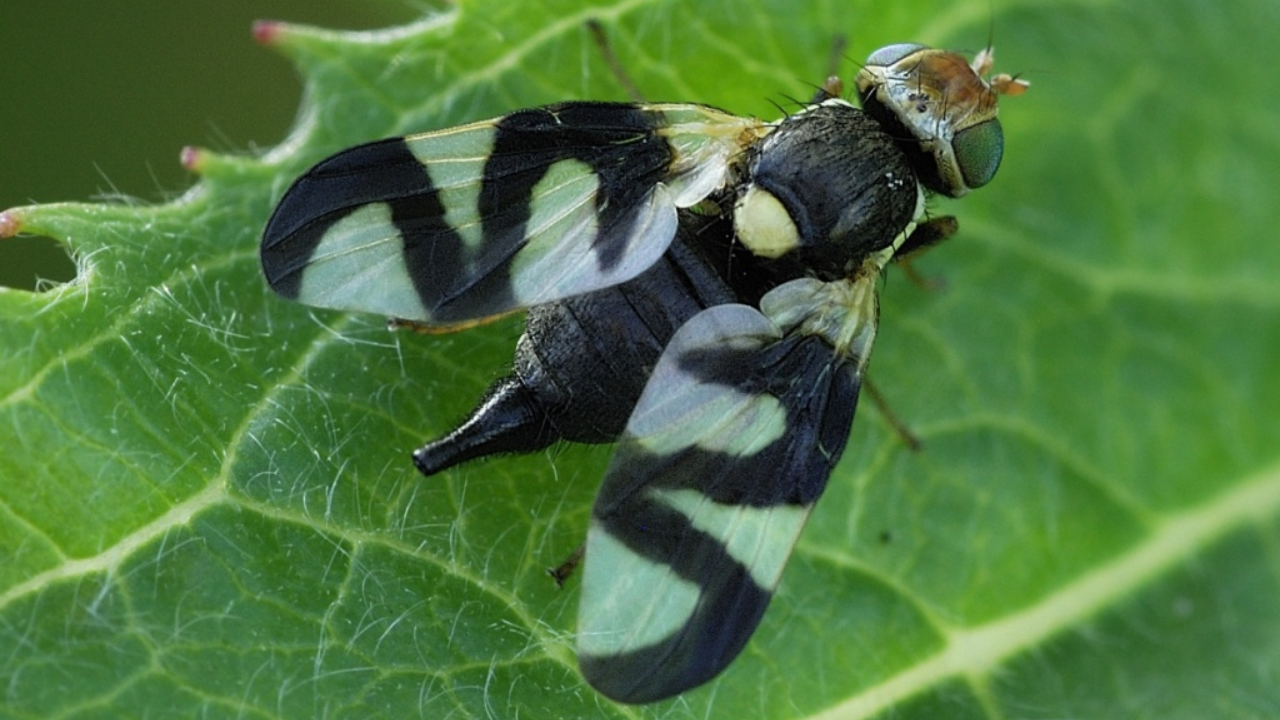
A recent study has found that the introduction of gall flies as a biological control measure for invasive spotted knapweed has had an unexpected consequence. The gall flies, which were intended to control the spread of the invasive weed, have become a vital winter food source for deer mice. As a result, the population of deer mice has surged, leading to an increase in the spread of hantavirus.
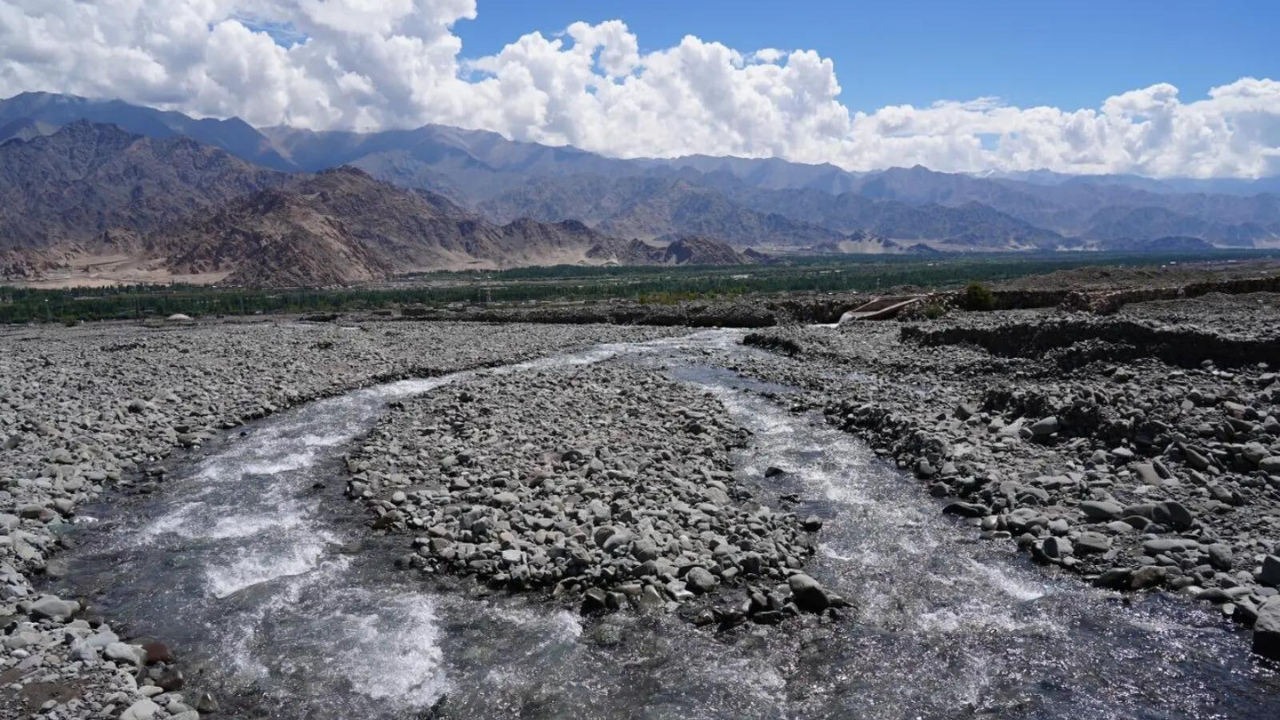
The study found that areas with high densities of knapweed reported more hantavirus-positive mice than those with native grasslands. This suggests that the introduction of gall flies has disrupted the local ecosystem, leading to an increase in the population of deer mice and the subsequent spread of hantavirus.
The use of biological control measures to manage invasive species is a common practice, but it can have unintended consequences. In this case, the introduction of gall flies has led to a surge in the population of deer mice, which are the primary carriers of hantavirus.
Hantavirus is a serious disease that can be transmitted to humans through contact with infected mice or their droppings. The increase in the population of deer mice and the subsequent spread of hantavirus poses a significant risk to human health.
The study highlights the need for careful consideration and planning when introducing biological control measures to manage invasive species. It is essential to assess the potential risks and consequences of such measures to avoid disrupting the local ecosystem and posing a risk to human health.
The findings of the study have significant implications for the management of invasive species and the control of hantavirus. It is crucial to develop strategies that balance the need to control invasive species with the need to protect human health and the environment.
In conclusion, the introduction of gall flies as a biological control measure for invasive spotted knapweed has led to an unexpected ecological chain reaction, resulting in a surge in the population of deer mice and the spread of hantavirus. This highlights the need for careful consideration and planning when introducing biological control measures to manage invasive species.
Frequently asked questions
What is the link between gall flies and hantavirus?
Gall flies have become a vital winter food source for deer mice, leading to a surge in their population and an increase in hantavirus spread.
What are the implications of the study's findings?
The study highlights the need for careful consideration and planning when introducing biological control measures to manage invasive species, to avoid disrupting the local ecosystem and posing a risk to human health.