Native Grass Reveals Secret to Climate Resilience
Ancient Aboriginal grain holds key to future crops. Channel millet thrives in extreme conditions.
'%3E%3Crect%20width%3D'96'%20height%3D'96'%20fill%3D'%23B3261E'%2F%3E%3Ccircle%20cx%3D'30'%20cy%3D'24'%20r%3D'44'%20fill%3D'%23fff'%20opacity%3D'.12'%2F%3E%3Ccircle%20cx%3D'60'%20cy%3D'74'%20r%3D'40'%20fill%3D'%23000'%20opacity%3D'.10'%2F%3E%3C%2Fg%3E%3Cg%20fill%3D'%23fff'%3E%3Crect%20x%3D'29'%20y%3D'49'%20width%3D'8'%20height%3D'19'%20rx%3D'1'%2F%3E%3Crect%20x%3D'39'%20y%3D'40'%20width%3D'9'%20height%3D'28'%20rx%3D'1'%2F%3E%3Crect%20x%3D'50'%20y%3D'45'%20width%3D'8'%20height%3D'23'%20rx%3D'1'%2F%3E%3Crect%20x%3D'60'%20y%3D'53'%20width%3D'7'%20height%3D'15'%20rx%3D'1'%2F%3E%3Crect%20x%3D'41'%20y%3D'34'%20width%3D'5'%20height%3D'6'%2F%3E%3C%2Fg%3E%3C%2Fsvg%3E)
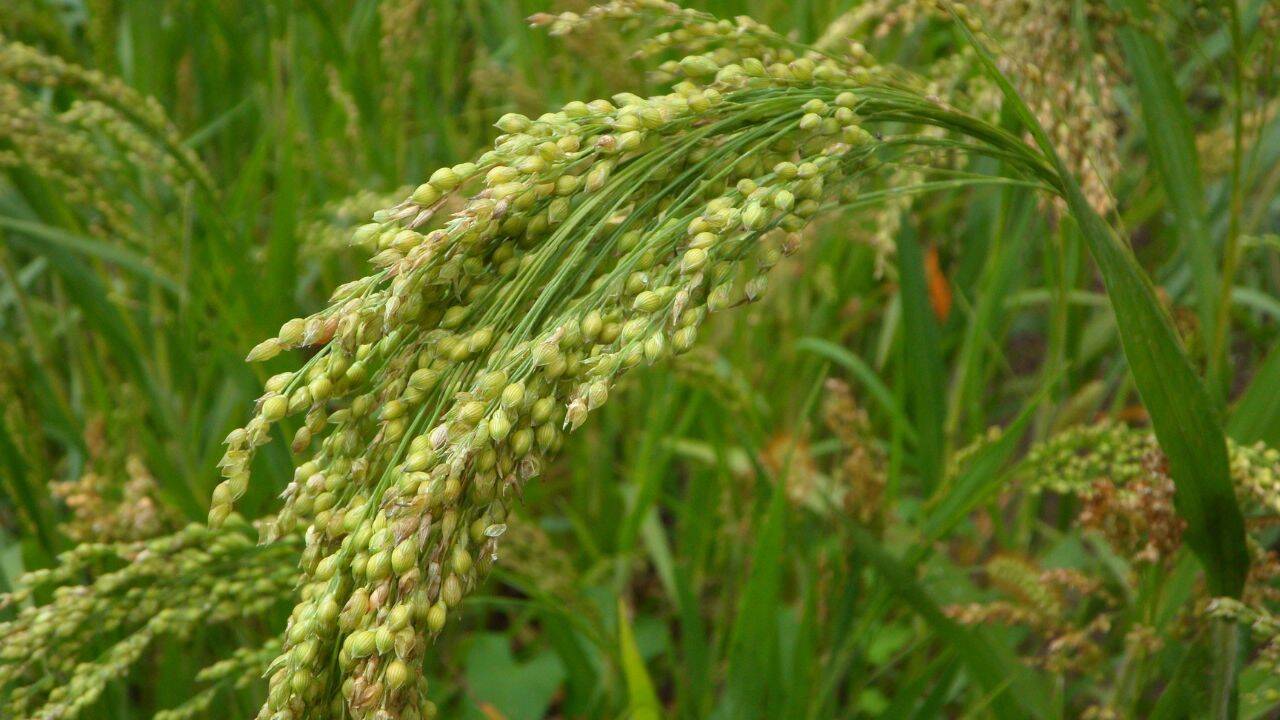
Channel millet, a native Australian grass, has been found to possess a unique genetic trait, with twelve copies of its chromosomes. This characteristic is often linked to domestication, and yet, the Channel millet remains a wild grass. For millennia, the Mithaka people have utilized this grain, demonstrating a sophisticated understanding of the ecological balance of the Channel Country, a region known for its extreme boom-and-bust cycles.
The Mithaka people's traditional practices have played a significant role in shaping the native grains of the region, including the Channel millet. Their knowledge of the land and its rhythms has allowed them to thrive in harmony with the environment. The Channel millet's ability to survive and even flourish in the harsh conditions of the Channel Country is a testament to the resilience of this desert plant.
The genetic makeup of the Channel millet suggests that it has evolved to be highly adaptable, with the ability to withstand extreme temperatures, drought, and flooding. This resilience is likely due to the plant's unique chromosome structure, which allows it to respond quickly to changing environmental conditions. The discovery of this trait has significant implications for the development of future climate-resilient crops.
As the world grapples with the challenges of climate change, the need for resilient and adaptable crops has never been more pressing. The Channel millet's unique genetic makeup offers a potential solution to this problem, and researchers are eager to explore its possibilities. By studying the genetic traits of this ancient grain, scientists hope to unlock the secrets of its resilience and develop new crops that can thrive in a rapidly changing world.
The Mithaka people's traditional knowledge and practices have been instrumental in preserving the genetic diversity of the Channel millet. Their sophisticated understanding of the ecological balance of the Channel Country has allowed them to maintain a delicate harmony between the land and its inhabitants. As the world looks to the future, the importance of preserving and learning from traditional knowledge cannot be overstated.
In conclusion, the discovery of the Channel millet's unique genetic trait is a significant breakthrough in the quest for climate-resilient crops. The plant's ability to thrive in extreme conditions, combined with its rich cultural heritage, makes it an important area of study for researchers and scientists. As we move forward, it is essential that we continue to learn from and preserve traditional knowledge, such as that of the Mithaka people, in order to develop sustainable and resilient food systems for the future.
The potential of the Channel millet to inform the development of future crops is vast, and its study is likely to have far-reaching implications for the way we approach food production in a changing world. By embracing the traditional knowledge and practices of indigenous communities, such as the Mithaka people, we can work towards creating a more sustainable and resilient food system, one that is better equipped to withstand the challenges of climate change.
The Channel millet's story is a powerful reminder of the importance of preserving and learning from traditional knowledge. As we look to the future, it is essential that we continue to support and recognize the contributions of indigenous communities, such as the Mithaka people, in order to develop a more sustainable and resilient world.
The discovery of the Channel millet's unique genetic trait is a significant step forward in the quest for climate-resilient crops, and its study is likely to have a lasting impact on the way we approach food production in the future. The plant's ability to thrive in extreme conditions, combined with its rich cultural heritage, makes it an important area of study for researchers and scientists, and its potential to inform the development of future crops is vast.
In the end, the Channel millet's story is one of hope and resilience, a reminder of the power of traditional knowledge and the importance of preserving and learning from the past. As we move forward, it is essential that we continue to support and recognize the contributions of indigenous communities, such as the Mithaka people, in order to develop a more sustainable and resilient world.
The significance of the Channel millet's discovery extends beyond the scientific community, as it has the potential to impact the way we approach food production and sustainability in the future. The plant's unique genetic trait, combined with its rich cultural heritage, makes it an important symbol of the power of traditional knowledge and the importance of preserving and learning from the past.
As the world continues to grapple with the challenges of climate change, the discovery of the Channel millet's unique genetic trait is a timely reminder of the importance of preserving and learning from traditional knowledge. The plant's ability to thrive in extreme conditions, combined with its rich cultural heritage, makes it an important area of study for researchers and scientists, and its potential to inform the development of future crops is vast.
In conclusion, the Channel millet's story is a powerful reminder of the importance of preserving and learning from traditional knowledge. The plant's unique genetic trait, combined with its rich cultural heritage, makes it an important symbol of the power of traditional knowledge and the importance of preserving and learning from the past. As we move forward, it is essential that we continue to support and recognize the contributions of indigenous communities, such as the Mithaka people, in order to develop a more sustainable and resilient world.
What it means for the future of food production is that the Channel millet's unique genetic trait has the potential to inform the development of climate-resilient crops, which could help to ensure global food security in the face of climate change. The plant's ability to thrive in extreme conditions, combined with its rich cultural heritage, makes it an important area of study for researchers and scientists, and its potential to impact the way we approach food production and sustainability in the future is vast.
Frequently asked questions
What is Channel millet and where is it found?
Channel millet is a native Australian grass found in the Channel Country, a region known for its extreme boom-and-bust cycles.
What makes Channel millet unique?
Channel millet has twelve copies of its chromosomes, a trait linked to domestication, and its genetic makeup suggests resilience to extreme environmental conditions.