Parliament Passes Mines And Minerals Amendment Bill 2026
New law to boost mineral exploration and development. Key changes to mining leases and captive mines.
'%3E%3Crect%20width%3D'96'%20height%3D'96'%20fill%3D'%231A5276'%2F%3E%3Ccircle%20cx%3D'30'%20cy%3D'24'%20r%3D'44'%20fill%3D'%23fff'%20opacity%3D'.12'%2F%3E%3Ccircle%20cx%3D'60'%20cy%3D'74'%20r%3D'40'%20fill%3D'%23000'%20opacity%3D'.10'%2F%3E%3C%2Fg%3E%3Cg%20fill%3D'%23fff'%3E%3Cpath%20d%3D'M31%2041%20L48%2031%20L65%2041%20Z'%2F%3E%3Crect%20x%3D'33'%20y%3D'43'%20width%3D'4'%20height%3D'17'%2F%3E%3Crect%20x%3D'41'%20y%3D'43'%20width%3D'4'%20height%3D'17'%2F%3E%3Crect%20x%3D'51'%20y%3D'43'%20width%3D'4'%20height%3D'17'%2F%3E%3Crect%20x%3D'59'%20y%3D'43'%20width%3D'4'%20height%3D'17'%2F%3E%3Crect%20x%3D'30'%20y%3D'62'%20width%3D'36'%20height%3D'4'%20rx%3D'1'%2F%3E%3C%2Fg%3E%3C%2Fsvg%3E)
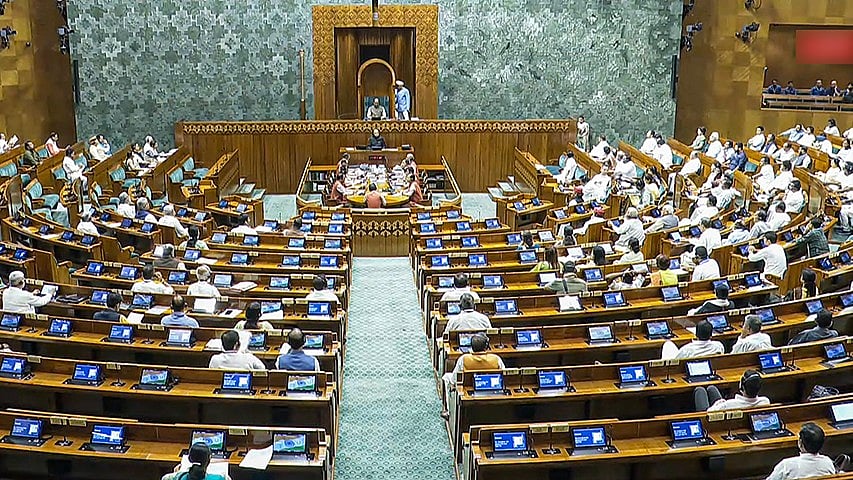
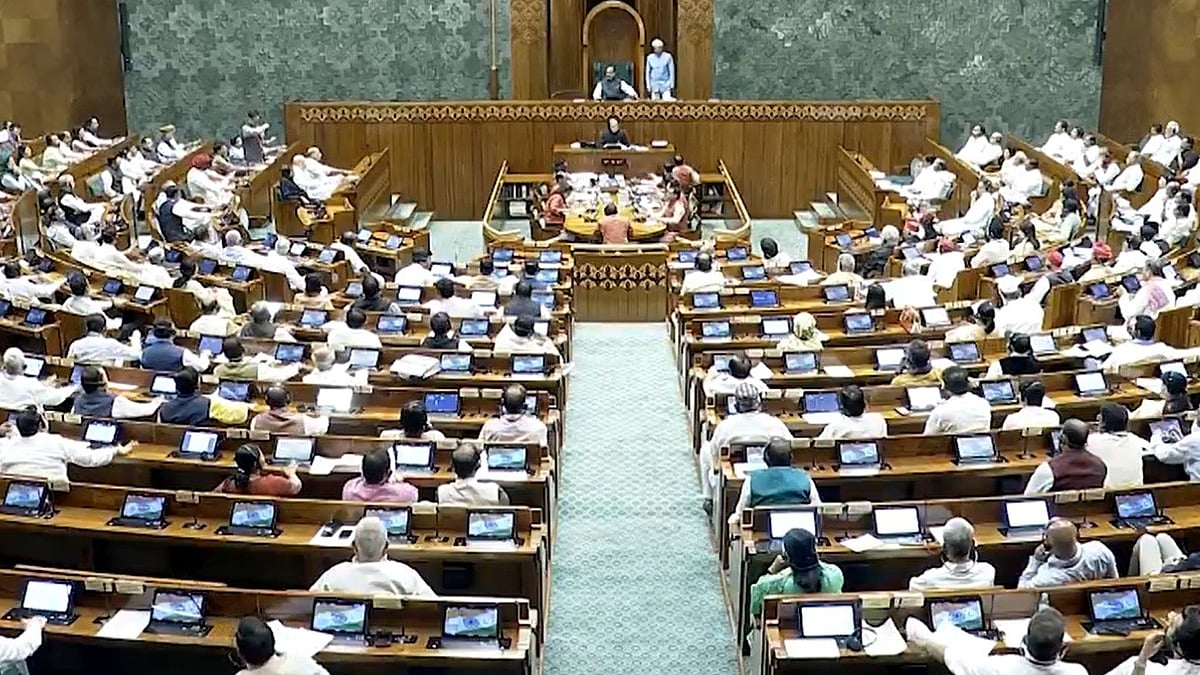
Parliament has passed the Mines and Minerals (Development and Regulation) Amendment Bill, 2026, which aims to promote mineral exploration and development in the country. The bill, approved by the Rajya Sabha on Thursday, will come into effect after receiving the President's assent.
The amendment to the Mines and Minerals (Development and Regulation) Act, 1957, allows holders of mining leases to add other minerals to their existing leases with state government approval. No additional payment will be required for adding critical and strategic minerals such as lithium, graphite, nickel, cobalt, gold, and silver. However, for other minerals, lease holders will have to pay an amount equivalent to the applicable royalty.
The legislation also permits minor minerals, including sand, gravel, and building stones, to be added to leases for major minerals, with states determining the applicable royalty and other payments. Additionally, captive mines will get greater flexibility to sell their output, with the removal of the existing 50% ceiling on sales.
State governments will also be able to permit the sale of mineral dumps accumulated within leased areas up to a date specified by the Centre. The National Mineral Exploration Trust will be expanded to fund not only exploration but also mineral and mine development, and will be renamed the National Mineral Exploration and Development Trust.
For deep-seated minerals located more than 200 metres underground, lease areas can be expanded once by up to 30% for composite licences and 10% for mining leases. The bill also proposes an authority to register and regulate mineral exchanges, defined as electronic platforms for trading minerals and metals.
The amendment is expected to boost the mining sector and promote the development of critical and strategic minerals. It will also provide greater flexibility to mining lease holders and captive mines, allowing them to commercialize their mineral output more effectively.
The mining sector is a significant contributor to the country's economy, and the new law is expected to have a positive impact on the sector. The government has been working to promote mineral exploration and development, and the amendment is a step in this direction.
The bill has been welcomed by the mining industry, which expects it to bring in more investment and create new opportunities for growth. However, some experts have raised concerns about the potential environmental impact of the amendment, and the need for stricter regulations to ensure sustainable mining practices.
Overall, the Mines and Minerals (Development and Regulation) Amendment Bill, 2026, is a significant development for the mining sector, and is expected to have a positive impact on the country's economy.
The new law will provide a boost to the mining sector and is expected to promote the development of critical and strategic minerals. It will also provide greater flexibility to mining lease holders and captive mines, allowing them to commercialize their mineral output more effectively.
In terms of significance, the amendment is a major step forward for the mining sector, and is expected to have a positive impact on the country's economy. It will provide greater flexibility to mining lease holders and captive mines, and will promote the development of critical and strategic minerals.
The amendment will also lead to an increase in investment in the mining sector, and will create new opportunities for growth. However, it is also important to ensure that the mining sector is regulated effectively, to prevent environmental damage and ensure sustainable mining practices.
In conclusion, the Mines and Minerals (Development and Regulation) Amendment Bill, 2026, is a significant development for the mining sector, and is expected to have a positive impact on the country's economy. It will provide greater flexibility to mining lease holders and captive mines, and will promote the development of critical and strategic minerals.
The government's efforts to promote mineral exploration and development are expected to pay off, and the amendment is a major step forward in this direction. The mining sector is expected to see significant growth in the coming years, and the amendment will play a major role in this growth.
The amendment is also expected to lead to an increase in employment opportunities in the mining sector, and will contribute to the country's economic growth. Overall, the Mines and Minerals (Development and Regulation) Amendment Bill, 2026, is a significant development for the mining sector, and is expected to have a positive impact on the country's economy.
Frequently asked questions
What is the Mines and Minerals Amendment Bill 2026
The Mines and Minerals Amendment Bill 2026 is a legislation that aims to promote mineral exploration and development in the country.
What are the key changes in the bill
The bill allows holders of mining leases to add other minerals to their existing leases with state government approval, and provides greater flexibility to captive mines to sell their output.