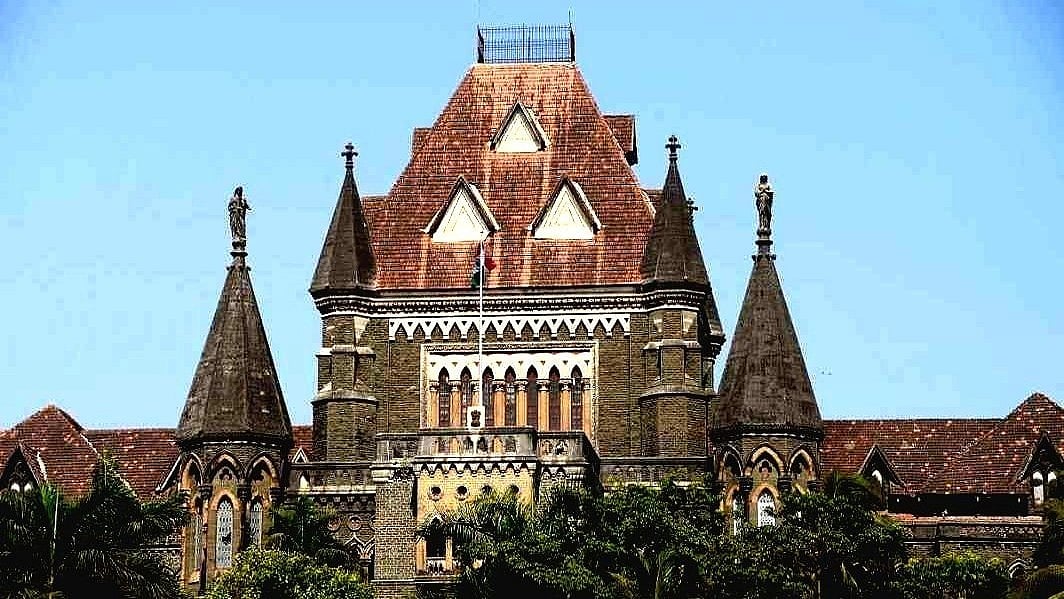
Bombay HC Commutes Death Sentence In Nashik Murder Case
Two men's death sentences commuted to life imprisonment, court cites scope for reform.

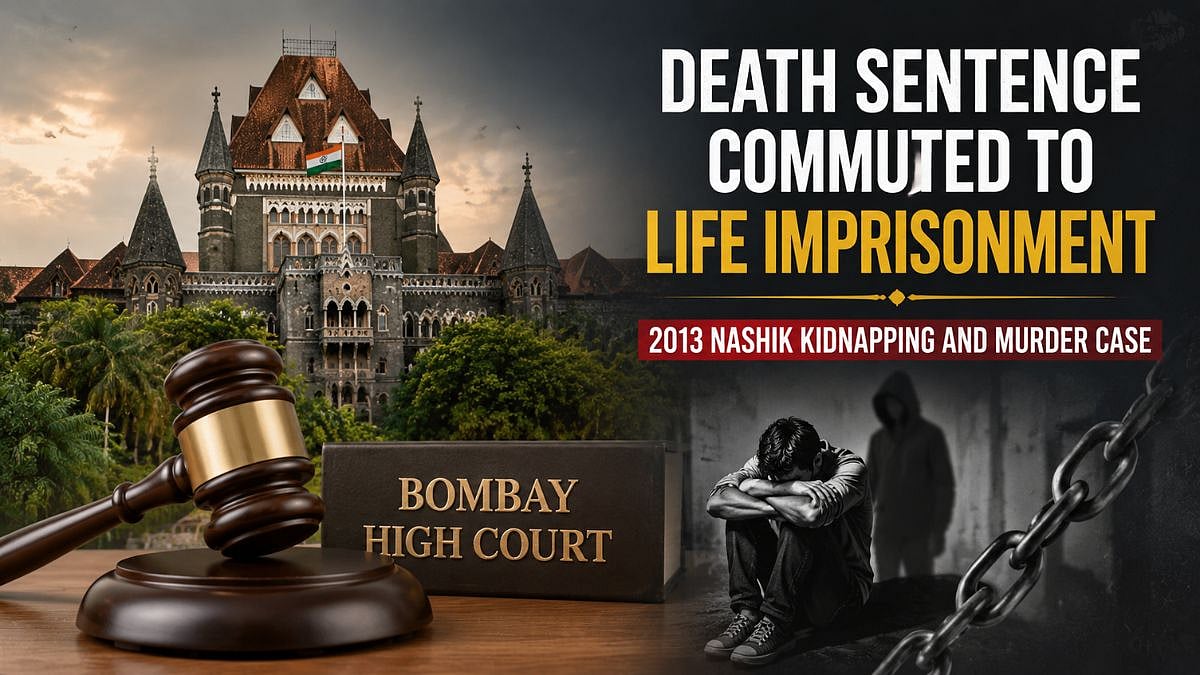
The Bombay High Court has commuted the death sentence of two men, Chetan Yashwantrao Pagare and Aman Prakatsingh Jat, to life imprisonment in a 2013 Nashik kidnapping and murder case. The court observed that the crime, although brutal and premeditated, did not fall within the 'rarest of rare' category.
The case involved the kidnapping and murder of a college student, Vipin Bafna, for ransom. The accused, who were 25 and 22 years old at the time of the offence, were driven by the desire to become wealthy through illegal means.
A bench of Justices Bharati Dangre and Manjusha Deshpande upheld the conviction of the accused but modified the sentence imposed by the trial court. The court noted that the accused were not professional killers but were lured by the temptation of wealth.
The judges observed that the murder was 'abhorrent' and involved multiple injuries and disposal of the body at an isolated place. However, they said that this alone was not sufficient to categorize the case as 'rarest of rare' for the imposition of the death sentence.
The court also took note of the fact that the accused had not been convicted in any previous criminal cases. The judges said that the accused were 'typical of young men, being impulsive' and decided to eliminate the victim when the ransom calls failed.
The bench described the kidnapping, confinement, and murder of Bafna as a 'preplanned and concerted effort' and said that the crime was 'inhuman, cruel, and ruthless', deserving a stern punishment. However, they said that the imposition of the death sentence was not justified in this case.
The prosecution had established an unbroken chain of circumstantial evidence, including witness testimony, recoveries, forensic evidence, call detail records, and video recordings recovered during the investigation, proving the guilt of the accused beyond reasonable doubt.
The court accordingly dismissed the convicts' appeals against their conviction and allowed their appeals on sentence, commuting the death penalty to imprisonment for life. The court also disposed of the State's confirmation case seeking confirmation of the death sentence.
The Bombay High Court's decision highlights the importance of considering the scope for reform when imposing sentences. The court's observation that the accused were young and impulsive, and not professional killers, suggests that they may be capable of reform.
The case also raises questions about the use of the death penalty in India. The 'rarest of rare' category is a guideline used by courts to determine whether a case warrants the imposition of the death sentence. However, the application of this guideline can be subjective and may vary from case to case.
In recent years, there have been debates about the effectiveness of the death penalty as a deterrent to crime. Some argue that it is a necessary measure to prevent heinous crimes, while others believe that it is a violation of human rights.
The Bombay High Court's decision in this case is a significant one, as it highlights the need for a nuanced approach to sentencing. The court's consideration of the accused's age, impulsiveness, and lack of previous convictions suggests that they may be capable of reform, and that a life sentence may be a more appropriate punishment.
The case will likely have implications for future cases involving similar circumstances. It may also contribute to the ongoing debate about the use of the death penalty in India, and the need for a more nuanced approach to sentencing.
In conclusion, the Bombay High Court's decision to commute the death sentence of two men in a Nashik kidnapping and murder case is a significant one. The court's consideration of the scope for reform and the accused's circumstances highlights the need for a nuanced approach to sentencing, and raises important questions about the use of the death penalty in India.
The decision is also a reminder that the justice system should prioritize rehabilitation and reform, rather than simply punishing offenders. By considering the accused's age, impulsiveness, and lack of previous convictions, the court has taken a step towards creating a more just and equitable justice system.
The case will likely be closely watched by legal experts and human rights activists, who will be interested in the implications of the decision for future cases. It may also contribute to a wider debate about the use of the death penalty in India, and the need for a more nuanced approach to sentencing.
Ultimately, the Bombay High Court's decision is a reminder that the justice system should prioritize justice, equity, and rehabilitation, rather than simply punishing offenders. By taking a nuanced approach to sentencing, the court has set an important precedent for future cases, and has highlighted the need for a more just and equitable justice system.