Amit Shah Promises Uniform Civil Code in NDA States by 2029
Amit Shah vows to implement Uniform Civil Code, big change ahead
'%3E%3Crect%20width%3D'96'%20height%3D'96'%20fill%3D'%231A5276'%2F%3E%3Ccircle%20cx%3D'30'%20cy%3D'24'%20r%3D'44'%20fill%3D'%23fff'%20opacity%3D'.12'%2F%3E%3Ccircle%20cx%3D'60'%20cy%3D'74'%20r%3D'40'%20fill%3D'%23000'%20opacity%3D'.10'%2F%3E%3C%2Fg%3E%3Cg%20fill%3D'%23fff'%3E%3Cpath%20d%3D'M31%2041%20L48%2031%20L65%2041%20Z'%2F%3E%3Crect%20x%3D'33'%20y%3D'43'%20width%3D'4'%20height%3D'17'%2F%3E%3Crect%20x%3D'41'%20y%3D'43'%20width%3D'4'%20height%3D'17'%2F%3E%3Crect%20x%3D'51'%20y%3D'43'%20width%3D'4'%20height%3D'17'%2F%3E%3Crect%20x%3D'59'%20y%3D'43'%20width%3D'4'%20height%3D'17'%2F%3E%3Crect%20x%3D'30'%20y%3D'62'%20width%3D'36'%20height%3D'4'%20rx%3D'1'%2F%3E%3C%2Fg%3E%3C%2Fsvg%3E)
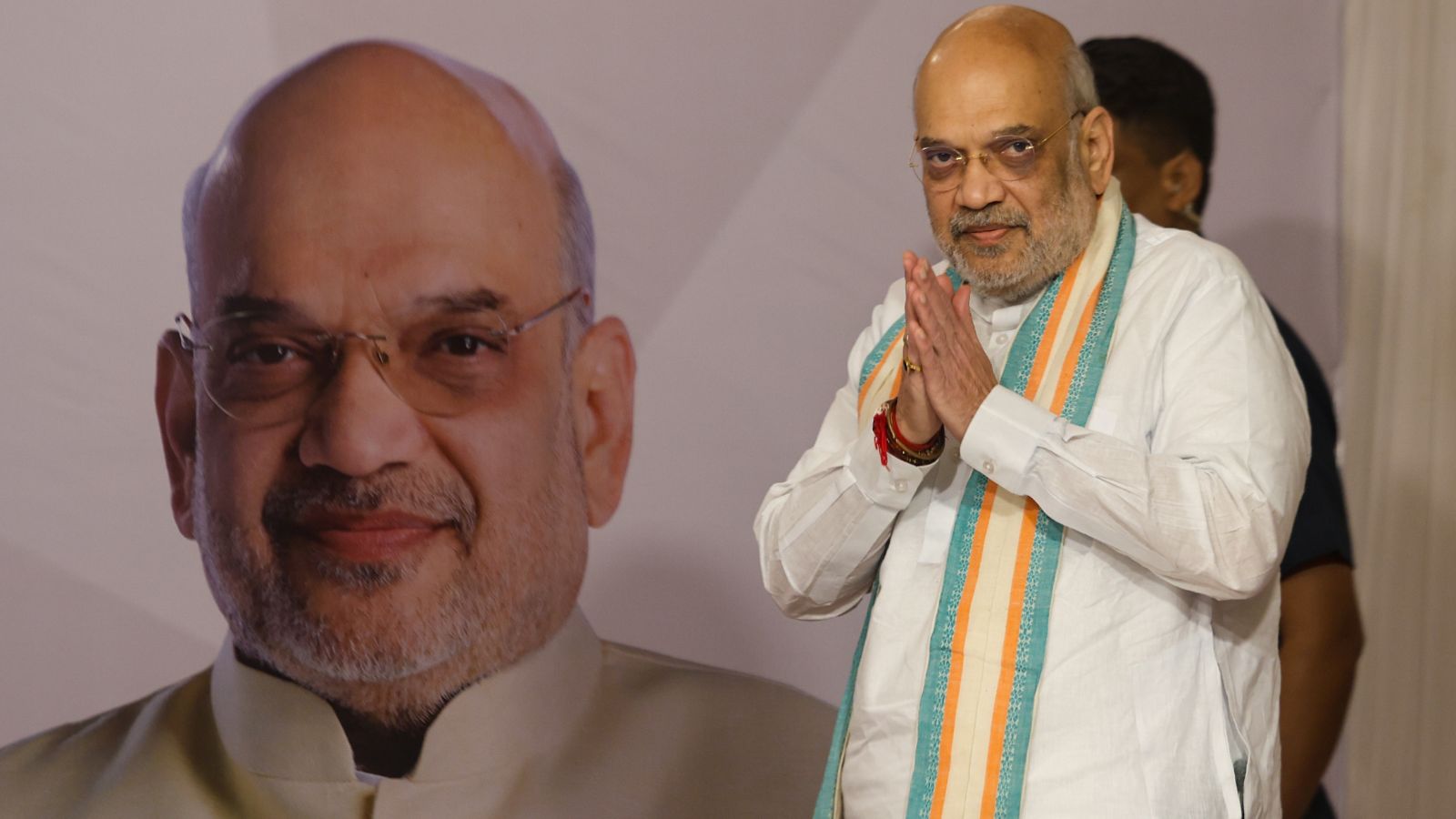
Amit Shah, a key leader of the National Democratic Alliance (NDA), has announced plans to introduce a Uniform Civil Code in all NDA-ruled states before the 2029 Lok Sabha polls. This move is expected to bring about significant changes to the country's legal framework.
The Uniform Civil Code aims to provide a common set of laws governing personal matters, such as marriage, inheritance, and divorce, for all citizens, regardless of their religion. Currently, different religious communities in India are governed by their own personal laws.
Amit Shah's statement highlights the NDA's commitment to implementing this code, which has been a long-standing demand of the Bharatiya Janata Party (BJP). The move is seen as an attempt to promote unity and equality among all citizens, and to reduce the complexities and inconsistencies that arise from having multiple personal laws.
The introduction of the Uniform Civil Code will require significant legislative and administrative efforts. It will involve consultations with various stakeholders, including religious leaders, lawyers, and civil society organizations. The NDA government will need to balance the competing demands and interests of different groups while drafting and implementing the code.
The Uniform Civil Code has been a topic of debate in India for several decades. While some argue that it is essential for promoting national integration and equality, others claim that it could infringe upon the rights of minority communities. The NDA government's decision to implement the code in all NDA-ruled states is likely to spark a renewed debate on this issue.
The implementation of the Uniform Civil Code will have significant implications for the country's legal and social landscape. It will require a concerted effort from the government, civil society, and the judiciary to ensure that the code is implemented in a fair and equitable manner.
In the context of Indian politics, the introduction of the Uniform Civil Code is seen as a key aspect of the NDA's agenda. The BJP has long been advocating for the implementation of this code, and Amit Shah's statement is seen as a reaffirmation of this commitment.
The success of the Uniform Civil Code will depend on the ability of the NDA government to build consensus and address the concerns of various stakeholders. It will also require significant resources and efforts to implement the code effectively.
In conclusion, the introduction of the Uniform Civil Code in all NDA-ruled states before the 2029 Lok Sabha polls is a significant development in Indian politics. It has the potential to bring about major changes to the country's legal framework and promote unity and equality among all citizens. However, it also poses significant challenges, and the NDA government will need to navigate these complexities carefully to ensure the successful implementation of the code.
Frequently asked questions
What is the Uniform Civil Code?
The Uniform Civil Code is a set of laws that aims to provide a common framework for personal matters, such as marriage, inheritance, and divorce, for all citizens, regardless of their religion.
Why is the Uniform Civil Code being introduced?
The Uniform Civil Code is being introduced to promote unity and equality among all citizens, and to reduce the complexities and inconsistencies that arise from having multiple personal laws.