Nanded Receives 52% of Annual Rainfall
Nanded faces potential water crisis, August-September rainfall crucial
'%3E%3Crect%20width%3D'96'%20height%3D'96'%20fill%3D'%23B3261E'%2F%3E%3Ccircle%20cx%3D'30'%20cy%3D'24'%20r%3D'44'%20fill%3D'%23fff'%20opacity%3D'.12'%2F%3E%3Ccircle%20cx%3D'60'%20cy%3D'74'%20r%3D'40'%20fill%3D'%23000'%20opacity%3D'.10'%2F%3E%3C%2Fg%3E%3Cg%20fill%3D'%23fff'%3E%3Crect%20x%3D'29'%20y%3D'49'%20width%3D'8'%20height%3D'19'%20rx%3D'1'%2F%3E%3Crect%20x%3D'39'%20y%3D'40'%20width%3D'9'%20height%3D'28'%20rx%3D'1'%2F%3E%3Crect%20x%3D'50'%20y%3D'45'%20width%3D'8'%20height%3D'23'%20rx%3D'1'%2F%3E%3Crect%20x%3D'60'%20y%3D'53'%20width%3D'7'%20height%3D'15'%20rx%3D'1'%2F%3E%3Crect%20x%3D'41'%20y%3D'34'%20width%3D'5'%20height%3D'6'%2F%3E%3C%2Fg%3E%3C%2Fsvg%3E)
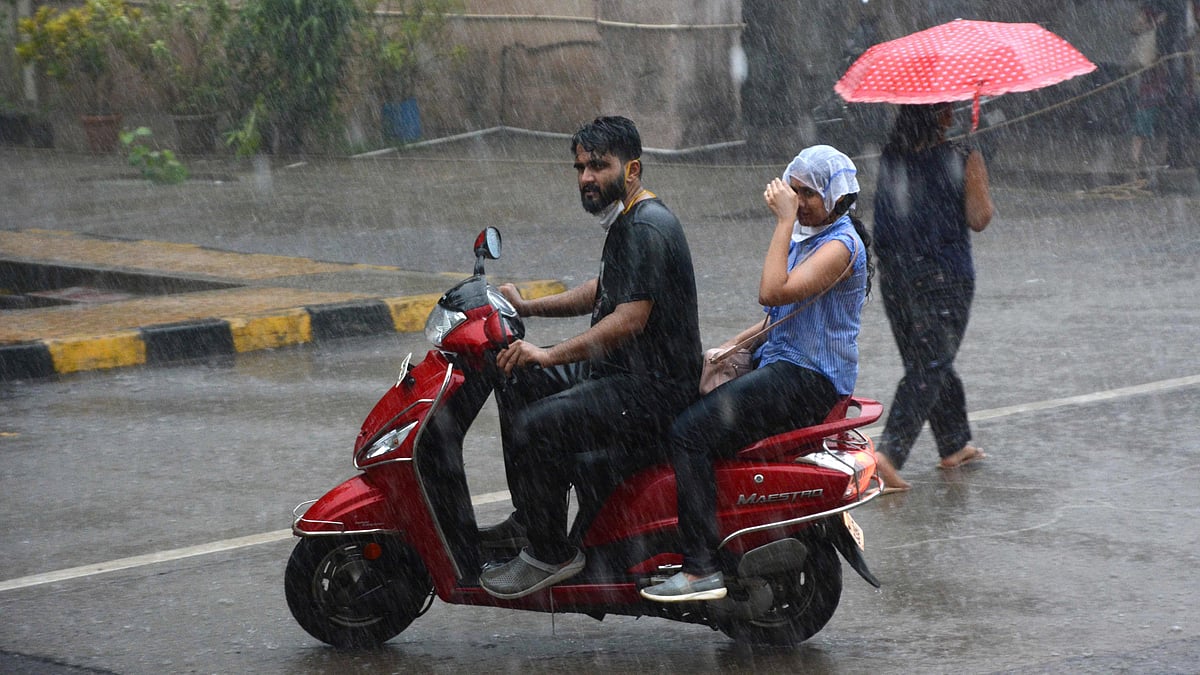
Nanded district has received only 52.15% of its annual average rainfall so far, despite rainfall occurring across five Nakshatras. The district's annual average rainfall has declined from 955 mm to 891 mm over the last two decades.
By August 10, the district had received 96.93% of the rainfall expected for the period, around 3% below normal. However, the rainfall and current water reserves may not be sufficient to meet the district’s requirements over the next 10 months.
Three tehsils, namely Biloli, Hadgaon and Bhokar, have received less than 50% of their annual average rainfall. In contrast, Kinwat, Mudkhed and Mahur have recorded more than 60% of their annual rainfall.
The Vishnupuri Dam, with a storage capacity of 2 TMC, is nearly full, holding 95.20% of its capacity. The Barul (Lower Manar) Dam currently holds 57.93%, while Limboti (Upper Manar) Dam holds 36.54%. The Jayakwadi Dam is also full.
The outlook for the coming year will largely depend on whether rainfall reaches average levels by the end of October. A forecast of below-average rainfall had been made at the beginning of the year, with the impact of El Niño now becoming evident.
Rainfall spells have been prolonged, but the number of rainy days has been erratic. The district has received 64 mm more rainfall than during the corresponding period last year. However, last year, rainfall intensified after August 10, with torrential downpours beginning a day before Independence Day and triggering severe flooding.
All eyes are now on rainfall during the remaining days of August and throughout September. If rainfall fails to reach average levels by the end of October, the district could face a water crisis in the coming year.
The situation in Nanded is a reminder of the importance of adequate rainfall for the district's water requirements. The district's water reserves are currently sufficient, but the lack of rainfall could lead to a crisis in the coming year.
In conclusion, the rainfall in Nanded has been below average, and the district's water reserves may not be sufficient to meet the requirements over the next 10 months. The coming months will be crucial in determining the district's water situation, and adequate rainfall is necessary to avoid a water crisis.
Frequently asked questions
What is the current rainfall situation in Nanded?
Nanded has received only 52.15% of its annual average rainfall so far.
Will Nanded face a water crisis?
Yes, if rainfall fails to reach average levels by the end of October, the district could face a water crisis in the coming year.