US-Iran Tensions Escalate After Ceasefire Ends
US strikes resume, Iran targets tankers, escalating conflict.

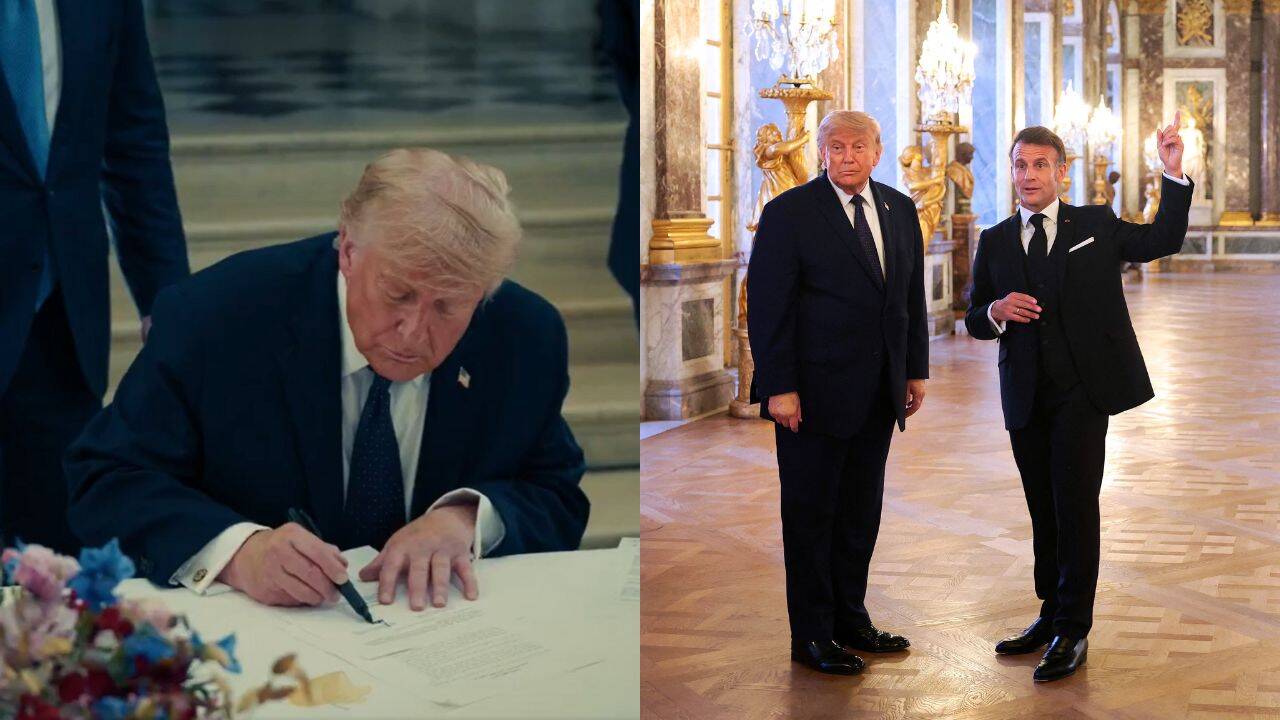
The United States and Iran have resumed hostilities after President Trump declared the June 17 ceasefire over. This decision has led to fresh US strikes against Iranian targets. In response, Iran has targeted tankers in the Strait of Hormuz, a critical oil shipping route, thereby escalating tensions in the region.
The current conflict between the US and Iran is characterized by a delicate balance of power, with neither side in a position to decisively end the war. Iran's ability to disrupt oil shipments has become a key factor in controlling the tempo of the conflict. The US, on the other hand, is facing its own set of pressures, including the potential for rising oil prices and the impact on global markets.
The situation is reminiscent of the Treaty of Versailles, which imposed harsh penalties on Germany after World War I, contributing to widespread resentment and ultimately laying the groundwork for World War II. Similarly, the US-Iran conflict has the potential to become a protracted and volatile standoff, with both sides engaging in periodic attacks and negotiations.
Iran's strategy of targeting tankers in the Strait of Hormuz is a deliberate attempt to exert pressure on the US and its allies. By disrupting oil shipments, Iran aims to drive up oil prices and create economic instability. However, this approach also carries risks, as it could lead to a broader conflict and potentially draw in other regional players.
The US, for its part, is seeking to maintain its military presence in the region while also pursuing diplomatic efforts to resolve the conflict. The US has been working with its allies to develop a coordinated response to Iran's aggression, including the deployment of additional military assets to the region.
As the conflict continues to unfold, it is likely that both sides will engage in a pattern of managed instability, characterized by periodic attacks and negotiations. This approach allows both sides to maintain a level of tension while avoiding an all-out war. However, it also creates uncertainty and unpredictability, making it challenging to predict the outcome of the conflict.
The international community is watching the situation closely, with many countries calling for restraint and diplomacy. The European Union, in particular, has been actively engaged in efforts to mediate a resolution to the conflict, recognizing the potential for a broader regional instability.
In the midst of this uncertainty, one thing is clear: the US-Iran conflict has the potential to become a defining feature of regional politics, with far-reaching implications for global security and stability. As the situation continues to evolve, it is essential to monitor developments closely and to support efforts to promote diplomacy and de-escalation.
The conflict's outcome will depend on a variety of factors, including the ability of both sides to negotiate a mutually acceptable agreement and the willingness of regional players to engage in constructive diplomacy. For now, the world waits with bated breath as the US and Iran navigate this complex and volatile standoff.
The significance of this conflict cannot be overstated, as it has the potential to impact global oil prices, regional stability, and the broader geopolitical landscape. As such, it is essential to continue monitoring developments and to support efforts to promote peace and stability in the region.
In conclusion, the US-Iran conflict is a complex and multifaceted issue, with far-reaching implications for regional and global stability. The situation is characterized by a delicate balance of power, with neither side in a position to decisively end the war. As the conflict continues to unfold, it is likely that both sides will engage in a pattern of managed instability, with periodic attacks and negotiations. The international community must continue to support efforts to promote diplomacy and de-escalation, recognizing the potential for a broader regional instability.