India, Iran Discuss Chabahar Port Amid US Sanctions
India and Iran hold talks on Chabahar Port management. US sanctions threaten project.
'%3E%3Crect%20width%3D'96'%20height%3D'96'%20fill%3D'%234A235A'%2F%3E%3Ccircle%20cx%3D'30'%20cy%3D'24'%20r%3D'44'%20fill%3D'%23fff'%20opacity%3D'.12'%2F%3E%3Ccircle%20cx%3D'60'%20cy%3D'74'%20r%3D'40'%20fill%3D'%23000'%20opacity%3D'.10'%2F%3E%3C%2Fg%3E%3Cg%20fill%3D'none'%20stroke%3D'%23fff'%20stroke-width%3D'3'%3E%3Ccircle%20cx%3D'48'%20cy%3D'48'%20r%3D'16'%2F%3E%3Cellipse%20cx%3D'48'%20cy%3D'48'%20rx%3D'6.5'%20ry%3D'16'%2F%3E%3Cline%20x1%3D'32'%20y1%3D'42'%20x2%3D'64'%20y2%3D'42'%2F%3E%3Cline%20x1%3D'32'%20y1%3D'54'%20x2%3D'64'%20y2%3D'54'%2F%3E%3C%2Fg%3E%3C%2Fsvg%3E)
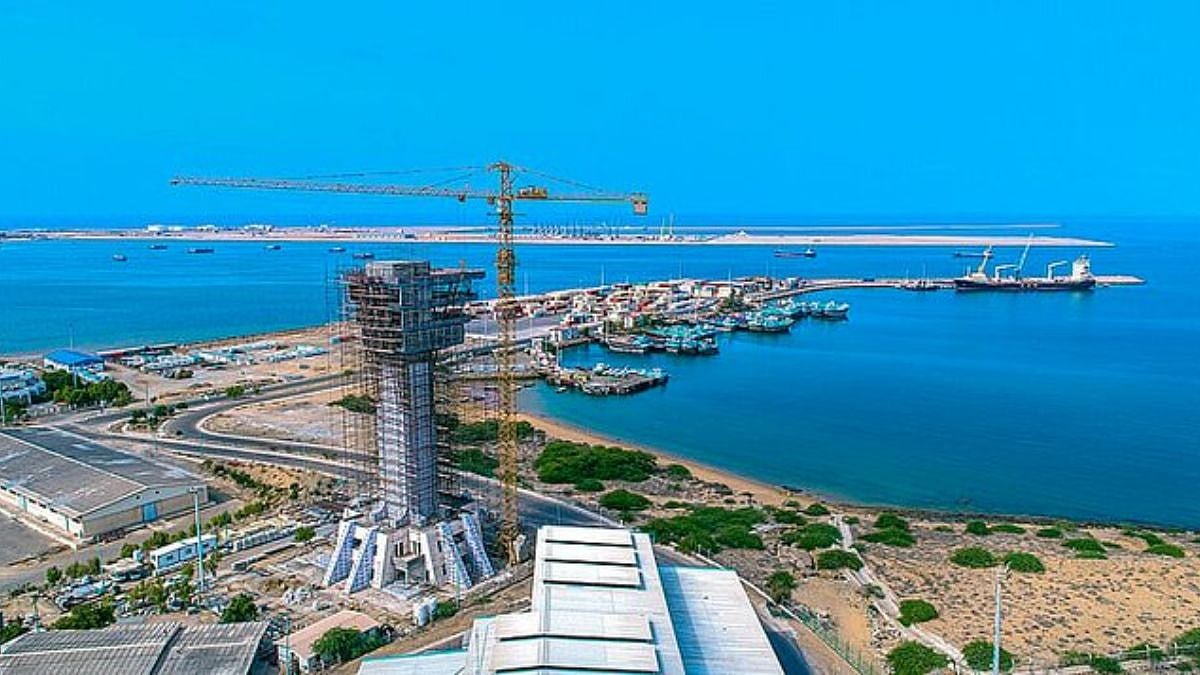
India and Iran are engaged in discussions to determine the future management structure of Chabahar Port, a strategically important facility that has been impacted by US sanctions. The talks are focused on creating an alternative operational arrangement that would allow the port to continue functioning while protecting India's long-term interests.
The proposed framework would involve Iran's ports authority taking over operational rights, with the possibility of returning these rights to India once US sanctions restrictions are removed. India is seeking a legally binding commitment from Iran to ensure that any temporary arrangement between the two port authorities is respected in the future.
The discussions come after the United States imposed sanctions on Chabahar Port following the expiry of a sanctions waiver granted earlier. The waiver had allowed India to continue its involvement in the project, but it expired on April 26. Since then, the Indian government has been engaging with stakeholders to address the impact of the move.
External Affairs Minister S Jaishankar has informed Parliament that India has increased grant assistance for supplying equipment to Chabahar Port to $120 million. Additionally, India has committed a $250 million Line of Credit in rupee equivalent for the port's development.
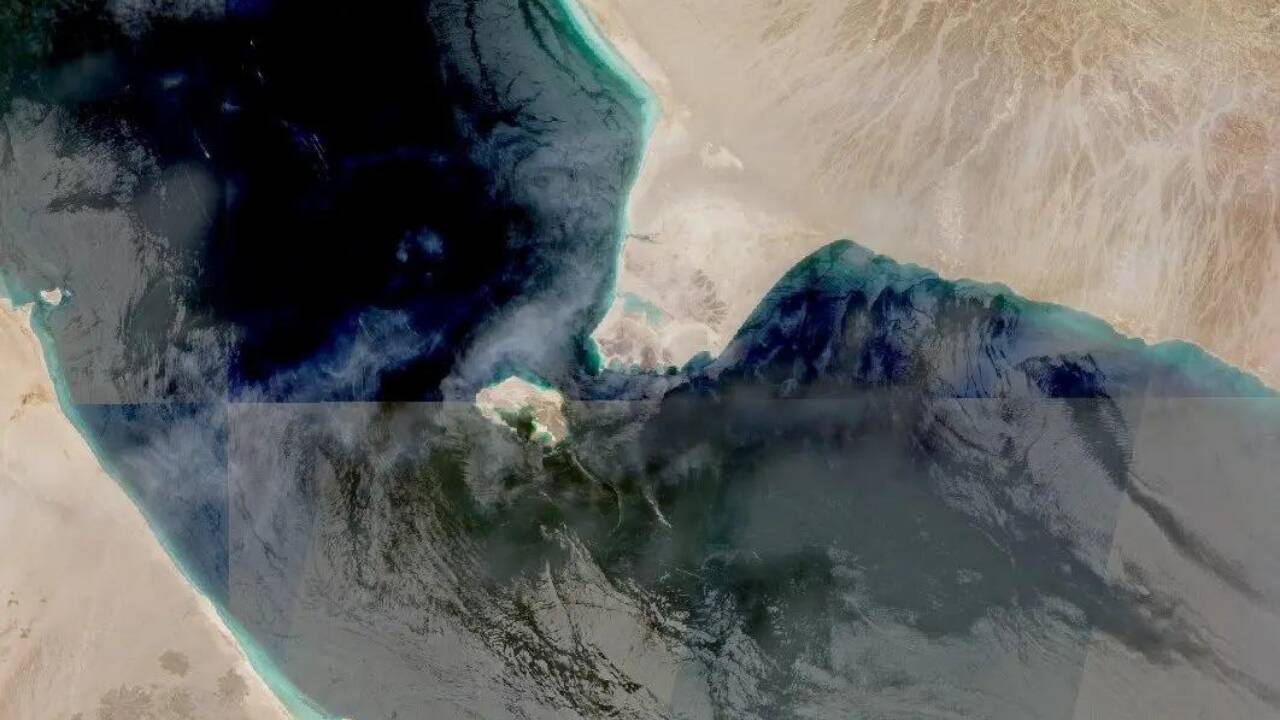
Chabahar Port holds significant strategic importance for India, as it provides direct access to Afghanistan and Central Asia without relying on transit routes through Pakistan. The port is also viewed as a counterbalance to China-backed Gwadar Port in Pakistan, located around 140 km away.
The Chabahar facility includes two terminals, with India currently managing the Shahid Beheshti terminal through India Ports Global Ltd (IPGL). Operations are carried out under a renewable 10-year agreement with Iran's Ports and Maritime Organisation.
For India, Chabahar is a crucial connectivity project that supports trade access to Afghanistan and Central Asia while bypassing Pakistan's restrictions on overland transit. For Iran, the port is its only oceanic gateway with direct access to the Indian Ocean, reducing dependence on the Strait of Hormuz.
The US had withdrawn from the Iran nuclear agreement in 2018 and reinstated sanctions on Tehran. However, Washington had provided a limited waiver for Chabahar to support humanitarian and economic activities linked to Afghanistan.
The ongoing discussions between India and Iran are crucial in determining the future of Chabahar Port. The project's success is essential for both countries, as it provides a vital trade route and supports economic development in the region.
In conclusion, the talks between India and Iran on Chabahar Port management are a significant development in the project's history. The outcome of these discussions will have a substantial impact on the future of the port and the trade relations between the two countries.
Frequently asked questions
What is the current status of Chabahar Port?
Chabahar Port is facing uncertainty due to US sanctions, but India and Iran are discussing alternative management structures.
Why is Chabahar Port important for India?
Chabahar Port provides India with direct access to Afghanistan and Central Asia, bypassing Pakistan's restrictions on overland transit.