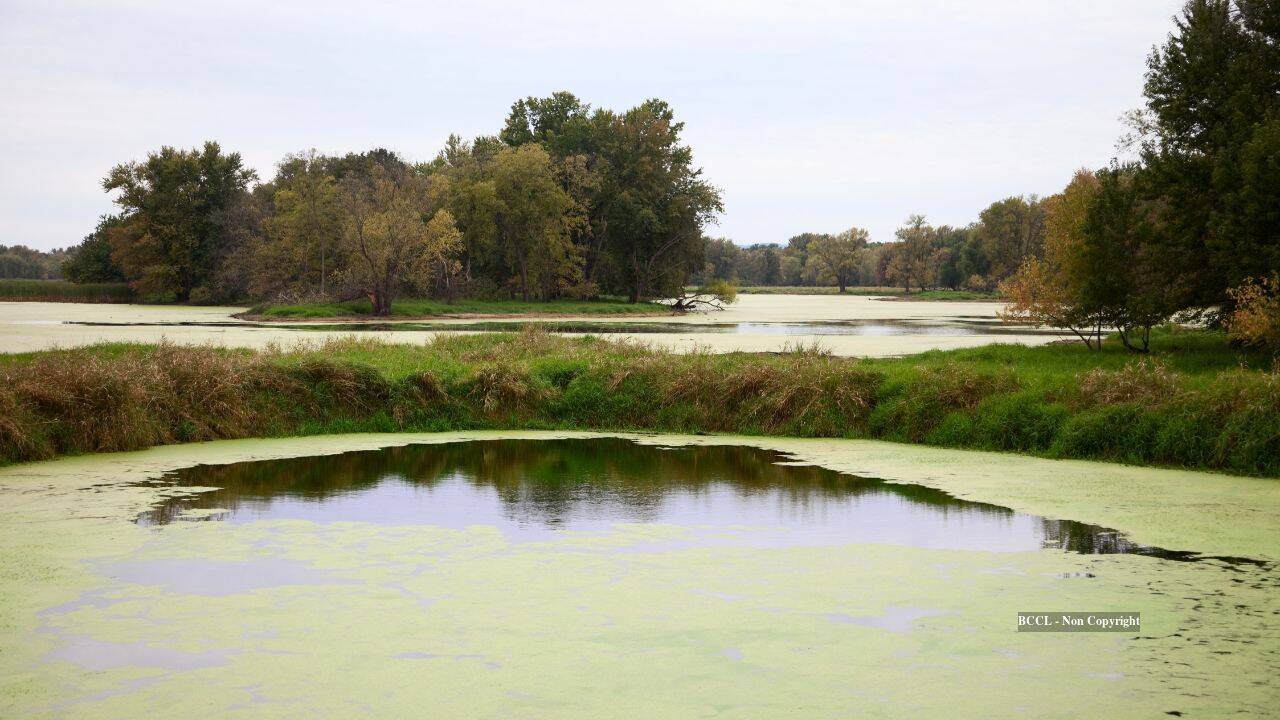
Wisconsin Lake Sees 788% Yellow Perch Rise After Fish Removal
Scientists removed 285,000 fish, saw yellow perch surge, but no walleye recovery.
'%3E%3Crect%20width%3D'96'%20height%3D'96'%20fill%3D'%23B3261E'%2F%3E%3Ccircle%20cx%3D'30'%20cy%3D'24'%20r%3D'44'%20fill%3D'%23fff'%20opacity%3D'.12'%2F%3E%3Ccircle%20cx%3D'60'%20cy%3D'74'%20r%3D'40'%20fill%3D'%23000'%20opacity%3D'.10'%2F%3E%3C%2Fg%3E%3Cg%20fill%3D'%23fff'%3E%3Crect%20x%3D'29'%20y%3D'49'%20width%3D'8'%20height%3D'19'%20rx%3D'1'%2F%3E%3Crect%20x%3D'39'%20y%3D'40'%20width%3D'9'%20height%3D'28'%20rx%3D'1'%2F%3E%3Crect%20x%3D'50'%20y%3D'45'%20width%3D'8'%20height%3D'23'%20rx%3D'1'%2F%3E%3Crect%20x%3D'60'%20y%3D'53'%20width%3D'7'%20height%3D'15'%20rx%3D'1'%2F%3E%3Crect%20x%3D'41'%20y%3D'34'%20width%3D'5'%20height%3D'6'%2F%3E%3C%2Fg%3E%3C%2Fsvg%3E)
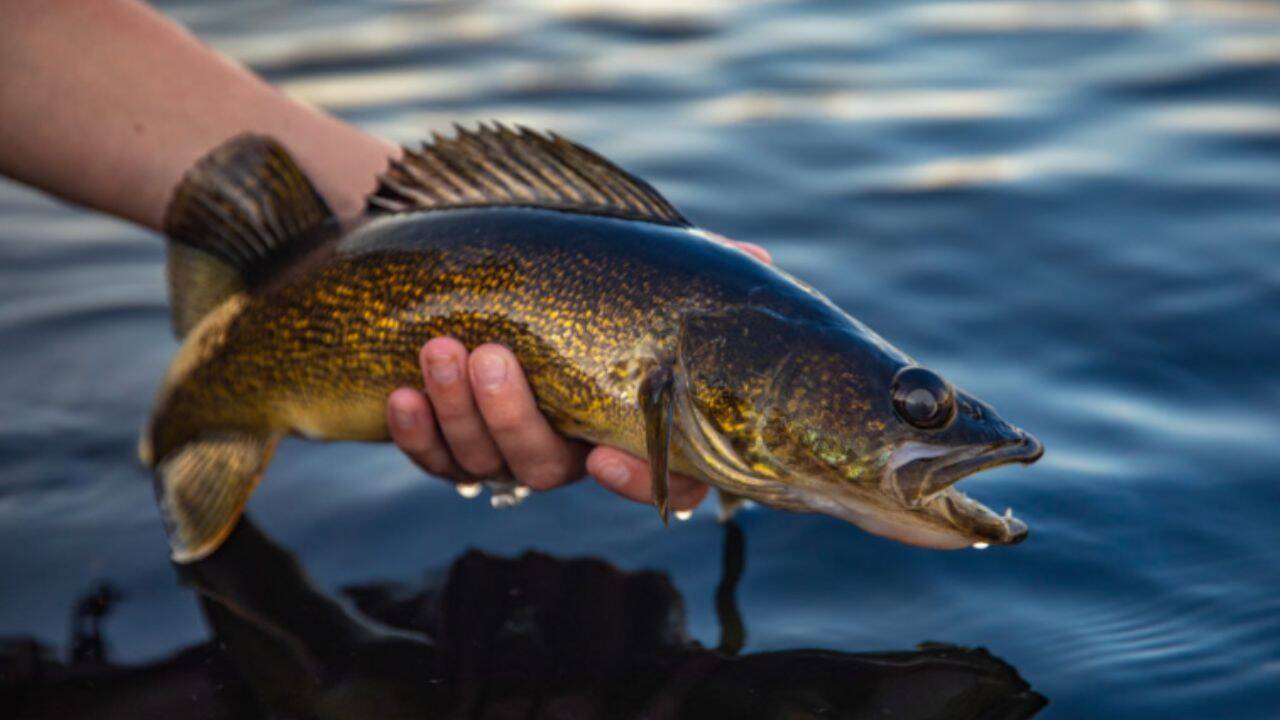
Scientists conducted an experiment in Wisconsin’s McDermott Lake, removing approximately 285,000 centrarchid fish between 2018 and 2021. The goal was to determine if reducing competition and predation could aid in the recovery of the walleye population.
The results showed a significant decrease in several fish species, with a notable 788% increase in yellow perch numbers. However, despite these changes, researchers found no natural walleye recruitment, indicating that removing centrarchids alone was insufficient to restore the lake’s walleye population.
The experiment aimed to understand the complex dynamics of fish populations and the impact of removing certain species on the overall ecosystem. By reducing the number of centrarchid fish, scientists hoped to create a more favorable environment for walleye to thrive.
Centrarchid fish, which include species like bass and bluegill, are known to compete with walleye for food and habitat. By removing a substantial number of these fish, scientists expected to see an increase in walleye populations. However, the results suggest that the relationship between fish species is more complex than initially thought.
The significant rise in yellow perch numbers is a notable outcome of the experiment. Yellow perch are an important species in many lakes, serving as a food source for larger fish and birds. The 788% increase in their population could have a positive impact on the overall ecosystem of McDermott Lake.
The lack of natural walleye recruitment, despite the removal of centrarchids, highlights the challenges of restoring fish populations. Walleye are an important species for recreational fishing and are often a key component of lake ecosystems. The failure to see an increase in their numbers suggests that other factors, such as habitat quality or water conditions, may be limiting their recovery.
The study’s findings have implications for fisheries management and conservation efforts. By understanding the complex interactions between fish species and their environment, scientists can develop more effective strategies for restoring and maintaining healthy fish populations.
In conclusion, the experiment in McDermott Lake provides valuable insights into the dynamics of fish populations and the challenges of restoring endangered species. While the removal of centrarchids had a significant impact on the lake’s ecosystem, it was not enough to restore the walleye population, highlighting the need for a more nuanced approach to fisheries management.
The results of this study will likely inform future conservation efforts, both in Wisconsin and elsewhere. By continuing to study the complex relationships between fish species and their environment, scientists can work towards creating healthier, more sustainable ecosystems.
Frequently asked questions
What was the goal of the fish removal experiment in Wisconsin's McDermott Lake?
The goal was to determine if reducing competition and predation could aid in the recovery of the walleye population.
What was the outcome of the experiment in terms of yellow perch numbers?
The experiment saw a 788% increase in yellow perch numbers.