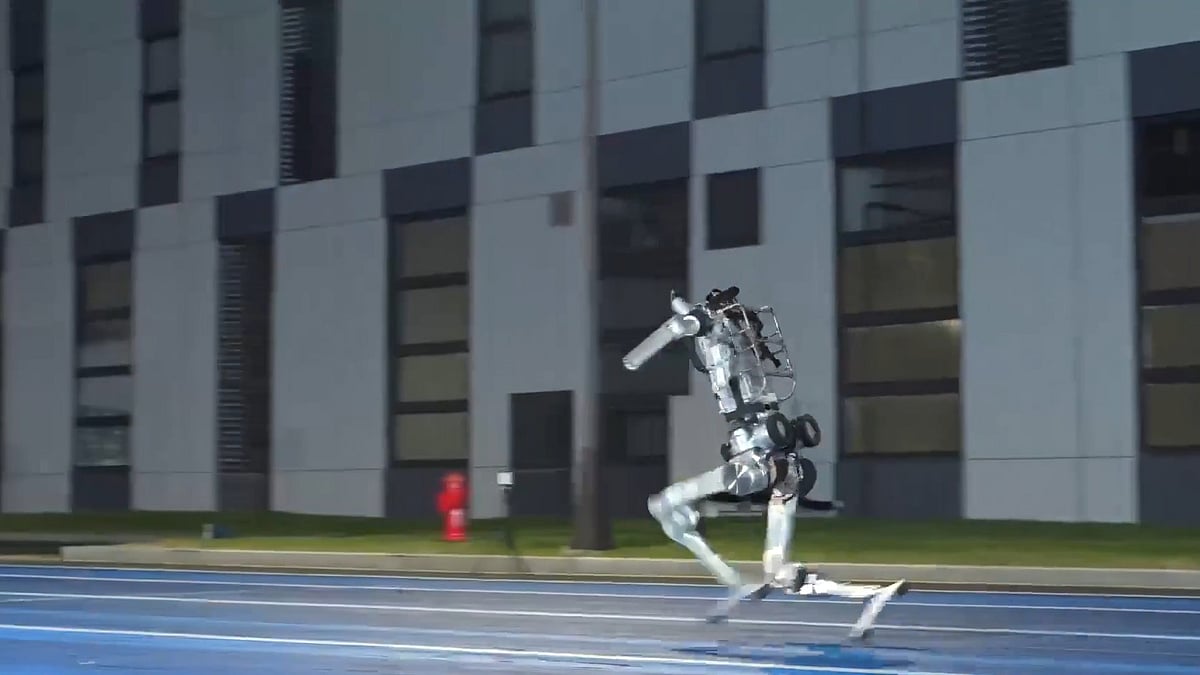
China Builds Robot Dogs at Scale
China builds robot dogs, US funded research. New arms race begins.
'%3E%3Crect%20width%3D'96'%20height%3D'96'%20fill%3D'%234A235A'%2F%3E%3Ccircle%20cx%3D'30'%20cy%3D'24'%20r%3D'44'%20fill%3D'%23fff'%20opacity%3D'.12'%2F%3E%3Ccircle%20cx%3D'60'%20cy%3D'74'%20r%3D'40'%20fill%3D'%23000'%20opacity%3D'.10'%2F%3E%3C%2Fg%3E%3Cg%20fill%3D'none'%20stroke%3D'%23fff'%20stroke-width%3D'3'%3E%3Ccircle%20cx%3D'48'%20cy%3D'48'%20r%3D'16'%2F%3E%3Cellipse%20cx%3D'48'%20cy%3D'48'%20rx%3D'6.5'%20ry%3D'16'%2F%3E%3Cline%20x1%3D'32'%20y1%3D'42'%20x2%3D'64'%20y2%3D'42'%2F%3E%3Cline%20x1%3D'32'%20y1%3D'54'%20x2%3D'64'%20y2%3D'54'%2F%3E%3C%2Fg%3E%3C%2Fsvg%3E)
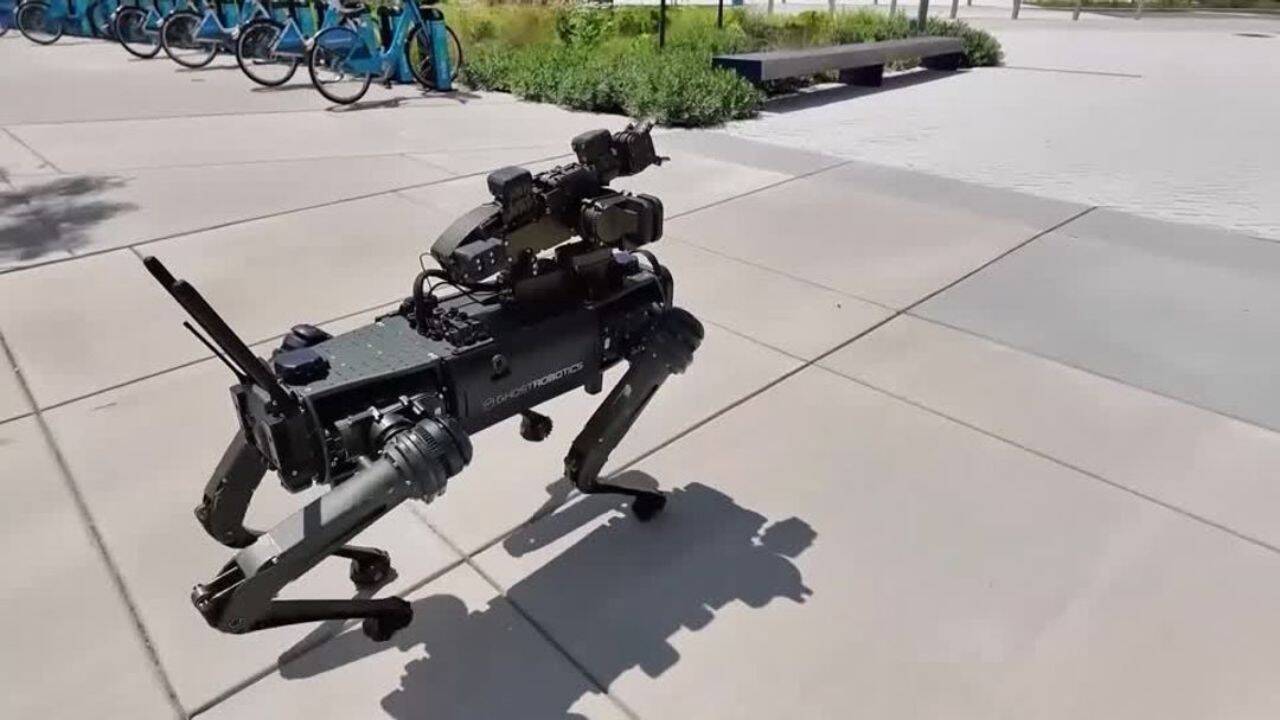
The development of robot dogs has entered a new phase with China building these machines at scale. The research behind these robot dogs was initially funded by the US.
The concept of robot dogs has been around for some time, with various countries exploring their potential for military and civilian use. However, China's ability to build these machines at scale has raised concerns about a new arms race.
The US had initially funded research into robot dogs, with the aim of creating machines that could assist soldiers in various tasks. However, China has taken this technology and built upon it, creating robot dogs that can be used for a variety of purposes.
China's robot dogs are equipped with advanced sensors and artificial intelligence, allowing them to navigate complex terrain and perform tasks with ease. These machines have the potential to revolutionize the way militaries operate, and could potentially be used for a variety of tasks, including reconnaissance and combat.
The development of robot dogs has significant implications for the future of warfare. As these machines become more advanced, they could potentially be used to replace human soldiers in certain situations, reducing the risk of casualties.
The US and China are not the only countries exploring the potential of robot dogs. Other nations, including Russia and Israel, are also investing in this technology. As the development of robot dogs continues to advance, it is likely that we will see a new arms race emerge, with countries competing to create the most advanced machines.
The use of robot dogs in warfare raises important questions about the ethics of using autonomous machines in combat. As these machines become more advanced, there is a risk that they could be used to make life or death decisions without human oversight.
In conclusion, the development of robot dogs has entered a new phase, with China building these machines at scale. The implications of this technology are significant, and could potentially change the face of warfare. As the development of robot dogs continues to advance, it is likely that we will see a new arms race emerge, with countries competing to create the most advanced machines.
The future of robot dogs is uncertain, but one thing is clear: this technology has the potential to revolutionize the way militaries operate. As countries continue to invest in this technology, we can expect to see significant advancements in the coming years.
The development of robot dogs is a complex issue, with significant implications for the future of warfare. As this technology continues to advance, it is likely that we will see a new arms race emerge, with countries competing to create the most advanced machines.
The US and China are at the forefront of this technology, with both countries investing heavily in the development of robot dogs. However, other nations are also exploring the potential of this technology, and it is likely that we will see significant advancements in the coming years.
The use of robot dogs in warfare raises important questions about the ethics of using autonomous machines in combat. As these machines become more advanced, there is a risk that they could be used to make life or death decisions without human oversight.
It is clear that the development of robot dogs has significant implications for the future of warfare. As this technology continues to advance, it is likely that we will see a new arms race emerge, with countries competing to create the most advanced machines.
The development of robot dogs is a significant issue, with implications for the future of warfare. As countries continue to invest in this technology, we can expect to see significant advancements in the coming years.
In the future, we can expect to see robot dogs being used in a variety of roles, including reconnaissance, combat, and logistics. These machines have the potential to revolutionize the way militaries operate, and could potentially be used to replace human soldiers in certain situations.
The development of robot dogs has significant implications for the future of warfare. As this technology continues to advance, it is likely that we will see a new arms race emerge, with countries competing to create the most advanced machines.
As the development of robot dogs continues to advance, it is likely that we will see significant advancements in the coming years. The use of robot dogs in warfare raises important questions about the ethics of using autonomous machines in combat.
In conclusion, the development of robot dogs has entered a new phase, with China building these machines at scale. The implications of this technology are significant, and could potentially change the face of warfare.
The future of robot dogs is uncertain, but one thing is clear: this technology has the potential to revolutionize the way militaries operate. As countries continue to invest in this technology, we can expect to see significant advancements in the coming years.
The development of robot dogs is a complex issue, with significant implications for the future of warfare. As this technology continues to advance, it is likely that we will see a new arms race emerge, with countries competing to create the most advanced machines.
The US and China are at the forefront of this technology, with both countries investing heavily in the development of robot dogs. However, other nations are also exploring the potential of this technology, and it is likely that we will see significant advancements in the coming years.
The use of robot dogs in warfare raises important questions about the ethics of using autonomous machines in combat. As these machines become more advanced, there is a risk that they could be used to make life or death decisions without human oversight.
It is clear that the development of robot dogs has significant implications for the future of warfare. As this technology continues to advance, it is likely that we will see a new arms race emerge, with countries competing to create the most advanced machines.
The development of robot dogs is a significant issue, with implications for the future of warfare. As countries continue to invest in this technology, we can expect to see significant advancements in the coming years.
In the future, we can expect to see robot dogs being used in a variety of roles, including reconnaissance, combat, and logistics. These machines have the potential to revolutionize the way militaries operate, and could potentially be used to replace human soldiers in certain situations.
The development of robot dogs has significant implications for the future of warfare. As this technology continues to advance, it is likely that we will see a new arms race emerge, with countries competing to create the most advanced machines.
As the development of robot dogs continues to advance, it is likely that we will see significant advancements in the coming years. The use of robot dogs in warfare raises important questions about the ethics of using autonomous machines in combat.
In conclusion, the development of robot dogs has entered a new phase, with China building these machines at scale. The implications of this technology are significant, and could potentially change the face of warfare.
The future of robot dogs is uncertain, but one thing is clear: this technology has the potential to revolutionize the way militaries operate. As countries continue to invest in this technology, we can expect to see significant advancements in the coming years.
The development of robot dogs is a complex issue, with significant implications for the future of warfare. As this technology continues to advance, it is likely that we will see a new arms race emerge, with countries competing to create the most advanced machines.
The US and China are at the forefront of this technology, with both countries investing heavily in the development of robot dogs. However, other nations are also exploring the potential of this technology, and it is likely that we will see significant advancements in the coming years.
The use of robot dogs in warfare raises important questions about the ethics of using autonomous machines in combat. As these machines become more advanced, there is a risk that they could be used to make life or death decisions without human oversight.
It is clear that the development of robot dogs has significant implications for the future of warfare. As this technology continues to advance, it is likely that we will see a new arms race emerge, with countries competing to create the most advanced machines.
The development of robot dogs is a significant issue, with implications for the future of warfare. As countries continue to invest in this technology, we can expect to see significant advancements in the coming years.
In the future, we can expect to see robot dogs being used in a variety of roles, including reconnaissance, combat, and logistics. These machines have the potential to revolutionize the way militaries operate, and could potentially be used to replace human soldiers in certain situations.
The development of robot dogs has significant implications for the future of warfare. As this technology continues to advance, it is likely that we will see a new arms race emerge, with countries competing to create the most advanced machines.
As the development of robot dogs continues to advance, it is likely that we will see significant advancements in the coming years. The use of robot dogs in warfare raises important questions about the ethics of using autonomous machines in combat.
In conclusion, the development of robot dogs has entered a new phase, with China building these machines at scale. The implications of this technology are significant, and could potentially change the face of warfare.
What it means for the future is that robot dogs will play a significant role in the development of military technology. The use of autonomous machines in combat raises important questions about the ethics of warfare, and it is likely that we will see a new arms race emerge as countries compete to create the most advanced machines.
Frequently asked questions
What is the significance of robot dogs in warfare?
Robot dogs have the potential to revolutionize the way militaries operate, and could potentially be used to replace human soldiers in certain situations.
Which countries are investing in robot dog technology?
The US and China are at the forefront of this technology, with both countries investing heavily in the development of robot dogs.