Mumbai Reservoirs Fill Up, Water Stock Reaches 52%
Mumbai's reservoirs are filling up, with water stock crossing 50%.
'%3E%3Crect%20width%3D'96'%20height%3D'96'%20fill%3D'%23B3261E'%2F%3E%3Ccircle%20cx%3D'30'%20cy%3D'24'%20r%3D'44'%20fill%3D'%23fff'%20opacity%3D'.12'%2F%3E%3Ccircle%20cx%3D'60'%20cy%3D'74'%20r%3D'40'%20fill%3D'%23000'%20opacity%3D'.10'%2F%3E%3C%2Fg%3E%3Cg%20fill%3D'%23fff'%3E%3Crect%20x%3D'29'%20y%3D'49'%20width%3D'8'%20height%3D'19'%20rx%3D'1'%2F%3E%3Crect%20x%3D'39'%20y%3D'40'%20width%3D'9'%20height%3D'28'%20rx%3D'1'%2F%3E%3Crect%20x%3D'50'%20y%3D'45'%20width%3D'8'%20height%3D'23'%20rx%3D'1'%2F%3E%3Crect%20x%3D'60'%20y%3D'53'%20width%3D'7'%20height%3D'15'%20rx%3D'1'%2F%3E%3Crect%20x%3D'41'%20y%3D'34'%20width%3D'5'%20height%3D'6'%2F%3E%3C%2Fg%3E%3C%2Fsvg%3E)
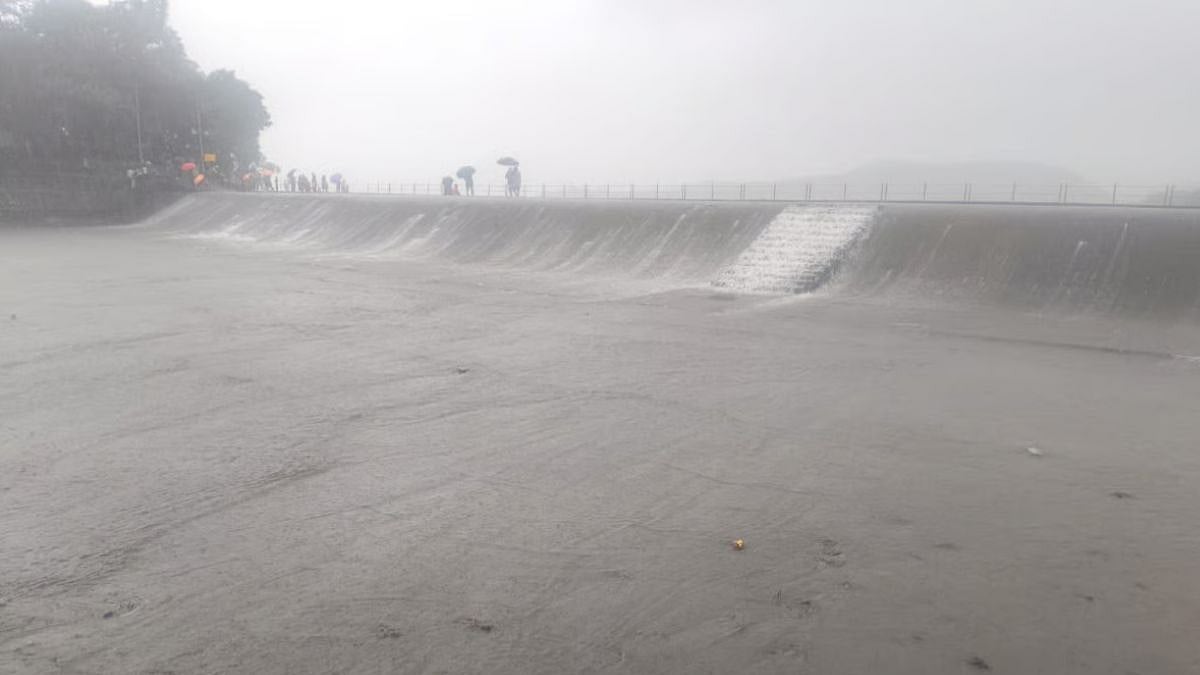
Mumbai's seven reservoirs have seen a significant increase in water levels, with the combined stock reaching 52.39% of the total useful storage capacity. As of July 19, the reservoirs held 758,245 million litres of water.
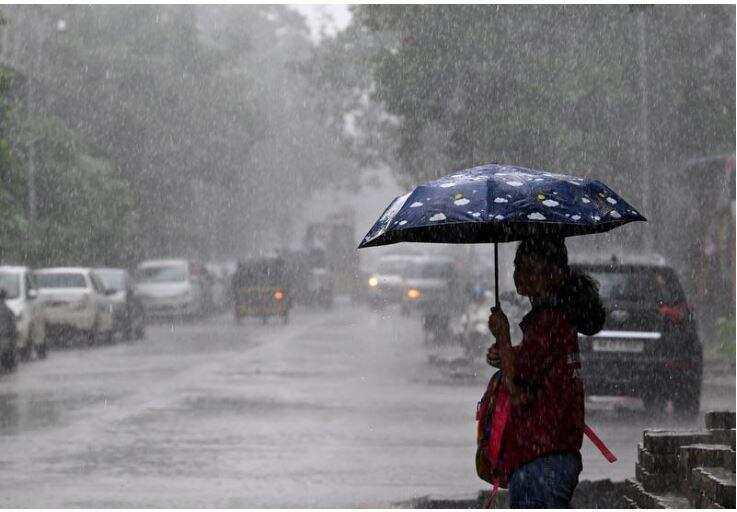
The improvement in water levels is attributed to the light to moderate rainfall in the city and its catchment areas. The BMC's Hydraulic Engineer's Department reported a 1.62% increase in water stock over the past 24 hours.
Among the major lakes, Tansa has the highest live storage at 84.37%, followed by Modak Sagar at 79.12%. Middle Vaitarna and Upper Vaitarna have live storage levels of 46.78% and 31.80%, respectively. Bhatsa, the largest lake supplying Mumbai, has a live storage level of 46.79%.
Vihar Lake and Tulsi Lake are almost full, with live storage levels of 100% and 98.33%, respectively. The highest rainfall was recorded at Bhatsa, with 112 mm, followed by Tansa at 75 mm.
The water levels in the reservoirs have been improving steadily, with Vihar Lake overflowing on July 7 at 9:00 pm, followed by Tulsi Lake at 11:43 pm. The Middle Vaitarna WSCPO gate has remained closed since July 6, while water release from Upper Vaitarna has been suspended since July 6.
The increasing water stock is bringing relief to citizens from water scarcity. However, civic authorities are closely monitoring rainfall patterns to ensure adequate water availability for the city.
The BMC is keeping a close eye on the water levels and rainfall patterns to plan for the city's water supply. The improvement in water levels is a welcome relief for the city, which has been facing water scarcity in some areas.
The monsoon season is crucial for Mumbai's water supply, and the BMC is working to ensure that the city has enough water to last throughout the year. With the water stock reaching 52.39%, the city is moving closer to meeting its water needs.
The civic authorities are advising citizens to use water judiciously and to report any leaks or wastage to the BMC. The BMC is also working to repair and maintain the city's water infrastructure to minimize losses and ensure that water reaches all areas of the city.
As the monsoon season progresses, the BMC will continue to monitor the water levels and rainfall patterns to ensure that the city has a steady supply of water. The increasing water stock is a positive sign, and the city is hopeful that the water scarcity issues will be alleviated soon.
In conclusion, the improvement in Mumbai's reservoir water levels is a significant development, and the city is moving closer to meeting its water needs. The BMC's efforts to monitor and manage the water supply are crucial, and citizens are advised to use water judiciously to ensure that the city has enough water to last throughout the year.