Congo Water Diversion to Revive Lake Chad
Africa plans $50bn project, Lake Chad shrinks
'%3E%3Crect%20width%3D'96'%20height%3D'96'%20fill%3D'%23B3261E'%2F%3E%3Ccircle%20cx%3D'30'%20cy%3D'24'%20r%3D'44'%20fill%3D'%23fff'%20opacity%3D'.12'%2F%3E%3Ccircle%20cx%3D'60'%20cy%3D'74'%20r%3D'40'%20fill%3D'%23000'%20opacity%3D'.10'%2F%3E%3C%2Fg%3E%3Cg%20fill%3D'%23fff'%3E%3Crect%20x%3D'29'%20y%3D'49'%20width%3D'8'%20height%3D'19'%20rx%3D'1'%2F%3E%3Crect%20x%3D'39'%20y%3D'40'%20width%3D'9'%20height%3D'28'%20rx%3D'1'%2F%3E%3Crect%20x%3D'50'%20y%3D'45'%20width%3D'8'%20height%3D'23'%20rx%3D'1'%2F%3E%3Crect%20x%3D'60'%20y%3D'53'%20width%3D'7'%20height%3D'15'%20rx%3D'1'%2F%3E%3Crect%20x%3D'41'%20y%3D'34'%20width%3D'5'%20height%3D'6'%2F%3E%3C%2Fg%3E%3C%2Fsvg%3E)
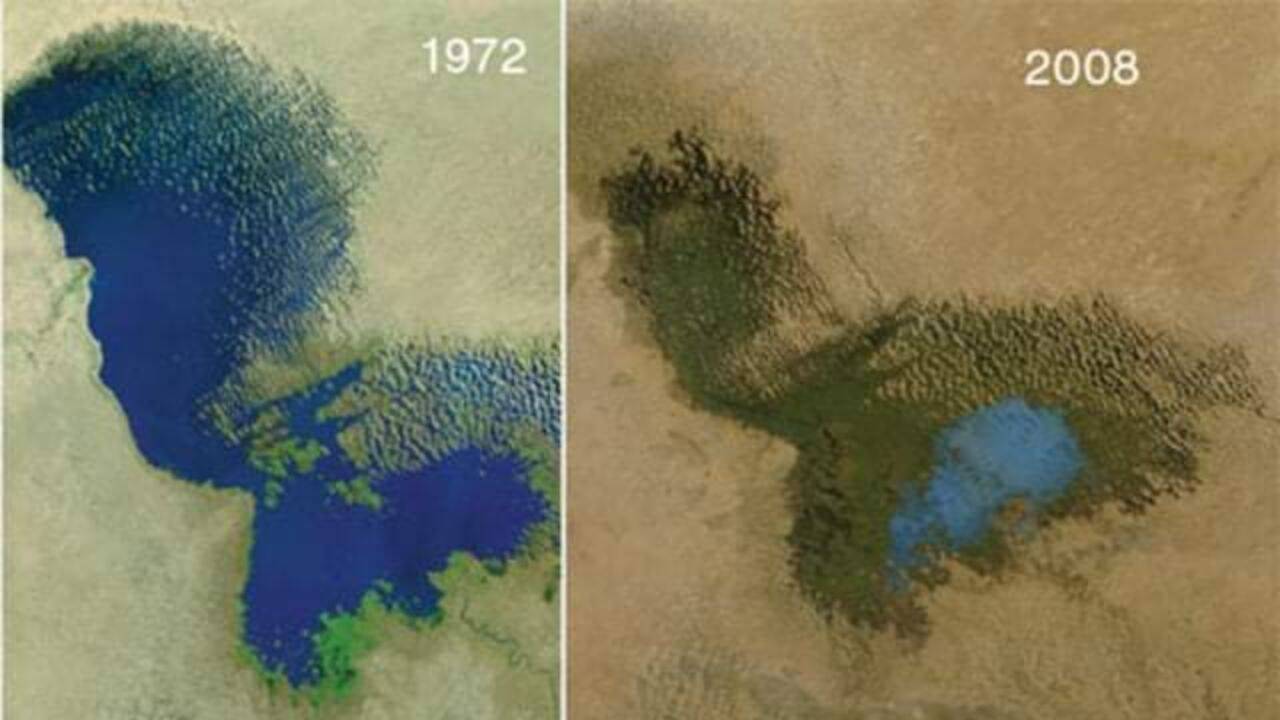
A drastic solution is being proposed to counteract the severe impacts of Lake Chad's shrinkage, which has affected millions of people. The lake's ecosystem has been deteriorating over the years, leading to significant economic and social consequences for the surrounding regions.
To address this crisis, governments are investing in various initiatives aimed at rehabilitating the lake. One of the most ambitious projects is the Transaqua project, which involves channeling water from the Congo River back into Lake Chad. This massive undertaking aims to not only replenish the lake but also foster economic growth in the surrounding areas.
The Transaqua project is estimated to cost around $50 billion, a significant investment in the region's ecosystem and economy. The project's primary objective is to divert a portion of the Congo River's water into Lake Chad, thereby restoring the lake's water levels and revitalizing its ecosystem.
Lake Chad's shrinkage has been a major concern for the international community, with the lake's surface area decreasing dramatically over the past few decades. The lake's water level has decreased by around 90% since the 1960s, resulting in severe impacts on the local population, including reduced fishing and farming activities.
The Transaqua project is expected to have a positive impact on the region's economy, with the potential to create new job opportunities and stimulate economic growth. The project's success could also lead to improved living conditions for the local population, who have been struggling to cope with the lake's shrinkage.
The African governments involved in the project are working closely with international organizations to ensure the project's success. The project's implementation is expected to take several years, with the exact timeline depending on various factors, including funding and logistical considerations.
In the context of Africa's growing water crisis, the Transaqua project is a significant step towards addressing the continent's water management challenges. The project's success could serve as a model for other regions facing similar water management issues, highlighting the importance of international cooperation and investment in water infrastructure.
The revival of Lake Chad is crucial for the region's ecosystem and economy, and the Transaqua project is a vital step towards achieving this goal. With the project's estimated cost of $50 billion, it is clear that the international community is committed to finding a solution to the lake's shrinkage, and the project's success could have far-reaching benefits for the region.
In conclusion, the Transaqua project is an ambitious undertaking that aims to address the severe impacts of Lake Chad's shrinkage. With its estimated cost of $50 billion, the project is a significant investment in the region's ecosystem and economy, and its success could have a positive impact on the local population and the environment.
Frequently asked questions
What is the Transaqua project?
The Transaqua project is an initiative to channel water from the Congo River back into Lake Chad to replenish the lake and foster economic growth in the surrounding regions.
How much will the Transaqua project cost?
The Transaqua project is estimated to cost around $50 billion.