HC Orders Police to Follow Due Process on Phone Seizure
Police can't seize a woman's phone without due process, rules HC. Compensation ordered.
'%3E%3Crect%20width%3D'96'%20height%3D'96'%20fill%3D'%23B3261E'%2F%3E%3Ccircle%20cx%3D'30'%20cy%3D'24'%20r%3D'44'%20fill%3D'%23fff'%20opacity%3D'.12'%2F%3E%3Ccircle%20cx%3D'60'%20cy%3D'74'%20r%3D'40'%20fill%3D'%23000'%20opacity%3D'.10'%2F%3E%3C%2Fg%3E%3Cg%20fill%3D'%23fff'%3E%3Crect%20x%3D'29'%20y%3D'49'%20width%3D'8'%20height%3D'19'%20rx%3D'1'%2F%3E%3Crect%20x%3D'39'%20y%3D'40'%20width%3D'9'%20height%3D'28'%20rx%3D'1'%2F%3E%3Crect%20x%3D'50'%20y%3D'45'%20width%3D'8'%20height%3D'23'%20rx%3D'1'%2F%3E%3Crect%20x%3D'60'%20y%3D'53'%20width%3D'7'%20height%3D'15'%20rx%3D'1'%2F%3E%3Crect%20x%3D'41'%20y%3D'34'%20width%3D'5'%20height%3D'6'%2F%3E%3C%2Fg%3E%3C%2Fsvg%3E)

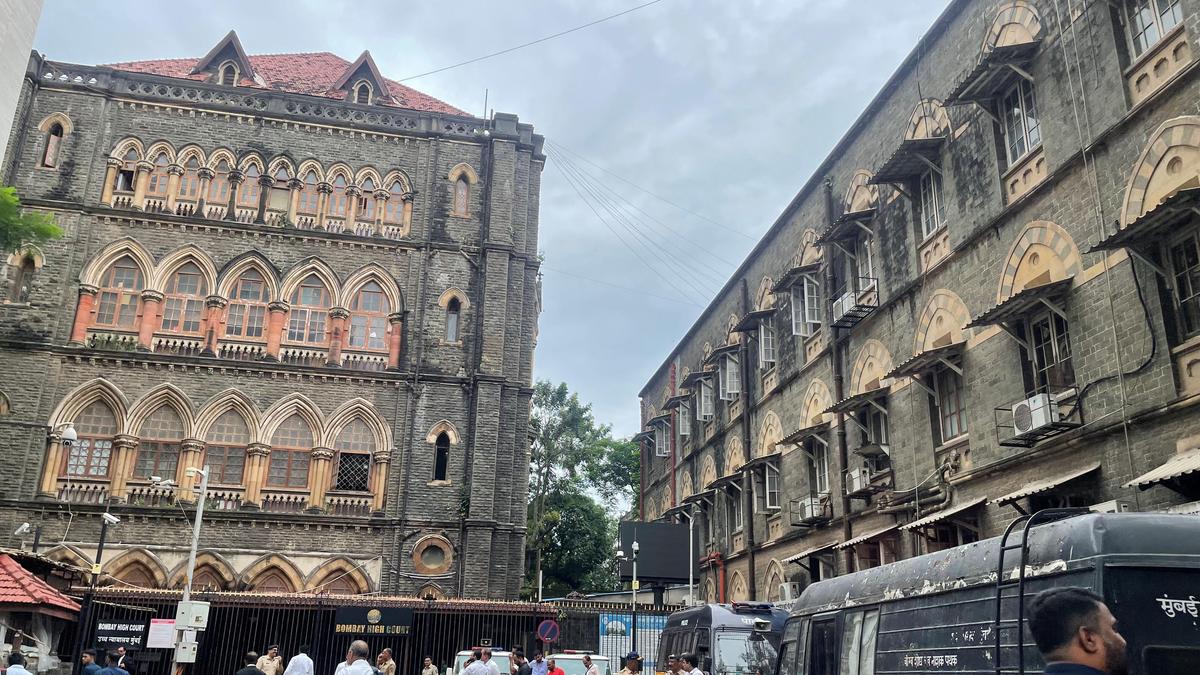
A significant ruling was made by the Bombay High Court, emphasizing the importance of due process in phone seizures.
The court's decision came in response to a petition filed by a 26-year-old woman, whose phone was seized by the police. The division bench, comprising Justices Urmila Joshi Phalke and Nivedita Mehta, directed the state to pay ₹10,000 in compensation to the petitioner for violating her constitutional rights.
The petitioner had approached the court, alleging that her phone was seized without following the proper procedures. The court, after hearing the matter, ruled that the police cannot seize a person's phone without due process, highlighting the need to protect individual rights.
The ruling is significant, as it underscores the importance of adhering to constitutional principles and respecting individual freedoms. The court's decision serves as a reminder to law enforcement agencies to follow established procedures when seizing personal belongings, including mobile phones.
In India, the Constitution guarantees certain fundamental rights to citizens, including the right to privacy and protection against arbitrary seizures. The court's ruling reinforces these principles, emphasizing that any violation of these rights will be addressed through legal means.
The Bombay High Court's decision is also a reflection of the growing awareness about individual rights and the need to balance law enforcement with constitutional protections. As technology advances and personal data becomes increasingly important, such rulings play a crucial role in safeguarding citizens' rights.
The petitioner's case highlights the importance of seeking legal recourse when individual rights are violated. By approaching the court, the petitioner was able to seek redressal for the violation of her constitutional rights, demonstrating the effectiveness of the legal system in protecting citizens.
The compensation awarded to the petitioner, ₹10,000, serves as a reminder that violations of constitutional rights will not go unchecked. The state's directive to pay compensation underscores the responsibility of law enforcement agencies to respect individual freedoms and follow due process.
In conclusion, the Bombay High Court's ruling is a significant step towards protecting individual rights and ensuring that law enforcement agencies adhere to constitutional principles. The decision reinforces the importance of due process and serves as a reminder to respect individual freedoms, particularly in the context of phone seizures.
The implications of this ruling are far-reaching, as it sets a precedent for future cases involving phone seizures and individual rights. As the legal landscape continues to evolve, such decisions play a crucial role in shaping the balance between law enforcement and constitutional protections, ultimately contributing to a more just and equitable society for all citizens.
For Mumbai residents, this ruling serves as a reminder of the importance of being aware of their constitutional rights and seeking legal recourse when these rights are violated. It also highlights the need for law enforcement agencies to respect individual freedoms and follow established procedures, ensuring that the city remains a safe and just place for all its citizens.
In the broader context, the ruling underscores the significance of protecting individual rights in a democratic society. As India continues to grow and develop, such decisions play a vital role in maintaining the balance between law enforcement and constitutional protections, ultimately contributing to the country's progress and development.
The Bombay High Court's decision is a testament to the effectiveness of the legal system in protecting citizens' rights and upholding constitutional principles. As the city and the country move forward, such rulings will continue to shape the landscape of individual freedoms and law enforcement, ensuring that the rights of all citizens are respected and protected.