India Declines G7 Presser Amid Trump Volatility
India skips G7 presser, Trump's unpredictability cited, diplomatic protocols in focus
'%3E%3Crect%20width%3D'96'%20height%3D'96'%20fill%3D'%234A235A'%2F%3E%3Ccircle%20cx%3D'30'%20cy%3D'24'%20r%3D'44'%20fill%3D'%23fff'%20opacity%3D'.12'%2F%3E%3Ccircle%20cx%3D'60'%20cy%3D'74'%20r%3D'40'%20fill%3D'%23000'%20opacity%3D'.10'%2F%3E%3C%2Fg%3E%3Cg%20fill%3D'none'%20stroke%3D'%23fff'%20stroke-width%3D'3'%3E%3Ccircle%20cx%3D'48'%20cy%3D'48'%20r%3D'16'%2F%3E%3Cellipse%20cx%3D'48'%20cy%3D'48'%20rx%3D'6.5'%20ry%3D'16'%2F%3E%3Cline%20x1%3D'32'%20y1%3D'42'%20x2%3D'64'%20y2%3D'42'%2F%3E%3Cline%20x1%3D'32'%20y1%3D'54'%20x2%3D'64'%20y2%3D'54'%2F%3E%3C%2Fg%3E%3C%2Fsvg%3E)
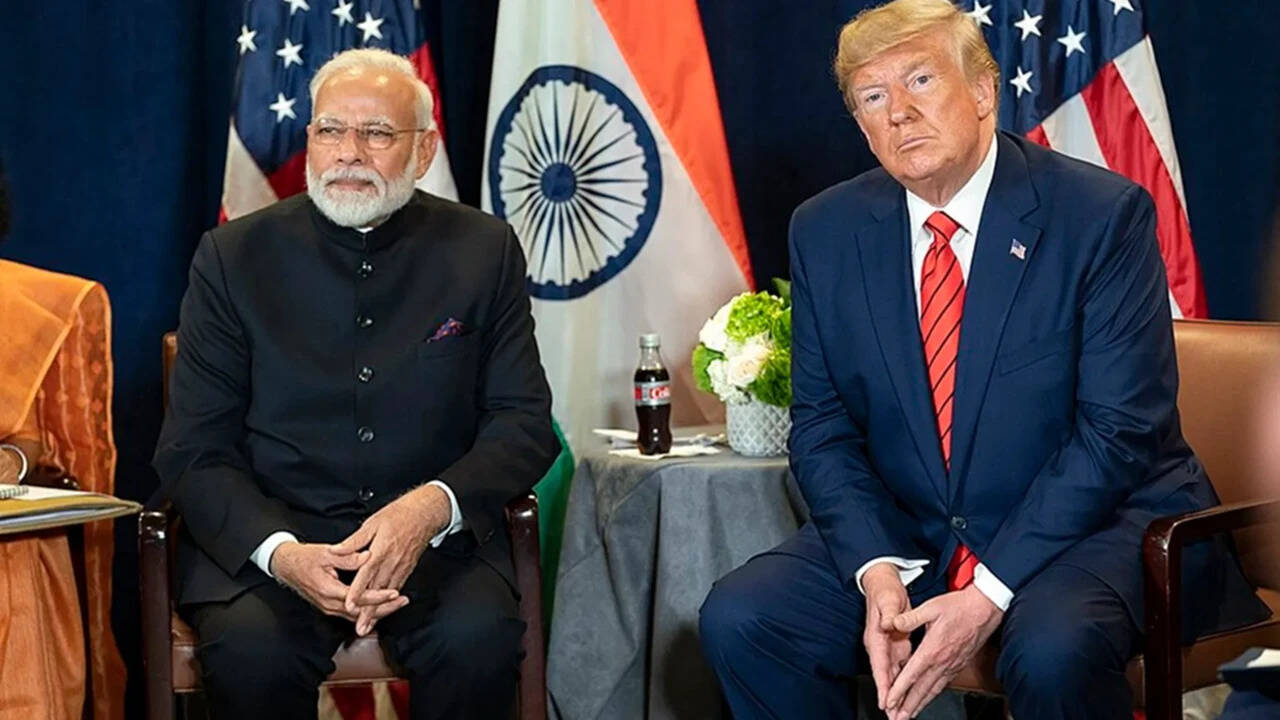
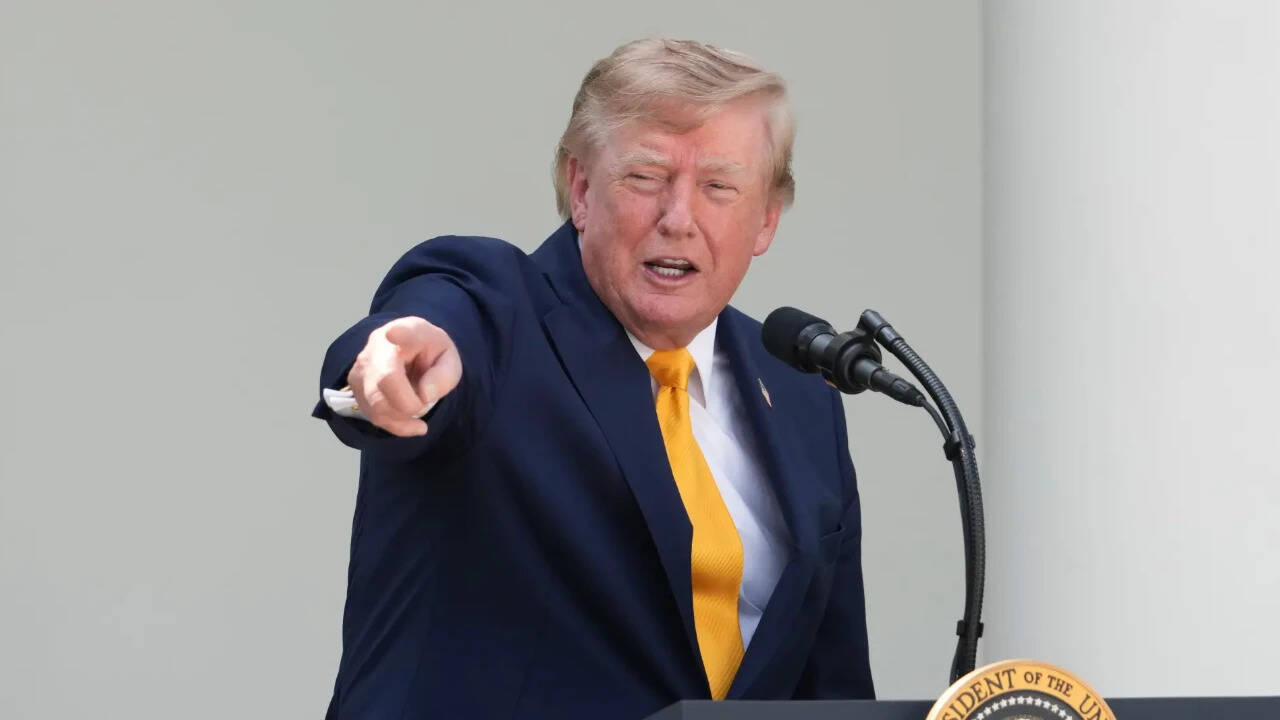
India has reportedly declined to participate in a press conference at the G7 summit, citing standard diplomatic protocols for such visits. The decision may have been influenced by the volatility and unpredictability of US President Donald Trump, who is known for his impromptu remarks and tweets.
The G7 summit, which brings together the leaders of the world's seven largest economies, is a significant platform for diplomatic engagement and dialogue. However, the Indian government's decision to opt out of the press conference suggests that it may be exercising caution in its interactions with the US president.
Trump's presidency has been marked by controversy and unpredictability, with many world leaders struggling to navigate his impulsive decision-making style. India, which has been seeking to strengthen its ties with the US, may be seeking to avoid any potential diplomatic fallout from Trump's remarks.
The Indian government's decision to decline the press conference invitation is being seen as a prudent move, given the current state of global politics. The G7 summit is a closely watched event, and any comments made by Trump or other leaders could have significant implications for international relations.
In recent years, India has been actively engaging with the US on a range of issues, including trade, defense, and counter-terrorism. However, the relationship between the two countries has also been marked by tensions and disagreements, particularly on issues such as trade tariffs and immigration.
The decline of the press conference invitation may also be seen as a reflection of India's growing diplomatic confidence and its desire to assert its own interests and priorities on the global stage. As a major emerging economy, India is increasingly seeking to play a more prominent role in international affairs, and its decision to opt out of the press conference may be seen as a sign of its growing independence and self-assurance.
The G7 summit is an important platform for India to engage with other major economies and to promote its own interests and priorities. However, the Indian government's decision to decline the press conference invitation suggests that it is also mindful of the potential risks and challenges associated with engaging with the US president.
In conclusion, India's decision to decline the G7 presser invitation may be seen as a prudent move, given the current state of global politics and the unpredictability of the US president. The decision reflects India's growing diplomatic confidence and its desire to assert its own interests and priorities on the global stage.
Frequently asked questions
Why did India decline the G7 presser invitation?
India declined the G7 presser invitation citing standard diplomatic protocols for such visits, and possibly due to the volatility and unpredictability of US President Donald Trump.
What are the implications of India's decision?
India's decision to decline the press conference invitation may be seen as a sign of its growing diplomatic confidence and its desire to assert its own interests and priorities on the global stage.