Maharashtra Names Uniform Civil Code Panel Head
Maharashtra selects panel head for Uniform Civil Code, expert who helped draft Uttarakhand law.

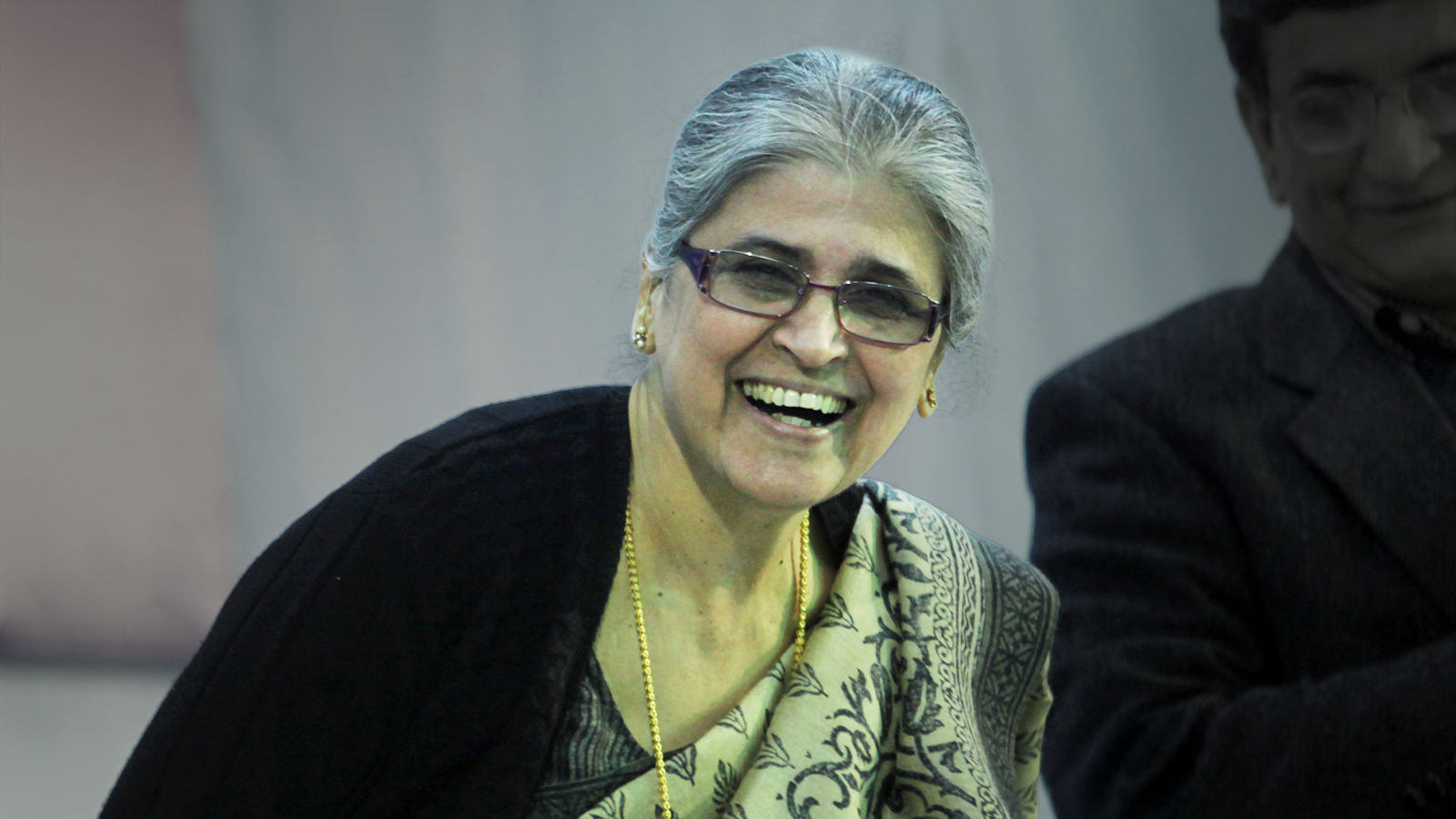
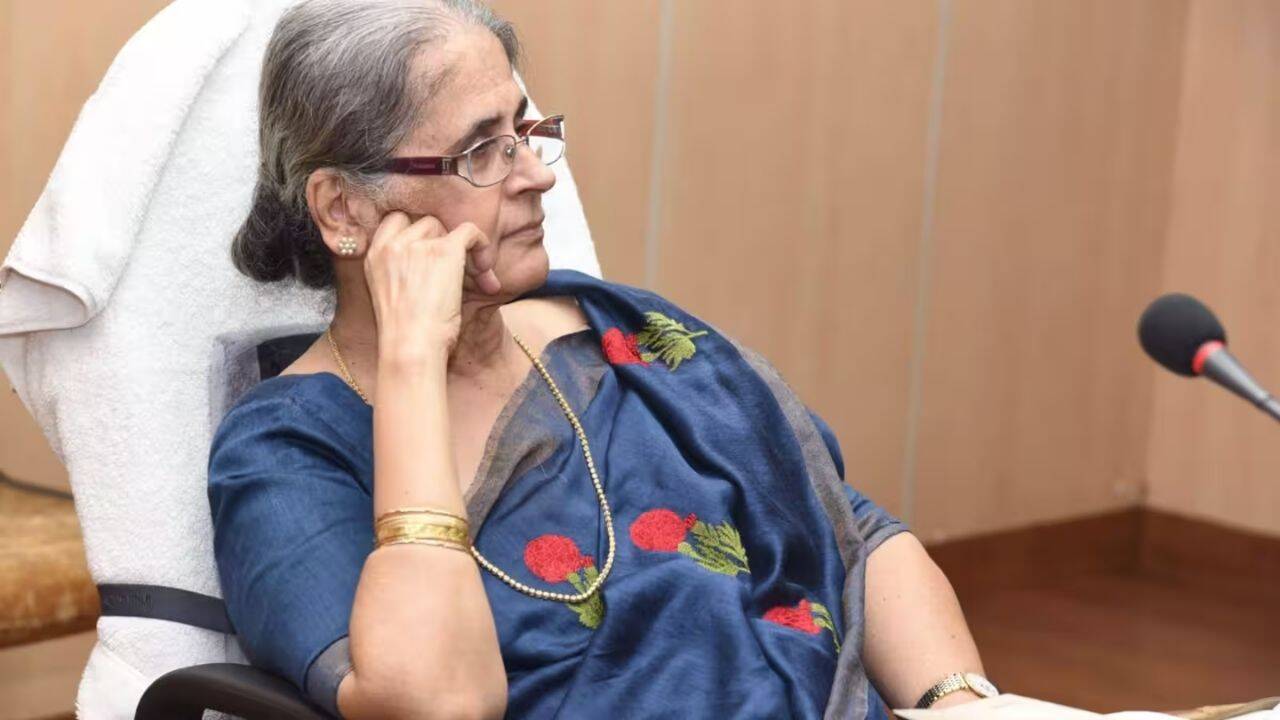
Maharashtra has appointed a chairperson to lead the state's Uniform Civil Code (UCC) committee. The selected individual has prior experience in drafting similar laws, having played a key role in preparing the UCC legislation for Uttarakhand.
The appointment marks a significant step forward in Maharashtra's efforts to implement a Uniform Civil Code, which aims to provide a common set of civil laws applicable to all citizens, regardless of their religion or community. The UCC committee will be responsible for studying and recommending a framework for the implementation of the code in the state.
The chairperson's experience in drafting the Uttarakhand UCC law is expected to be invaluable in shaping Maharashtra's own legislation. The Uttarakhand law, which was implemented in 2023, has been seen as a model for other states to follow. The expert's involvement in the Maharashtra committee is likely to ensure that the state's UCC is well-informed and effective.
The Uniform Civil Code has been a topic of discussion in India for several decades, with the goal of providing a uniform set of laws that apply to all citizens. The code is intended to replace the existing personal laws that govern various aspects of life, such as marriage, inheritance, and property rights, which currently differ depending on the individual's religion or community.
Maharashtra's decision to implement a UCC is part of a broader national trend, with several states having already taken steps to introduce similar legislation. The implementation of a UCC is expected to have far-reaching implications for the state's citizens, particularly in terms of providing greater equality and consistency in the application of civil laws.
The UCC committee in Maharashtra will comprise experts from various fields, including law, sociology, and religion. The committee will be tasked with conducting a thorough study of the existing laws and regulations in the state, as well as consulting with stakeholders and citizens to gather feedback and suggestions.
The implementation of a Uniform Civil Code in Maharashtra is expected to be a complex and challenging process, requiring careful consideration of various factors, including the state's diverse population, cultural traditions, and existing laws. However, with the appointment of a experienced chairperson and the formation of a expert committee, the state is taking a significant step towards achieving this goal.
The introduction of a UCC in Maharashtra is likely to have significant implications for the state's citizens, particularly in terms of providing greater equality and consistency in the application of civil laws. As the committee begins its work, citizens can expect a thorough and nuanced examination of the existing laws and regulations, with the goal of creating a fair and effective Uniform Civil Code.
In conclusion, the appointment of a chairperson to lead Maharashtra's UCC committee marks an important milestone in the state's efforts to implement a Uniform Civil Code. With the expert's experience and the committee's thorough approach, the state is well on its way to creating a fair and effective set of civil laws that apply to all citizens.