HC Rejects Rahul Gandhi's Plea in Defamation Case
Rahul Gandhi's plea dismissed, defamation case to proceed. Gandhi faces charges over 'commander in-thief' remark.
'%3E%3Crect%20width%3D'96'%20height%3D'96'%20fill%3D'%231A5276'%2F%3E%3Ccircle%20cx%3D'30'%20cy%3D'24'%20r%3D'44'%20fill%3D'%23fff'%20opacity%3D'.12'%2F%3E%3Ccircle%20cx%3D'60'%20cy%3D'74'%20r%3D'40'%20fill%3D'%23000'%20opacity%3D'.10'%2F%3E%3C%2Fg%3E%3Cg%20fill%3D'%23fff'%3E%3Cpath%20d%3D'M31%2041%20L48%2031%20L65%2041%20Z'%2F%3E%3Crect%20x%3D'33'%20y%3D'43'%20width%3D'4'%20height%3D'17'%2F%3E%3Crect%20x%3D'41'%20y%3D'43'%20width%3D'4'%20height%3D'17'%2F%3E%3Crect%20x%3D'51'%20y%3D'43'%20width%3D'4'%20height%3D'17'%2F%3E%3Crect%20x%3D'59'%20y%3D'43'%20width%3D'4'%20height%3D'17'%2F%3E%3Crect%20x%3D'30'%20y%3D'62'%20width%3D'36'%20height%3D'4'%20rx%3D'1'%2F%3E%3C%2Fg%3E%3C%2Fsvg%3E)

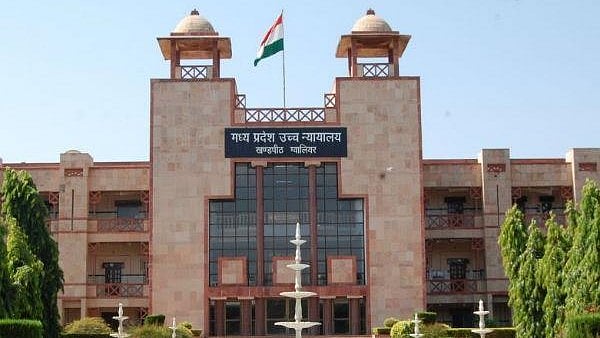
A significant development has occurred in the defamation case against Rahul Gandhi, as the High Court has rejected his plea to quash the case. The case pertains to Gandhi's 'commander in-thief' remark, which was allegedly made against the Bharatiya Janata Party (BJP).
The single bench of Justice NR Borkar heard the arguments presented by Gandhi's lawyers, who claimed that the BJP was not an identifiable body. Therefore, they argued, the remarks could not form the basis of a defamation case involving its members. However, the court did not accept this argument.
The High Court's decision means that the defamation case against Rahul Gandhi will proceed. Gandhi had sought to quash the case, but the court's rejection of his plea has paved the way for further proceedings.
The 'commander in-thief' remark was made by Gandhi in the context of a political speech. The BJP had taken exception to the remark, claiming that it was defamatory and damaged the party's reputation.
The defamation case against Gandhi is a significant development in the Indian political landscape. The case highlights the complexities of political speech and the limits of free expression in the country.
In India, defamation laws are in place to protect individuals and organizations from false and damaging statements. However, the laws have also been criticized for being used to silence political opponents and stifle free speech.
The High Court's decision in the Rahul Gandhi case will be closely watched by political observers and legal experts. The case has implications for the limits of political speech and the application of defamation laws in India.
The Indian National Congress, to which Gandhi belongs, has not commented on the High Court's decision. However, the party is likely to continue to support Gandhi in the face of the defamation case.
As the case proceeds, it is likely to generate significant political and legal debate. The outcome of the case will have implications for the Indian political landscape and the application of defamation laws in the country.
In conclusion, the High Court's rejection of Rahul Gandhi's plea is a significant development in the defamation case against him. The case will proceed, and its outcome will be closely watched by political observers and legal experts. The decision has implications for the limits of political speech and the application of defamation laws in India.
Frequently asked questions
What was the basis of Rahul Gandhi's plea to quash the defamation case?
Gandhi's lawyers argued that the BJP was not an identifiable body and therefore the remarks could not form the basis of a defamation case involving its members.
What is the current status of the defamation case against Rahul Gandhi?
The case will proceed, as the High Court has rejected Gandhi's plea to quash it.