Ohio Family Restores 60 Acres of Mine Land
An Ohio family has undertaken a massive restoration project, transforming abandoned mine land into a thriving ecosystem. Native trees have been planted across 60 acres.
'%3E%3Crect%20width%3D'96'%20height%3D'96'%20fill%3D'%23B3261E'%2F%3E%3Ccircle%20cx%3D'30'%20cy%3D'24'%20r%3D'44'%20fill%3D'%23fff'%20opacity%3D'.12'%2F%3E%3Ccircle%20cx%3D'60'%20cy%3D'74'%20r%3D'40'%20fill%3D'%23000'%20opacity%3D'.10'%2F%3E%3C%2Fg%3E%3Cg%20fill%3D'%23fff'%3E%3Crect%20x%3D'29'%20y%3D'49'%20width%3D'8'%20height%3D'19'%20rx%3D'1'%2F%3E%3Crect%20x%3D'39'%20y%3D'40'%20width%3D'9'%20height%3D'28'%20rx%3D'1'%2F%3E%3Crect%20x%3D'50'%20y%3D'45'%20width%3D'8'%20height%3D'23'%20rx%3D'1'%2F%3E%3Crect%20x%3D'60'%20y%3D'53'%20width%3D'7'%20height%3D'15'%20rx%3D'1'%2F%3E%3Crect%20x%3D'41'%20y%3D'34'%20width%3D'5'%20height%3D'6'%2F%3E%3C%2Fg%3E%3C%2Fsvg%3E)
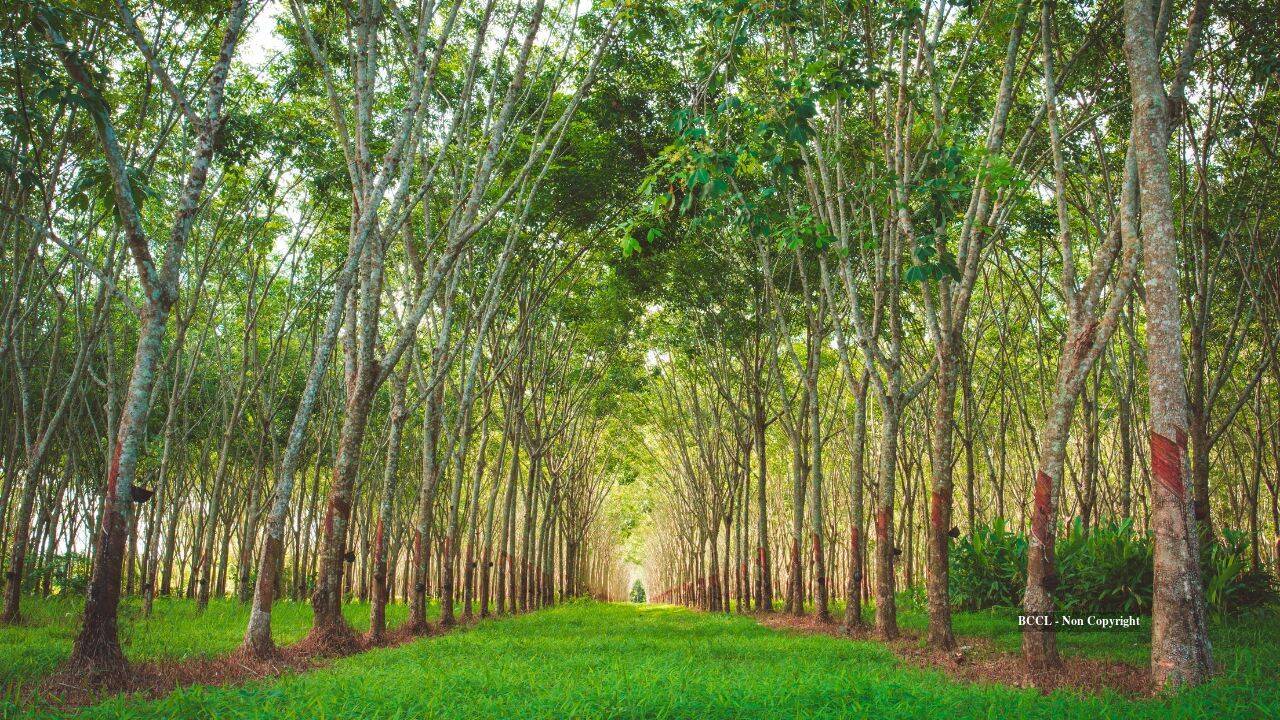
An Ohio family has successfully restored 60 acres of abandoned mine land by planting native trees, marking a significant achievement in environmental conservation. The family's efforts have transformed the once-barren land into a thriving ecosystem, providing a habitat for local wildlife and helping to revitalize the surrounding area.
The restoration project, which was undertaken by the family, involved the planting of native tree species across the 60-acre site. The choice of native trees was deliberate, as they are better suited to the local climate and soil conditions, and require less maintenance than non-native species.
The family's decision to restore the abandoned mine land was motivated by a desire to give back to the environment and create a lasting legacy. By planting native trees, they have not only improved the aesthetic value of the land but also contributed to the local ecosystem's biodiversity.
The restoration of abandoned mine land is a critical issue in many parts of the world, including the United States. Such lands can pose significant environmental and health risks, including soil erosion, water pollution, and the release of toxic substances. By restoring these lands, families like the one in Ohio can play a vital role in mitigating these risks and promoting sustainable development.
The use of native trees in restoration projects is a widely recognized best practice, as it helps to ensure the long-term sustainability of the ecosystem. Native trees are adapted to the local climate and soil conditions, which reduces the need for fertilizers, pesticides, and irrigation. This approach also helps to preserve the genetic diversity of the local ecosystem, which is essential for maintaining its resilience and adaptability.
The Ohio family's restoration project serves as a model for other families and communities looking to make a positive impact on the environment. By working together and using native trees, it is possible to transform abandoned and degraded lands into thriving ecosystems that benefit both the environment and local communities.
The success of the restoration project is a testament to the power of individual action and community engagement in promoting environmental conservation. As the world grapples with the challenges of climate change, biodiversity loss, and environmental degradation, stories like this one serve as a reminder of the importance of collective action and the role that families and communities can play in creating a more sustainable future.
In conclusion, the restoration of 60 acres of abandoned mine land by an Ohio family is a remarkable achievement that highlights the importance of environmental conservation and community engagement. The use of native trees in the restoration project has helped to create a thriving ecosystem, and the family's efforts serve as a model for others looking to make a positive impact on the environment.
Frequently asked questions
What type of trees were planted in the restoration project?
Native tree species were planted in the restoration project.
Why is the restoration of abandoned mine land important?
The restoration of abandoned mine land is important because it helps to mitigate environmental and health risks, and promotes sustainable development.