OpenAI Buys Tens Of Thousands Of Mac Minis
OpenAI's massive purchase causes shortages, Apple fast-tracks new models. Mac mini and Mac Studio demand surges.
'%3E%3Crect%20width%3D'96'%20height%3D'96'%20fill%3D'%23B3261E'%2F%3E%3Ccircle%20cx%3D'30'%20cy%3D'24'%20r%3D'44'%20fill%3D'%23fff'%20opacity%3D'.12'%2F%3E%3Ccircle%20cx%3D'60'%20cy%3D'74'%20r%3D'40'%20fill%3D'%23000'%20opacity%3D'.10'%2F%3E%3C%2Fg%3E%3Cg%20fill%3D'%23fff'%3E%3Crect%20x%3D'29'%20y%3D'49'%20width%3D'8'%20height%3D'19'%20rx%3D'1'%2F%3E%3Crect%20x%3D'39'%20y%3D'40'%20width%3D'9'%20height%3D'28'%20rx%3D'1'%2F%3E%3Crect%20x%3D'50'%20y%3D'45'%20width%3D'8'%20height%3D'23'%20rx%3D'1'%2F%3E%3Crect%20x%3D'60'%20y%3D'53'%20width%3D'7'%20height%3D'15'%20rx%3D'1'%2F%3E%3Crect%20x%3D'41'%20y%3D'34'%20width%3D'5'%20height%3D'6'%2F%3E%3C%2Fg%3E%3C%2Fsvg%3E)
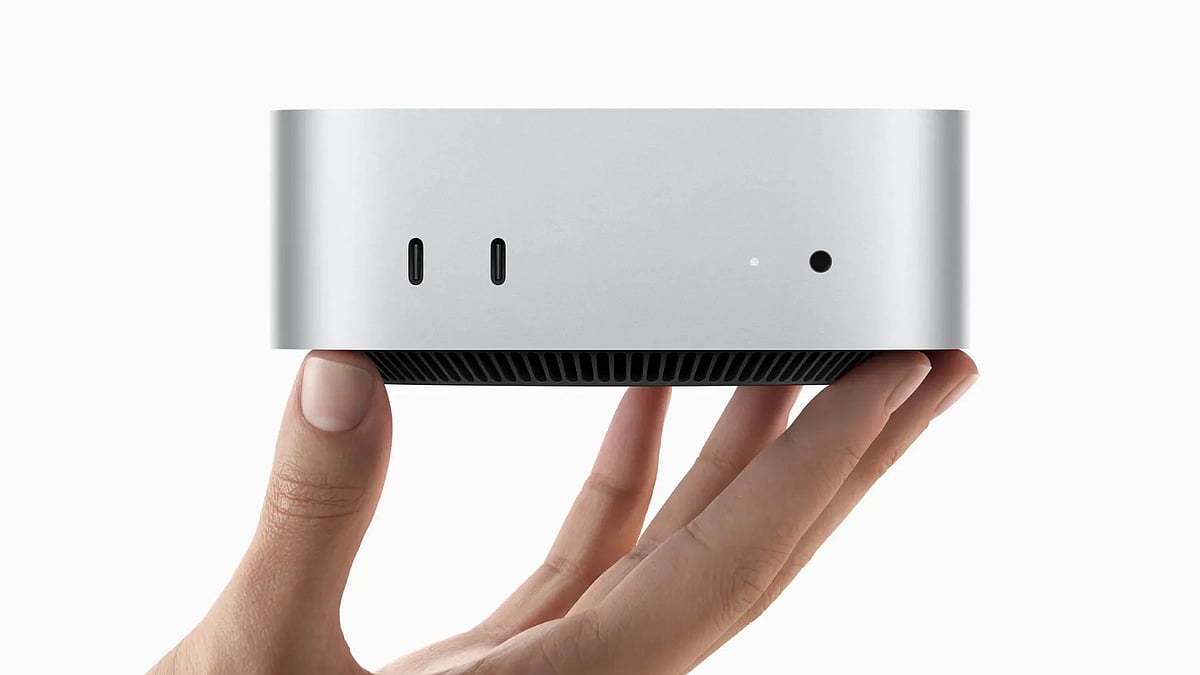
OpenAI has purchased tens of thousands of Apple Mac mini and Mac Studio units in recent months to train reinforcement learning systems and AI agents. This buying spree has led to supply shortages, prompting Apple to release refreshed versions of both machines earlier than expected.
The Mac purchases are separate from the cloud GPU clusters OpenAI typically leases for large-scale model training. Instead, the company prefers Apple's compact desktops for specific reinforcement-learning and computer-use-agent workloads. Apple's unified memory architecture allows the CPU, GPU, and neural engine to draw from a shared memory pool, making the Mac mini and Mac Studio well-suited for running these AI tasks efficiently.
Anthropic, another AI company, is accessing the same class of hardware without buying it outright. Instead, they rent Mac minis through Amazon Web Services for similar workloads. The demand for Mac minis and Mac Studios has caught Apple off guard, prompting the company to announce updated models ahead of its usual schedule.
The updated Mac mini will be built around Apple's M6 chip, and the Mac Studio refresh will feature an M5 Ultra option. This will add capability for linking multiple machines together to handle larger AI workloads. However, everyday buyers are facing longer wait times due to the corporate buying and broader run on the two product lines.
Buyers attempting to order Mac minis or Mac Studios with higher RAM configurations are facing delivery delays stretching well beyond Apple's usual turnaround times. Some reports indicate wait times climbing from around two weeks to nearly two months for the Mac Studio. Industry commentary attributes part of this squeeze to growing interest in running AI models locally rather than through cloud services, in addition to enterprise-scale purchases by AI companies.
The scramble for Mac hardware comes alongside separate shortages in the AI-PC chip market. Nvidia's newly launched RTX Spark chips have sold out to distributors even before reaching store shelves. This points to AI labs and PC makers competing for any hardware capable of running AI models locally, at a time when memory component shortages are already pushing up prices across the broader PC market.
The surge in demand for Mac minis and Mac Studios is part of a wider trend of AI companies seeking to run AI models locally. This trend is driven by the need for more efficient and secure processing of large datasets. As AI technology continues to evolve, the demand for specialized hardware like the Mac mini and Mac Studio is likely to increase, leading to further shortages and supply chain disruptions.
In response to the shortages, Apple is fast-tracking the production of new Mac mini and Mac Studio models. The company is also exploring alternative supply chains to mitigate the impact of the shortages. However, the shortages are likely to continue in the short term, affecting not only individual buyers but also businesses and organizations that rely on Mac hardware for their operations.
The situation highlights the challenges faced by companies like Apple in meeting the surging demand for specialized hardware. As the AI industry continues to grow, companies will need to adapt their supply chains and production processes to meet the increasing demand for hardware capable of running AI models locally. This will require significant investments in research and development, as well as strategic partnerships with suppliers and manufacturers.
In conclusion, OpenAI's massive purchase of Mac minis and Mac Studios has led to supply shortages, prompting Apple to fast-track new models. The demand for specialized hardware is driving a wider trend of AI companies seeking to run AI models locally, leading to shortages and supply chain disruptions. As the AI industry continues to evolve, companies will need to adapt to meet the increasing demand for hardware capable of running AI models locally.
The impact of the shortages will be felt across the industry, from individual buyers to businesses and organizations. However, the trend towards running AI models locally is likely to continue, driven by the need for more efficient and secure processing of large datasets. As companies like Apple and Nvidia continue to innovate and adapt to the changing landscape, the demand for specialized hardware is likely to increase, leading to new opportunities and challenges in the AI industry.
The future of the AI industry will be shaped by the ability of companies to meet the surging demand for specialized hardware. As the industry continues to grow and evolve, companies will need to invest in research and development, strategic partnerships, and supply chain management to stay ahead of the curve. The shortages and supply chain disruptions caused by OpenAI's massive purchase of Mac minis and Mac Studios are just the beginning of a wider trend that will shape the future of the AI industry.
Frequently asked questions
Why is OpenAI buying so many Mac Minis?
OpenAI is buying Mac Minis to train reinforcement learning systems and AI agents that operate computers on their own.
How will the shortages affect everyday buyers?
Everyday buyers will face longer wait times and delivery delays due to the corporate buying and broader run on the two product lines.