Arctic Ice Thickens with Seawater Spray
Scientists find promising results in Arctic ice preservation, but challenges remain.

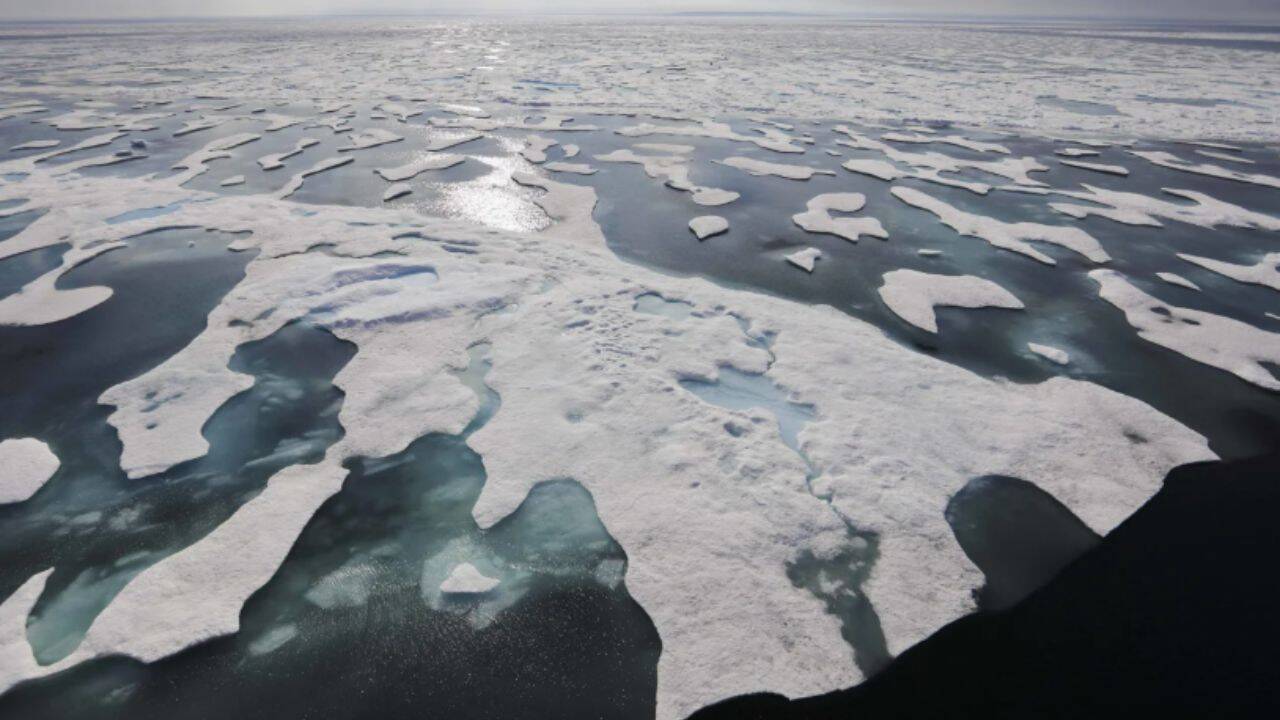
In a groundbreaking experiment, scientists have successfully thickened Arctic ice by spraying seawater onto its surface. The treatment resulted in the ice becoming more reflective and resistant to summer melting. This innovative approach was tested in a controlled environment and showed promising initial results, with the treated ice demonstrating increased thickness and durability.
The scientists involved in the study believe that this method could offer a viable alternative to more controversial geoengineering techniques that have been proposed for preserving Arctic ice. By utilizing a natural and readily available resource like seawater, this approach may help to mitigate some of the concerns associated with more invasive geoengineering methods.
According to the researchers, the treated ice exhibited improved reflectivity, which is critical for maintaining its thickness and preventing excessive melting during the summer months. This is a significant finding, as it suggests that this technique could be used to help preserve Arctic ice and potentially slow the rate of climate change.
However, while the initial results are promising, the scientists also note that there are significant challenges to be overcome before this technique can be implemented on a large scale. Further research is needed to determine the feasibility of this approach and to address the logistical and practical considerations that would be involved in deploying it across the vast and remote Arctic region.
The potential impact of this technique, if successfully implemented, could be substantial. Preserving Arctic ice is critical for maintaining global climate stability, and the loss of this ice has significant implications for sea levels, ocean currents, and weather patterns. By developing effective methods for preserving Arctic ice, scientists may be able to help mitigate some of the most severe consequences of climate change.
As researchers continue to explore and refine this technique, they will need to carefully consider the potential risks and benefits associated with its implementation. While the initial results are promising, it is essential to approach this technology with caution and to ensure that any large-scale deployment is carefully planned and executed.
The next steps for this research will involve further testing and evaluation of the technique, as well as the development of strategies for overcoming the challenges associated with its implementation. As the scientific community continues to explore innovative solutions for preserving Arctic ice, this technique may offer a valuable contribution to the ongoing efforts to address the pressing issue of climate change.