Magnetic Test Detects Amoxicillin Allergy with 98% Sensitivity
New test detects amoxicillin allergy. High sensitivity rate reported.
'%3E%3Crect%20width%3D'96'%20height%3D'96'%20fill%3D'%23B3261E'%2F%3E%3Ccircle%20cx%3D'30'%20cy%3D'24'%20r%3D'44'%20fill%3D'%23fff'%20opacity%3D'.12'%2F%3E%3Ccircle%20cx%3D'60'%20cy%3D'74'%20r%3D'40'%20fill%3D'%23000'%20opacity%3D'.10'%2F%3E%3C%2Fg%3E%3Cg%20fill%3D'%23fff'%3E%3Crect%20x%3D'29'%20y%3D'49'%20width%3D'8'%20height%3D'19'%20rx%3D'1'%2F%3E%3Crect%20x%3D'39'%20y%3D'40'%20width%3D'9'%20height%3D'28'%20rx%3D'1'%2F%3E%3Crect%20x%3D'50'%20y%3D'45'%20width%3D'8'%20height%3D'23'%20rx%3D'1'%2F%3E%3Crect%20x%3D'60'%20y%3D'53'%20width%3D'7'%20height%3D'15'%20rx%3D'1'%2F%3E%3Crect%20x%3D'41'%20y%3D'34'%20width%3D'5'%20height%3D'6'%2F%3E%3C%2Fg%3E%3C%2Fsvg%3E)
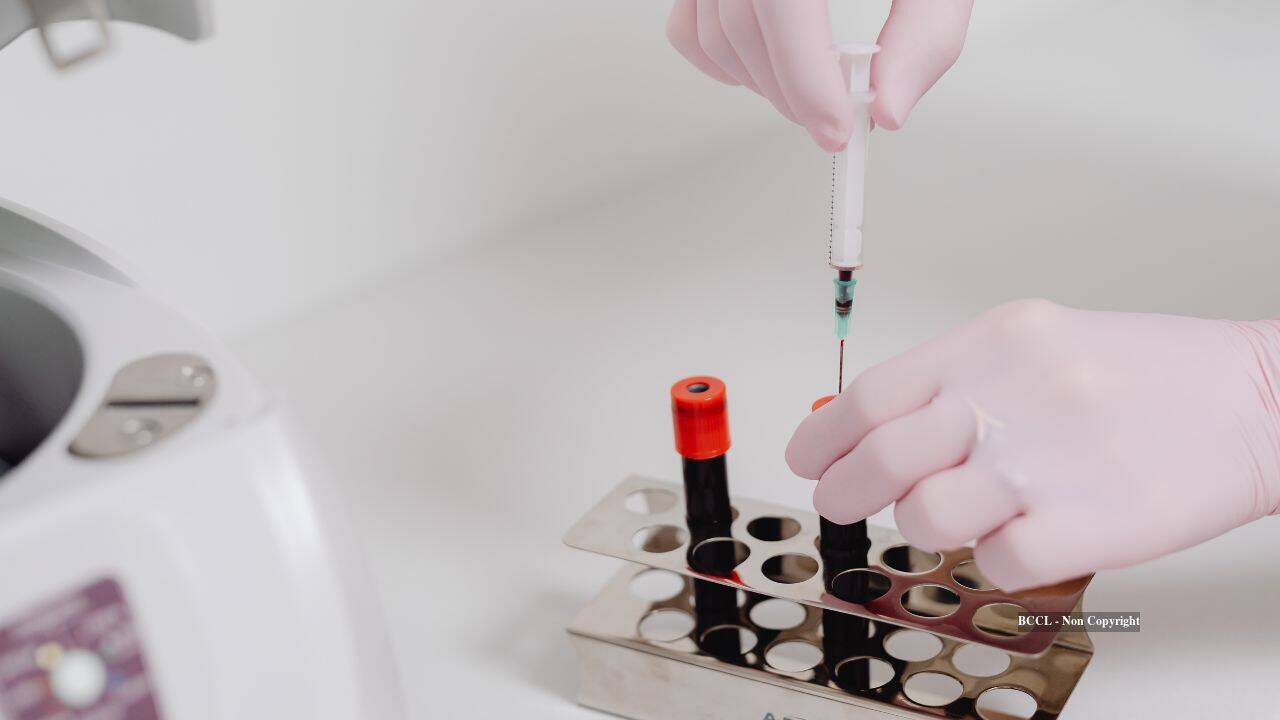
A new magnetic-particle test has been developed to detect amoxicillin allergy with a high degree of accuracy. The test boasts an impressive 98% sensitivity rate, making it a significant breakthrough in the field of allergy diagnosis.
The test uses magnetic particles to identify the presence of specific antibodies in the blood that are associated with amoxicillin allergy. This innovative approach enables healthcare professionals to quickly and accurately diagnose patients who may be allergic to the commonly used antibiotic.
Amoxicillin is a widely prescribed antibiotic used to treat a range of bacterial infections. However, some individuals may be allergic to the medication, which can cause a range of symptoms from mild to severe. Early detection of amoxicillin allergy is crucial to prevent adverse reactions and ensure patient safety.
The development of this new test is a significant step forward in the diagnosis of amoxicillin allergy. Traditional diagnostic methods often rely on skin prick tests or blood tests that measure immunoglobulin E (IgE) levels. While these methods are effective, they can be time-consuming and may not always provide accurate results.
The magnetic-particle test offers several advantages over traditional methods. It is faster, more accurate, and can be performed using a small blood sample. This makes it an attractive option for healthcare professionals who need to quickly diagnose patients and provide appropriate treatment.
The high sensitivity rate of the test is a major advantage, as it reduces the risk of false negatives. This means that patients who are allergic to amoxicillin are more likely to be correctly diagnosed, reducing the risk of adverse reactions.
The development of this new test highlights the importance of ongoing research and innovation in the field of allergy diagnosis. As new technologies and methods become available, healthcare professionals will be better equipped to diagnose and treat patients with allergies, improving patient outcomes and reducing the risk of adverse reactions.
The impact of this new test will be significant, particularly in hospitals and clinics where amoxicillin is commonly prescribed. By providing a fast and accurate diagnosis, healthcare professionals can ensure that patients receive the most effective treatment while minimizing the risk of adverse reactions.
In conclusion, the new magnetic-particle test for amoxicillin allergy is a major breakthrough in the field of allergy diagnosis. Its high sensitivity rate, speed, and accuracy make it an attractive option for healthcare professionals, and its development highlights the importance of ongoing research and innovation in this field.
The significance of this test extends beyond the medical field, as it has the potential to improve patient outcomes and reduce the risk of adverse reactions. As the test becomes more widely available, it is likely to have a major impact on the way amoxicillin allergy is diagnosed and treated, ultimately leading to better patient care and improved health outcomes.
Frequently asked questions
What is the sensitivity rate of the new magnetic-particle test for amoxicillin allergy?
The sensitivity rate of the new magnetic-particle test for amoxicillin allergy is 98%.
How does the magnetic-particle test work?
The test uses magnetic particles to identify the presence of specific antibodies in the blood that are associated with amoxicillin allergy.