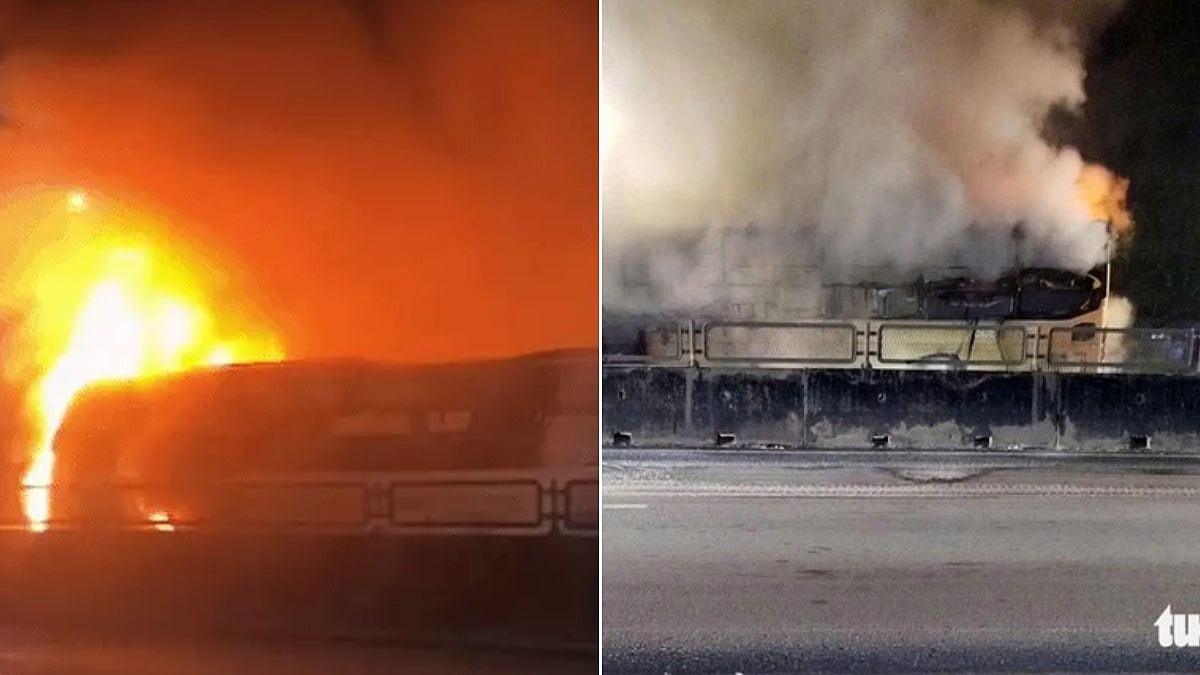
Sikkim Tunnel Collapse Kills 9, Traps 18-20
Tragedy in Sikkim, tunnel collapse, many trapped, rescue efforts hindered
'%3E%3Crect%20width%3D'96'%20height%3D'96'%20fill%3D'%23B3261E'%2F%3E%3Ccircle%20cx%3D'30'%20cy%3D'24'%20r%3D'44'%20fill%3D'%23fff'%20opacity%3D'.12'%2F%3E%3Ccircle%20cx%3D'60'%20cy%3D'74'%20r%3D'40'%20fill%3D'%23000'%20opacity%3D'.10'%2F%3E%3C%2Fg%3E%3Cg%20fill%3D'%23fff'%3E%3Crect%20x%3D'29'%20y%3D'49'%20width%3D'8'%20height%3D'19'%20rx%3D'1'%2F%3E%3Crect%20x%3D'39'%20y%3D'40'%20width%3D'9'%20height%3D'28'%20rx%3D'1'%2F%3E%3Crect%20x%3D'50'%20y%3D'45'%20width%3D'8'%20height%3D'23'%20rx%3D'1'%2F%3E%3Crect%20x%3D'60'%20y%3D'53'%20width%3D'7'%20height%3D'15'%20rx%3D'1'%2F%3E%3Crect%20x%3D'41'%20y%3D'34'%20width%3D'5'%20height%3D'6'%2F%3E%3C%2Fg%3E%3C%2Fsvg%3E)
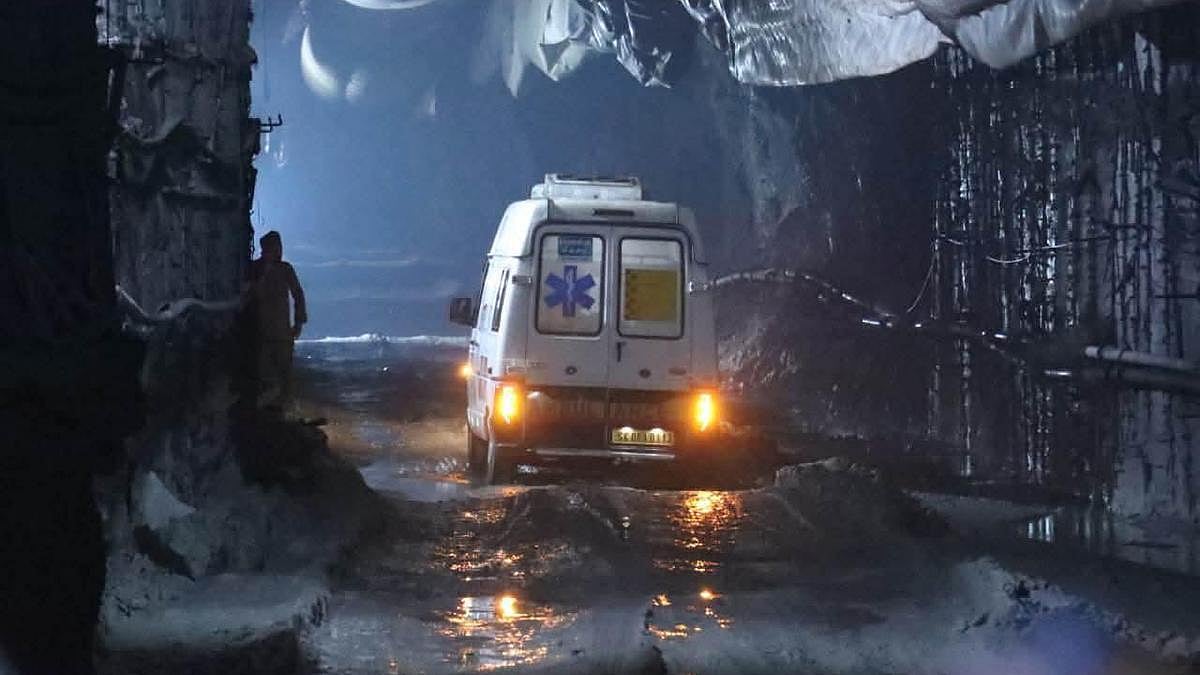
A massive landslide triggered by heavy rainfall in Sikkim's Namchi district collapsed an under-construction tunnel at the Teesta Stage-VI Hydroelectric Project on Monday, killing at least nine people and trapping 18-20 personnel underground. The tunnel, roughly 3 kilometres underground, is part of a 7-kilometre shaft.
The joint rescue operation, involving the National Disaster Response Force, State Disaster Response Force, Sikkim Police, fire department, and volunteers, is facing significant challenges due to shifting debris, rain-soaked earth, and suspected toxic gas leaks, primarily methane.
Methane gas is not toxic in the traditional sense but acts as a simple asphyxiant, displacing breathable air and oxygen necessary to sustain human life. Medical experts warn that oxygen depletion can quickly damage vital organs, and early exposure symptoms include dizziness, headaches, and unusual fatigue.
Dr Manas Mengar, Senior Consultant in Pulmonology at KIMS Hospitals in Thane, explains that as oxygen levels drop, it becomes difficult for the brain to function normally, leading to breathlessness, confusion, and loss of consciousness. The physiological impact escalates when body tissues are starved of oxygen, a condition known as hypoxia.
The rescue operation is continuing with safety precautions, and so far, 10 bodies have been recovered. The possibility of more people being trapped remains, and teams are working tirelessly to locate and rescue those still underground.
The incident highlights the hidden dangers of underground tunnelling and the importance of ensuring safe working conditions. The National Hydroelectric Power Corporation and project developer Patel Engineering were conducting a routine inspection when the accident occurred.
The rescue efforts are being hindered by the challenging tunnel conditions, and the teams are working to overcome these obstacles to reach those trapped. The situation is critical, and every minute counts in the race against time to rescue those still underground.
The incident has brought attention to the risks associated with underground construction and the need for robust safety measures to prevent such tragedies. The rescue operation is ongoing, and the fate of those trapped remains uncertain.
In the meantime, medical experts are emphasizing the importance of constant oxygen supply and the dangers of methane accumulation in enclosed spaces. Dr Geetanjali Patil, Consultant Pulmonologist at Ruby Hall Clinic in Pune, highlights the critical need for proper ventilation to prevent hypoxia and ensure the safety of those working in underground environments.
The Sikkim tunnel collapse is a tragic reminder of the risks involved in underground construction and the need for prompt and effective rescue operations in emergency situations.
As the rescue efforts continue, the focus remains on locating and rescuing those still trapped, and the situation is being closely monitored by the authorities. The incident has also raised concerns about the safety of underground construction projects and the need for stricter safety protocols to prevent such accidents in the future.
The rescue operation is a complex and challenging task, and the teams involved are working tirelessly to overcome the obstacles and reach those trapped. The situation is critical, and every effort is being made to rescue those still underground and bring them to safety.
The Sikkim tunnel collapse is a devastating incident that has resulted in the loss of lives and highlighted the importance of ensuring safe working conditions in underground construction projects. The incident will likely have significant implications for the safety protocols and emergency response measures in place for such projects.
In conclusion, the Sikkim tunnel collapse is a tragic incident that has brought attention to the risks associated with underground construction and the need for robust safety measures to prevent such tragedies. The rescue operation is ongoing, and the fate of those trapped remains uncertain. The incident has highlighted the importance of ensuring safe working conditions and the need for prompt and effective rescue operations in emergency situations.
Frequently asked questions
What is the current status of the rescue operation in Sikkim?
The rescue operation is ongoing, and teams are working to locate and rescue those still trapped.
What are the effects of methane gas on the human body?
Methane gas acts as a simple asphyxiant, displacing breathable air and oxygen necessary to sustain human life, leading to hypoxia and damage to vital organs.