£170,000 Annexe Faces Demolition After Planning Appeal Loss
A mother's £170,000 annexe for her disabled daughter may be demolished. The annexe was built for independence and accessibility.
'%3E%3Crect%20width%3D'96'%20height%3D'96'%20fill%3D'%23B3261E'%2F%3E%3Ccircle%20cx%3D'30'%20cy%3D'24'%20r%3D'44'%20fill%3D'%23fff'%20opacity%3D'.12'%2F%3E%3Ccircle%20cx%3D'60'%20cy%3D'74'%20r%3D'40'%20fill%3D'%23000'%20opacity%3D'.10'%2F%3E%3C%2Fg%3E%3Cg%20fill%3D'%23fff'%3E%3Crect%20x%3D'29'%20y%3D'49'%20width%3D'8'%20height%3D'19'%20rx%3D'1'%2F%3E%3Crect%20x%3D'39'%20y%3D'40'%20width%3D'9'%20height%3D'28'%20rx%3D'1'%2F%3E%3Crect%20x%3D'50'%20y%3D'45'%20width%3D'8'%20height%3D'23'%20rx%3D'1'%2F%3E%3Crect%20x%3D'60'%20y%3D'53'%20width%3D'7'%20height%3D'15'%20rx%3D'1'%2F%3E%3Crect%20x%3D'41'%20y%3D'34'%20width%3D'5'%20height%3D'6'%2F%3E%3C%2Fg%3E%3C%2Fsvg%3E)
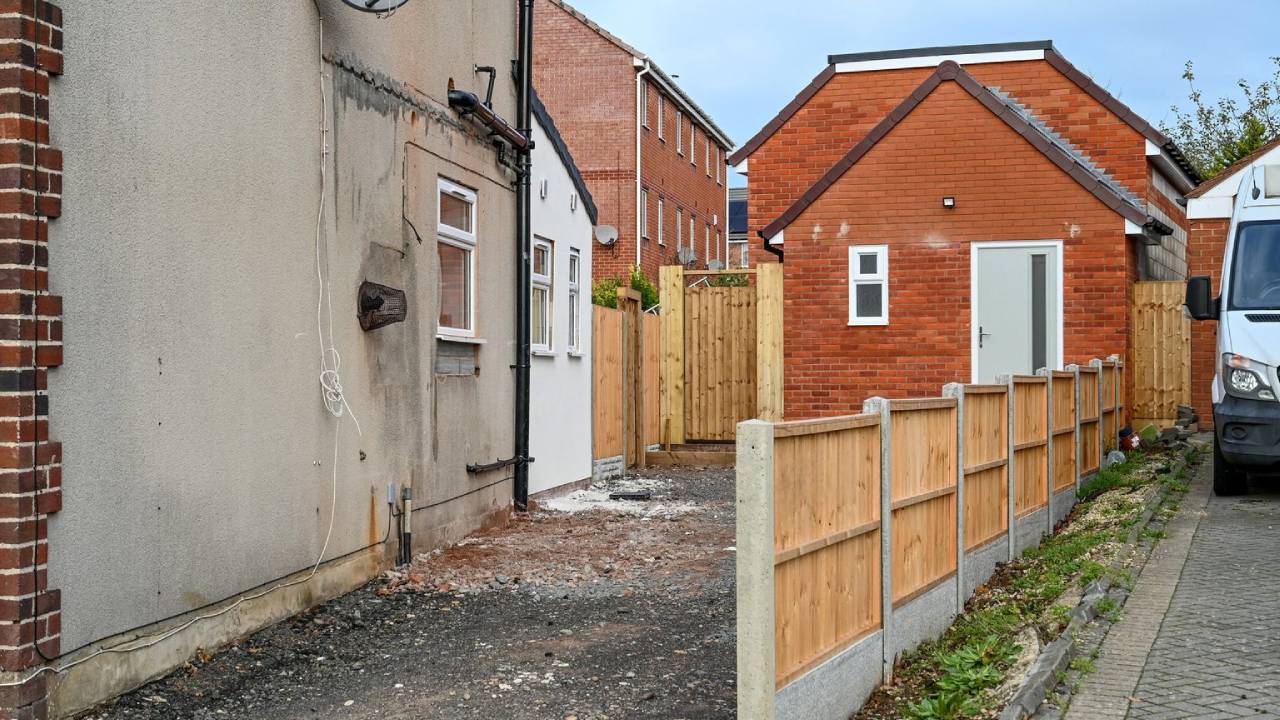
A mother in Worcester, England, is facing the possibility of demolishing a £170,000 annexe she built for her disabled daughter after losing a planning appeal. Clair Birch, 59, constructed the one-bedroom annexe in the garden of her semi-detached home to provide her daughter with more independence and to meet her specific needs.
The annexe, a two-storey building, was designed with the daughter's requirements in mind, aiming to give her a sense of autonomy and self-sufficiency. However, the construction of the annexe has been met with complaints, leading to a planning appeal.
The planning appeal process has concluded, with the decision going against Clair Birch. As a result, she may be forced to demolish the annexe, which would not only be a significant financial loss but also a setback for her daughter's independence.
Clair Birch's situation highlights the challenges faced by families with disabled members in creating suitable living arrangements. The annexe was built with the best intentions, but it has become embroiled in a planning dispute.
The local planning authority's decision to reject the appeal has sparked concerns about the support available for families with disabled members. The authority's rules and regulations are in place to maintain the character of the area and ensure that developments are in line with the local plan.
However, cases like Clair Birch's raise questions about the need for more flexible and compassionate planning policies. The annexe was built to improve the quality of life for Clair Birch's daughter, and its demolition would undermine this goal.
The situation is a complex one, with competing interests and priorities at play. On one hand, there is the need to protect the character of the area and ensure that developments are in line with the local plan. On the other hand, there is the need to support families with disabled members and provide them with the necessary accommodations to live independently.
As the situation unfolds, it remains to be seen what the final outcome will be. Clair Birch may be able to appeal the decision further or explore alternative solutions. However, for now, the future of the £170,000 annexe remains uncertain.
The case serves as a reminder of the importance of considering the needs of all members of the community, including those with disabilities. It highlights the need for more inclusive and supportive planning policies that balance the needs of different stakeholders.
In conclusion, the potential demolition of the £170,000 annexe is a significant concern for Clair Birch and her daughter. The situation raises important questions about planning policies and the support available for families with disabled members. As the case continues to unfold, it will be important to consider the needs and interests of all parties involved.
Frequently asked questions
Why was the annexe built?
The annexe was built to provide Clair Birch's disabled daughter with more independence and to meet her specific needs.
What is the current status of the annexe?
The annexe faces demolition after Clair Birch lost a planning appeal.