India Needs 1.25M EV Charging Stations by 2030
India faces EV charging gap, needs more stations
'%3E%3Crect%20width%3D'96'%20height%3D'96'%20fill%3D'%23B3261E'%2F%3E%3Ccircle%20cx%3D'30'%20cy%3D'24'%20r%3D'44'%20fill%3D'%23fff'%20opacity%3D'.12'%2F%3E%3Ccircle%20cx%3D'60'%20cy%3D'74'%20r%3D'40'%20fill%3D'%23000'%20opacity%3D'.10'%2F%3E%3C%2Fg%3E%3Cg%20fill%3D'%23fff'%3E%3Crect%20x%3D'29'%20y%3D'49'%20width%3D'8'%20height%3D'19'%20rx%3D'1'%2F%3E%3Crect%20x%3D'39'%20y%3D'40'%20width%3D'9'%20height%3D'28'%20rx%3D'1'%2F%3E%3Crect%20x%3D'50'%20y%3D'45'%20width%3D'8'%20height%3D'23'%20rx%3D'1'%2F%3E%3Crect%20x%3D'60'%20y%3D'53'%20width%3D'7'%20height%3D'15'%20rx%3D'1'%2F%3E%3Crect%20x%3D'41'%20y%3D'34'%20width%3D'5'%20height%3D'6'%2F%3E%3C%2Fg%3E%3C%2Fsvg%3E)
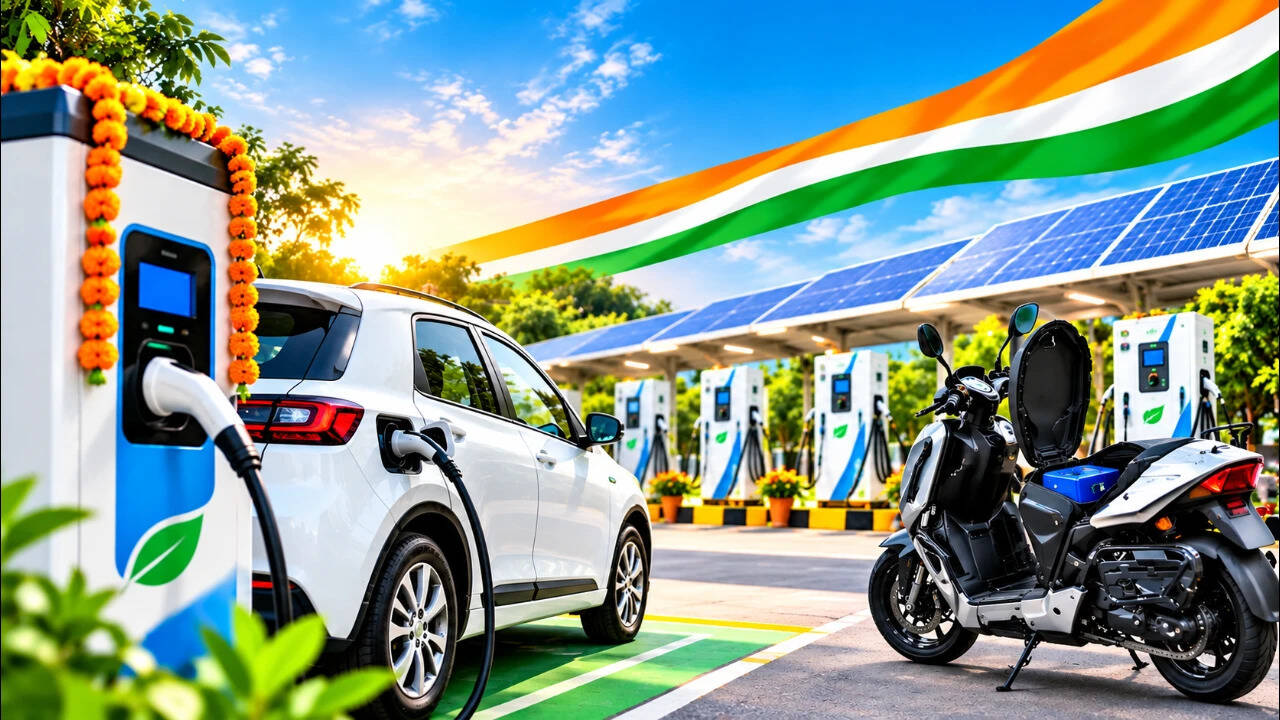
India is projected to require an additional 1.25 million electric vehicle charging stations by 2030 to support its electric dreams. Currently, the country has only 67,000 public EV charging points, which are limited to just ten states. This limited infrastructure may pose challenges for EV owners, particularly during longer trips.
The slower charging speeds provided by many of these public chargers can make long-distance travel difficult. Furthermore, the lack of charging infrastructure in smaller urban areas can deter investments in these regions. Home charging is an option for individuals with private parking, but operators struggle with low usage rates, making it challenging to invest in more charging stations.
The Indian government has set ambitious targets for the adoption of electric vehicles, aiming to have 30% of all new vehicle sales be electric by 2030. However, the lack of charging infrastructure is a significant hurdle that needs to be addressed. The government and private companies are working to increase the number of charging stations, but more needs to be done to meet the projected demand.
The limited availability of charging stations is not the only challenge facing the EV industry in India. The slower charging speeds provided by many public chargers can make long-distance travel difficult, and the lack of standardization in charging technologies can make it challenging for EV owners to find compatible charging stations.
Despite these challenges, the Indian government is committed to promoting the adoption of electric vehicles. The government has announced several initiatives, including tax incentives and subsidies, to encourage the adoption of EVs. Additionally, several private companies are investing in the development of EV charging infrastructure, which is expected to help bridge the gap in the coming years.
The development of EV charging infrastructure is crucial for the success of India's electric vehicle ambitions. The government and private companies need to work together to increase the number of charging stations, improve charging speeds, and standardize charging technologies. This will help to promote the adoption of EVs and reduce the country's dependence on fossil fuels.
In conclusion, while India has made significant progress in promoting the adoption of electric vehicles, the lack of charging infrastructure remains a significant challenge. The government and private companies need to work together to address this challenge and ensure that the country has the necessary infrastructure to support its electric dreams.
The future of electric vehicles in India looks promising, with the government and private companies working together to promote the adoption of EVs. However, the development of EV charging infrastructure is crucial for the success of these efforts. With the right investments and initiatives, India can overcome the challenges facing the EV industry and achieve its ambitious targets for the adoption of electric vehicles.
The Indian government's commitment to promoting the adoption of electric vehicles is evident in its policies and initiatives. The government has set ambitious targets for the adoption of EVs, and several private companies are investing in the development of EV charging infrastructure. With the right support and investments, India can become a leader in the EV industry and reduce its dependence on fossil fuels.
In the coming years, India is expected to see significant growth in the EV industry, with more companies investing in the development of EVs and charging infrastructure. The government's initiatives and policies are expected to play a crucial role in promoting the adoption of EVs, and the development of EV charging infrastructure is expected to help bridge the gap in the coming years.
The growth of the EV industry in India is expected to have a significant impact on the environment, with a reduction in greenhouse gas emissions and air pollution. The adoption of EVs is also expected to reduce the country's dependence on fossil fuels, which will help to improve energy security and reduce the trade deficit.
In the end, the development of EV charging infrastructure is crucial for the success of India's electric vehicle ambitions. The government and private companies need to work together to address the challenges facing the EV industry and ensure that the country has the necessary infrastructure to support its electric dreams.
Frequently asked questions
How many EV charging stations does India need by 2030?
India needs an additional 1.25 million EV charging stations by 2030.
What is the current number of public EV charging points in India?
There are currently 67,000 public EV charging points in India, limited to just ten states.