US Probes Nvidia's Deal With Groq
Nvidia's deal with AI chipmaker Groq under scrutiny, US Justice Department examines antitrust review
'%3E%3Crect%20width%3D'96'%20height%3D'96'%20fill%3D'%23B3261E'%2F%3E%3Ccircle%20cx%3D'30'%20cy%3D'24'%20r%3D'44'%20fill%3D'%23fff'%20opacity%3D'.12'%2F%3E%3Ccircle%20cx%3D'60'%20cy%3D'74'%20r%3D'40'%20fill%3D'%23000'%20opacity%3D'.10'%2F%3E%3C%2Fg%3E%3Cg%20fill%3D'%23fff'%3E%3Crect%20x%3D'29'%20y%3D'49'%20width%3D'8'%20height%3D'19'%20rx%3D'1'%2F%3E%3Crect%20x%3D'39'%20y%3D'40'%20width%3D'9'%20height%3D'28'%20rx%3D'1'%2F%3E%3Crect%20x%3D'50'%20y%3D'45'%20width%3D'8'%20height%3D'23'%20rx%3D'1'%2F%3E%3Crect%20x%3D'60'%20y%3D'53'%20width%3D'7'%20height%3D'15'%20rx%3D'1'%2F%3E%3Crect%20x%3D'41'%20y%3D'34'%20width%3D'5'%20height%3D'6'%2F%3E%3C%2Fg%3E%3C%2Fsvg%3E)
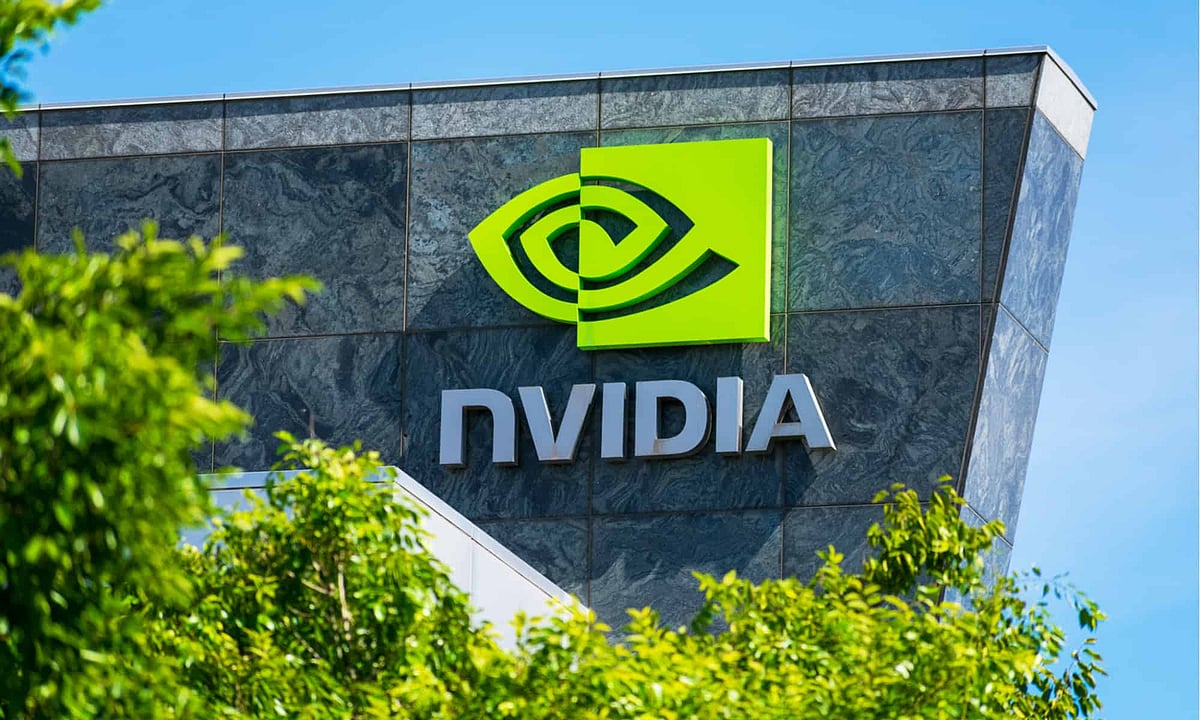
The US Department of Justice has launched an investigation into Nvidia's licensing deal with AI chipmaker Groq, announced in December. The deal, described as a non-exclusive licensing agreement, gave Nvidia access to Groq's AI-specific chips and resulted in the transfer of Groq's chief executive Jonathan Ross and chief operating officer Sunny Madra to Nvidia.
The Justice Department's inquiry aims to determine whether Nvidia structured the deal to avoid antitrust review. The investigation was opened shortly after the deal was made public, and Nvidia has been sent a formal request for information. If wrongdoing is found, the agency could impose a fine on Nvidia, but it is unlikely to unwind the deal.
Nvidia has responded to the investigation, stating that the deal reflects the American system functioning as intended, rewarding entrepreneurs and benefiting consumers. The company's spokesperson, John Rizzo, emphasized that the law is meant to protect the rights of inventors and workers to pursue new ventures.
Despite the deal, Groq continues to operate independently, selling cloud computing services and raising $350 million in a funding round in August. Nvidia planned to participate in the funding round, demonstrating its ongoing support for the company.
The scrutiny comes as Nvidia expands its influence in the tech industry, becoming a major financial backer across Silicon Valley. The company's chief executive, Jensen Huang, has close ties with President Trump, who has praised Huang for his work in the AI sector. Nvidia's growing presence in the industry has raised concerns about its potential impact on competition and innovation.
The investigation highlights the increasing reliance on deals combining technology licensing with the hiring of key personnel, rather than traditional mergers and acquisitions. This structure often avoids automatic government review, but it can also raise concerns about the potential for anticompetitive behavior.
As the investigation continues, Nvidia's expanding influence in the tech industry will be closely watched. The company's valuation has reached $5.4 trillion, making it a significant player in the sector. The outcome of the investigation will have implications for Nvidia's future dealings and the broader tech industry.
In conclusion, the US Justice Department's investigation into Nvidia's deal with Groq reflects the growing scrutiny of the tech industry's practices and the need to ensure fair competition and innovation. The outcome of the investigation will be closely watched, and its implications will be felt across the industry.
Frequently asked questions
What is the US Justice Department investigating?
The US Justice Department is investigating whether Nvidia structured its deal with Groq to avoid antitrust review.
What is the potential outcome of the investigation?
If wrongdoing is found, the agency could impose a fine on Nvidia, but it is unlikely to unwind the deal.