Bengaluru Tunnel Road Project Hits Snag Over Geological Risks
Geological Survey of India flags risks to Lalbagh, Bengaluru Tunnel Road project faces setback
'%3E%3Crect%20width%3D'96'%20height%3D'96'%20fill%3D'%23B3261E'%2F%3E%3Ccircle%20cx%3D'30'%20cy%3D'24'%20r%3D'44'%20fill%3D'%23fff'%20opacity%3D'.12'%2F%3E%3Ccircle%20cx%3D'60'%20cy%3D'74'%20r%3D'40'%20fill%3D'%23000'%20opacity%3D'.10'%2F%3E%3C%2Fg%3E%3Cg%20fill%3D'%23fff'%3E%3Crect%20x%3D'29'%20y%3D'49'%20width%3D'8'%20height%3D'19'%20rx%3D'1'%2F%3E%3Crect%20x%3D'39'%20y%3D'40'%20width%3D'9'%20height%3D'28'%20rx%3D'1'%2F%3E%3Crect%20x%3D'50'%20y%3D'45'%20width%3D'8'%20height%3D'23'%20rx%3D'1'%2F%3E%3Crect%20x%3D'60'%20y%3D'53'%20width%3D'7'%20height%3D'15'%20rx%3D'1'%2F%3E%3Crect%20x%3D'41'%20y%3D'34'%20width%3D'5'%20height%3D'6'%2F%3E%3C%2Fg%3E%3C%2Fsvg%3E)
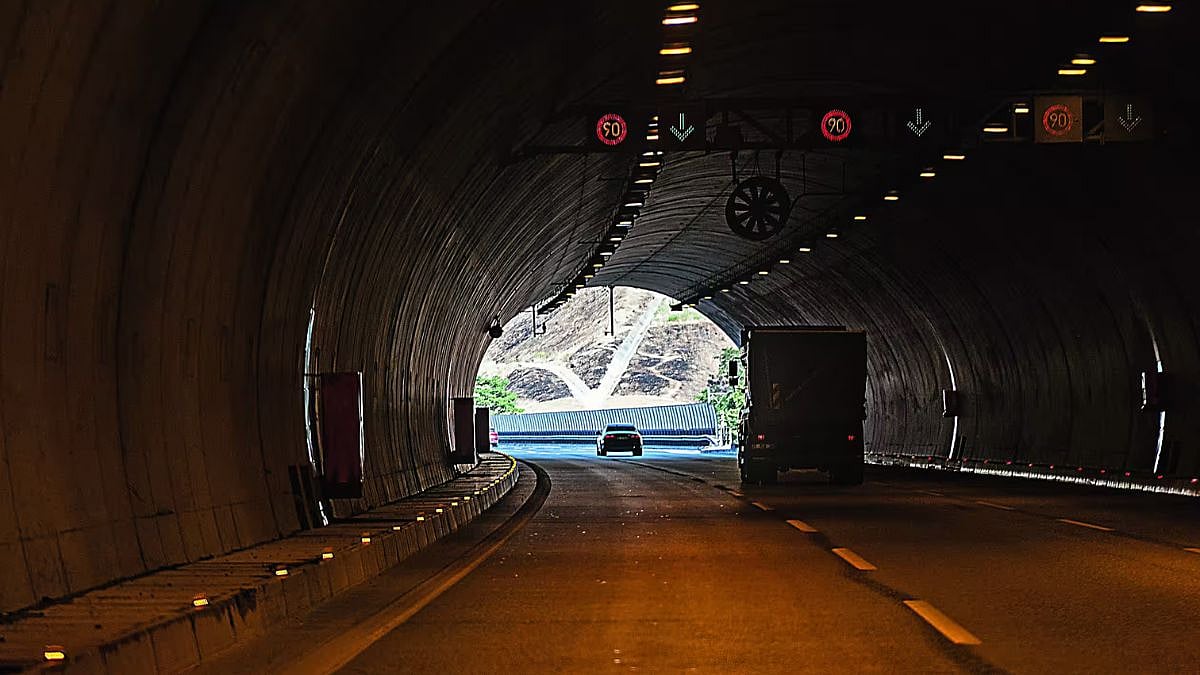
The Bengaluru Tunnel Road project, a major infrastructure initiative in the city, has hit a roadblock after the Geological Survey of India (GSI) raised concerns over geological, structural, and groundwater risks to the iconic Lalbagh botanical garden.
The GSI expert committee report, submitted to the government in April, warned that the tunnelling and excavation work for the project could damage the ancient rock mass in Lalbagh, widen existing cracks, and threaten the Kempegowda tower. The report also highlighted the risks of ground disturbance and changes in groundwater levels.
The tunnel road project, which is estimated to cost ₹22,267 crore, has been controversial since its inception. Bengaluru South Member of Parliament Tejaswi Surya and a group of scientists from the Indian Institute of Science (IISc) have opposed the project, citing concerns over its impact on the environment and the city's infrastructure.
The project involves building a 16.75 km tunnel road between Hebbal and Central Silk Board junction, with the Adani group having bagged the contract. However, the project has been stalled due to opposition from various groups, including civil society organizations that have gone to court against the project.
The GSI report has recommended that the government conduct comprehensive geo-technical investigations and consider three-dimensional geological modelling before proceeding with the project. The report has also acknowledged the representations made by civil society to nominate Lalbagh for the Unesco World Heritage site.
The Bengaluru Tunnel Road project is a major infrastructure initiative aimed at reducing traffic congestion in the city. However, the project's fate now hangs in the balance, with the government forced to reconsider its plans in light of the GSI report.
The opposition to the project has been intense, with many citing concerns over the impact on Lalbagh, which is a popular tourist destination and a vital part of the city's ecosystem. The government's decision to withdraw the Park (Preservation) Amend Bill, 2026, which was seen as an attempt to divert land from Lalbagh for the project, has also been welcomed by opponents of the project.
As the project's fate remains uncertain, the government will have to carefully consider the concerns raised by the GSI report and the opposition from various groups. The project's impact on the environment, infrastructure, and the city's ecosystem will have to be carefully weighed against its potential benefits.
In conclusion, the Bengaluru Tunnel Road project faces a significant setback due to the geological risks flagged by the GSI report. The government will have to take a careful and considered approach to the project, taking into account the concerns raised by various groups and the potential impact on the environment and the city's infrastructure.
The project's outcome will have significant implications for the city's infrastructure and ecosystem. The government's decision will be closely watched by various stakeholders, including civil society organizations, environmental groups, and the citizens of Bengaluru.
Ultimately, the government will have to balance the need for infrastructure development with the need to protect the city's environment and ecosystem. The Bengaluru Tunnel Road project is a test case for the government's ability to manage complex infrastructure projects while minimizing their impact on the environment.
Frequently asked questions
What are the geological risks associated with the Bengaluru Tunnel Road project?
The GSI report has flagged risks of damage to the ancient rock mass in Lalbagh, widening of existing cracks, and threats to the Kempegowda tower, as well as ground disturbance and changes in groundwater levels.
What is the current status of the Bengaluru Tunnel Road project?
The project's fate hangs in the balance, with the government forced to reconsider its plans in light of the GSI report and opposition from various groups.