DMK Skips TVK Govt's Meet on Delimitation Bill
DMK boycotts meeting, calls it political drama. Demands constitutional changes.
'%3E%3Crect%20width%3D'96'%20height%3D'96'%20fill%3D'%231A5276'%2F%3E%3Ccircle%20cx%3D'30'%20cy%3D'24'%20r%3D'44'%20fill%3D'%23fff'%20opacity%3D'.12'%2F%3E%3Ccircle%20cx%3D'60'%20cy%3D'74'%20r%3D'40'%20fill%3D'%23000'%20opacity%3D'.10'%2F%3E%3C%2Fg%3E%3Cg%20fill%3D'%23fff'%3E%3Cpath%20d%3D'M31%2041%20L48%2031%20L65%2041%20Z'%2F%3E%3Crect%20x%3D'33'%20y%3D'43'%20width%3D'4'%20height%3D'17'%2F%3E%3Crect%20x%3D'41'%20y%3D'43'%20width%3D'4'%20height%3D'17'%2F%3E%3Crect%20x%3D'51'%20y%3D'43'%20width%3D'4'%20height%3D'17'%2F%3E%3Crect%20x%3D'59'%20y%3D'43'%20width%3D'4'%20height%3D'17'%2F%3E%3Crect%20x%3D'30'%20y%3D'62'%20width%3D'36'%20height%3D'4'%20rx%3D'1'%2F%3E%3C%2Fg%3E%3C%2Fsvg%3E)
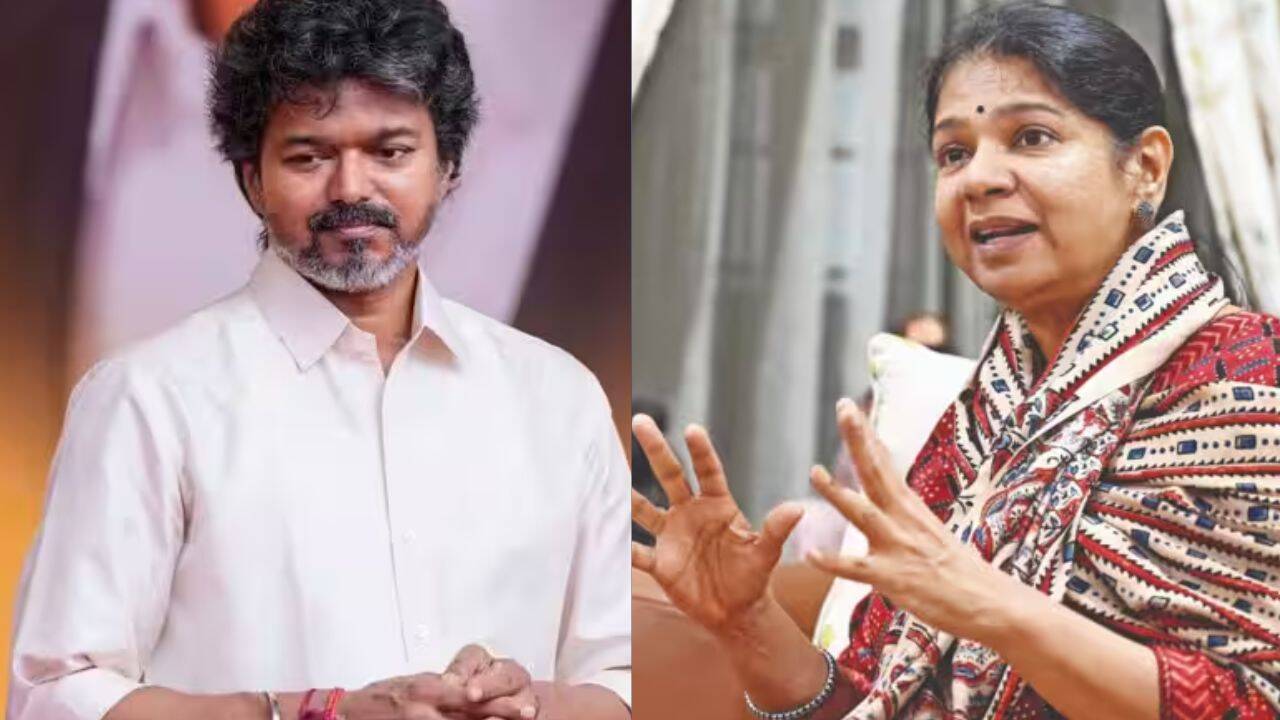
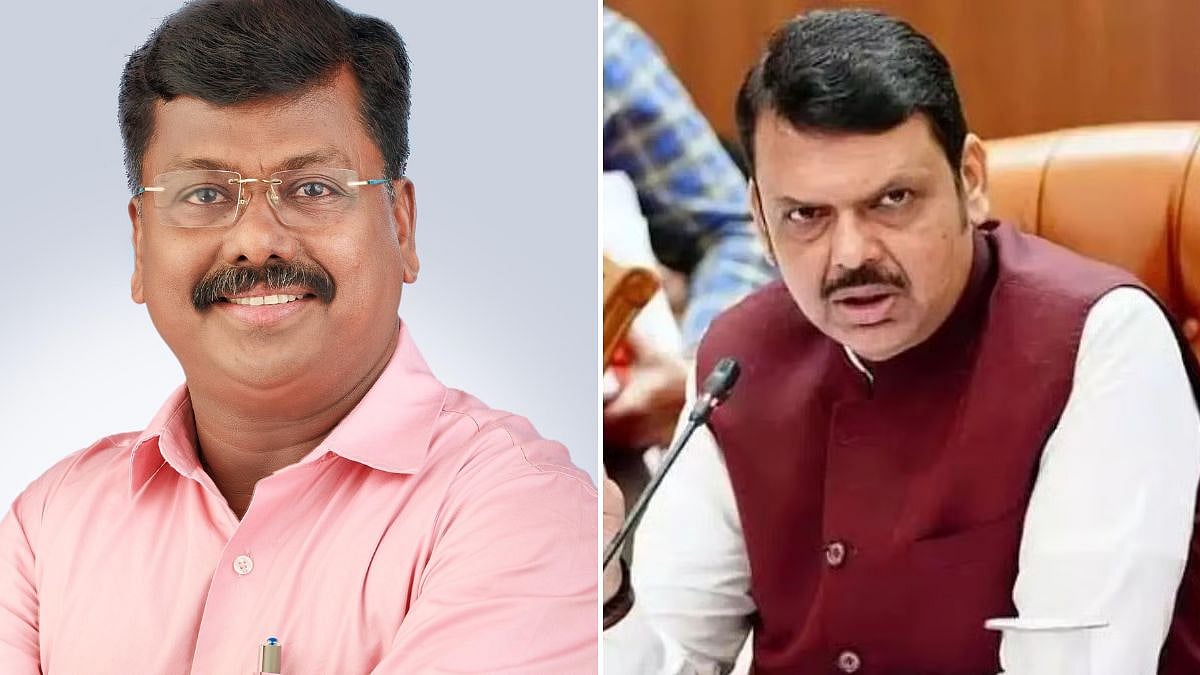
The Dravida Munnetra Kazhagam (DMK) party has announced its decision to skip an all-party meeting of Members of Parliament (MPs) convened by the Tamil Nadu government to discuss the Delimitation Bill.
The meeting, which was organized to consult with various parties on the delimitation of parliamentary constituencies, was labeled as mere 'political drama' by Kanimozhi Karunanidhi, a key DMK leader.
Kanimozhi reiterated the DMK's long-standing stance on the issue of delimitation, emphasizing the need for constitutional changes to ensure fair representation of southern states in the parliament.
The DMK has consistently argued that the current delimitation process would disproportionately affect the southern states, leading to a reduction in their representation in the parliament.
In addition to its concerns over delimitation, the DMK also urged the government to address the ongoing disputes over the Mekedatu dam and Cauvery water sharing.
The party's decision to boycott the meeting is seen as a significant development in the ongoing political landscape of Tamil Nadu.
The Delimitation Bill has been a contentious issue, with various parties expressing concerns over its potential impact on the representation of different states in the parliament.
The DMK's demand for constitutional changes to address the issue of delimitation is likely to gain traction, given the party's significant influence in Tamil Nadu politics.
The outcome of this development is likely to have significant implications for the political landscape of the state and the country as a whole.
In the context of Indian politics, the DMK's stance on delimitation reflects the broader concerns of southern states regarding their representation in the parliament.
The party's emphasis on the need for constitutional changes to address this issue highlights the complexities of India's federal structure and the ongoing debates over representation and governance.
The DMK's boycott of the meeting and its demands for constitutional changes are likely to be closely watched by other political parties and stakeholders, given the potential implications for the country's political landscape.
Frequently asked questions
Why did DMK boycott the all-party meeting on Delimitation Bill?
The DMK labeled the meeting as 'political drama' and reiterated its demand for constitutional changes to ensure fair representation of southern states.
What are the DMK's other demands besides delimitation?
The DMK also urged the government to resolve the ongoing disputes over the Mekedatu dam and Cauvery water sharing.