Supriya Sule Downplays Pawar-Shinde Meeting
Supriya Sule calms MVA tensions, Sanjay Raut feels betrayed, Prithviraj Chavan weighs in.

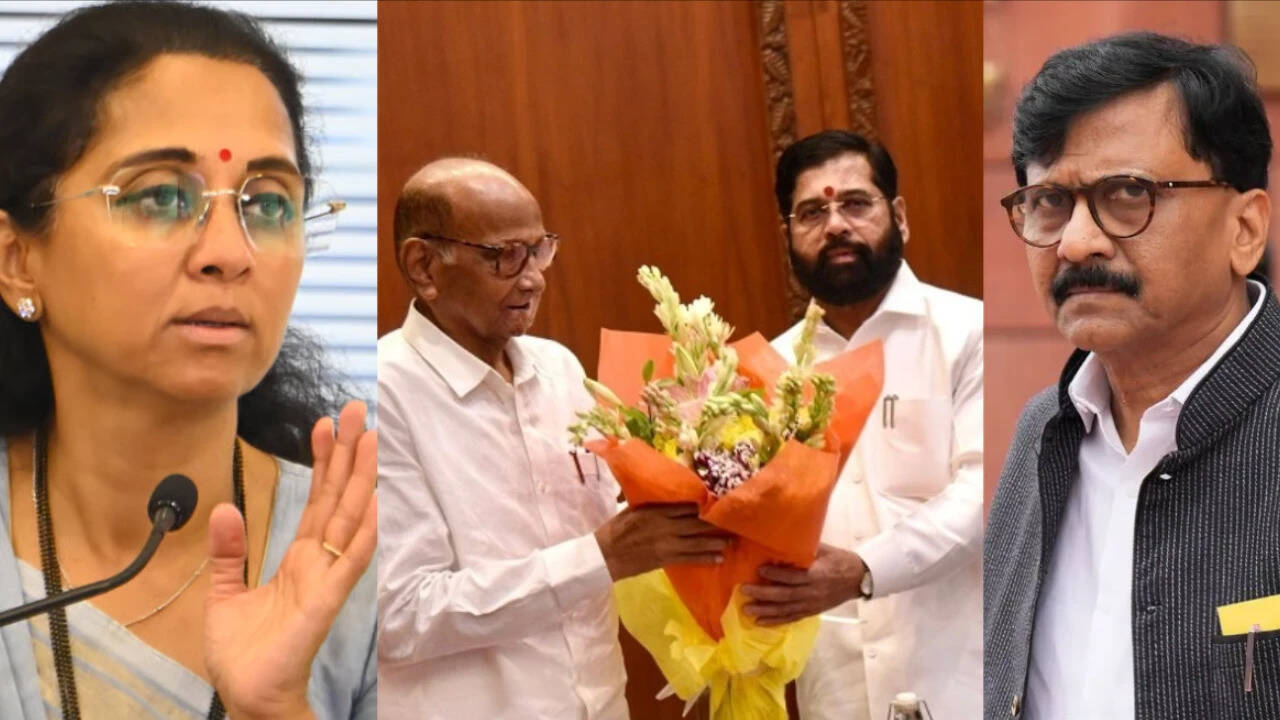
A recent meeting between Sharad Pawar and Eknath Shinde has sparked tension within the Maha Vikas Aghadi (MVA) alliance. The meeting took place between the Nationalist Congress Party (NCP) chief and the Maharashtra Chief Minister, who heads the Shiv Sena faction that broke away from the Uddhav Thackeray-led Shiv Sena (UBT).
Supriya Sule, a key NCP leader, has moved to downplay the significance of the meeting, describing it as a casual interaction. She suggested that the media had blown the encounter out of proportion, implying that it was not a formal discussion with any political implications.
However, not all MVA leaders share Sule's view. Sanjay Raut, a senior Shiv Sena (UBT) leader, expressed feelings of betrayal over the meeting, indicating that it had caused unease within the party. Raut's reaction reflects the concerns of many Shiv Sena (UBT) supporters, who are wary of any perceived closeness between their party's rivals and the NCP.
Prithviraj Chavan, a Congress leader and former Maharashtra Chief Minister, offered a more nuanced perspective. He acknowledged that political adversaries often maintain friendly relationships, even as they oppose each other on the political stage. Chavan's comments recognize the complexities of Indian politics, where personal relationships can sometimes transcend party affiliations.
The MVA alliance, comprising the NCP, Congress, and Shiv Sena (UBT), has been facing internal tensions in recent months. The meeting between Pawar and Shinde has brought these tensions to the fore, with some leaders questioning the NCP's commitment to the alliance.
The NCP has been a key player in the MVA, with Sharad Pawar playing a crucial role in holding the alliance together. However, the party's relationships with its allies have been tested in recent times, particularly over issues like cabinet berths and political influence.
As the MVA navigates these challenges, leaders like Supriya Sule are working to calm tensions and reassure allies of their commitment to the alliance. The success of these efforts will depend on the ability of MVA leaders to manage their differences and present a united front against their political opponents.
The meeting between Pawar and Shinde may have been a casual interaction, but it has significant implications for the MVA alliance. As Maharashtra's political landscape continues to evolve, the relationships between key players like the NCP, Shiv Sena (UBT), and Congress will be closely watched. The ability of these parties to work together will be crucial in determining the state's political future.