Sonam Wangchuk Stable But Dehydrated After 21-Day Hunger Strike
Activist Sonam Wangchuk's health is stable but he's dehydrated. Doctors advise urgent treatment, but he refuses.
'%3E%3Crect%20width%3D'96'%20height%3D'96'%20fill%3D'%23B3261E'%2F%3E%3Ccircle%20cx%3D'30'%20cy%3D'24'%20r%3D'44'%20fill%3D'%23fff'%20opacity%3D'.12'%2F%3E%3Ccircle%20cx%3D'60'%20cy%3D'74'%20r%3D'40'%20fill%3D'%23000'%20opacity%3D'.10'%2F%3E%3C%2Fg%3E%3Cg%20fill%3D'%23fff'%3E%3Crect%20x%3D'29'%20y%3D'49'%20width%3D'8'%20height%3D'19'%20rx%3D'1'%2F%3E%3Crect%20x%3D'39'%20y%3D'40'%20width%3D'9'%20height%3D'28'%20rx%3D'1'%2F%3E%3Crect%20x%3D'50'%20y%3D'45'%20width%3D'8'%20height%3D'23'%20rx%3D'1'%2F%3E%3Crect%20x%3D'60'%20y%3D'53'%20width%3D'7'%20height%3D'15'%20rx%3D'1'%2F%3E%3Crect%20x%3D'41'%20y%3D'34'%20width%3D'5'%20height%3D'6'%2F%3E%3C%2Fg%3E%3C%2Fsvg%3E)
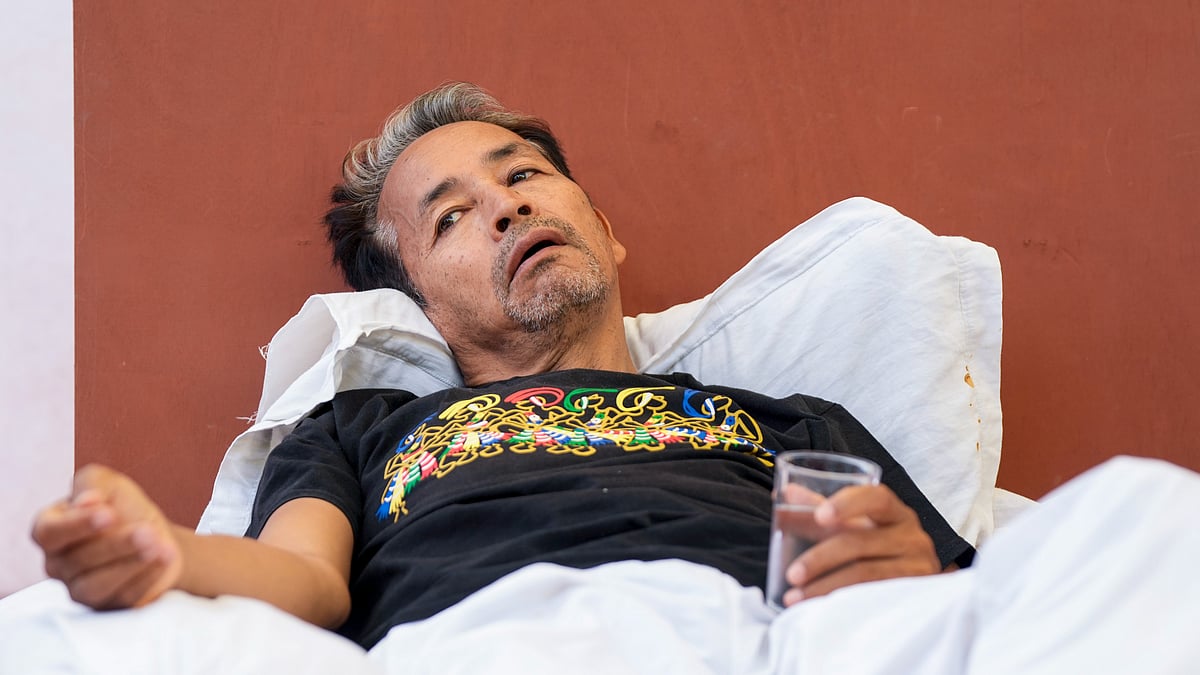
Sonam Wangchuk, an activist who has been on a hunger strike for 21 days, was forcefully admitted to VMMC & Safdarjung Hospital in New Delhi after his health deteriorated. According to the hospital's health bulletin, Wangchuk remains conscious and haemodynamically stable as of 9 pm, with his pulse, blood pressure, and oxygen saturation within normal limits.
However, doctors have expressed concern that Wangchuk is exhibiting clinical signs of dehydration, which warrants immediate medical intervention to prevent further deterioration and potentially serious complications. An independent expert from AIIMS, New Delhi, has concurred with the treating team's assessment that immediate oral/intravenous fluid and electrolyte therapy is medically indicated.
Despite repeated counselling by the treating team and the independent expert, Wangchuk has declined intravenous fluids, oral rehydration solution, and all medications. His family has also not yet provided consent for the recommended medical intervention. The patient continues to be under close medical observation, and the treating team is making every effort to counsel Wangchuk and his family to provide consent and accept the recommended treatment.
Earlier in the day, Wangchuk's wife, Gitanjali J. Angmo, wrote a letter to the Medical Superintendent of Safdarjung Hospital seeking Wangchuk's transfer to another hospital, citing a lack of transparency and restricted access. She also instructed that no oral medication, intravenous substance, or fluid be administered without her consent.
The hospital has assured that an AIIMS doctor has joined the treating team and will remain continuously available for monitoring and clinical management. The treating team is working to safeguard Wangchuk's health and prevent avoidable complications.
Sonam Wangchuk's hunger strike has been a subject of concern for many, and his health condition is being closely monitored. The activist's decision to refuse medical treatment has raised concerns about his well-being, and the hospital is working to ensure that he receives the necessary care.
The situation highlights the challenges faced by medical professionals when dealing with patients who refuse treatment. The hospital is balancing its duty to provide medical care with the patient's autonomy and right to refuse treatment.
As the situation continues to unfold, it remains to be seen how Wangchuk's health will be managed, and whether he will eventually accept medical treatment. The hospital's efforts to provide care and counsel to Wangchuk and his family are ongoing, and the public is awaiting updates on his condition.
In the context of Wangchuk's hunger strike, his health condition is a matter of concern for many. The activist's decision to go on a hunger strike was likely driven by a desire to bring attention to a particular cause, and his health condition is a reminder of the risks and challenges associated with such actions.
The incident also highlights the importance of medical care and the need for patients to receive timely and appropriate treatment. The hospital's efforts to provide care to Wangchuk demonstrate the commitment of medical professionals to ensuring the well-being of their patients, even in challenging circumstances.
As the situation continues to develop, it is likely that there will be further updates on Wangchuk's condition. For now, the hospital remains committed to providing care and counsel to the activist and his family, and the public is awaiting news on his health and well-being.
The significance of this incident extends beyond Wangchuk's individual health condition, as it highlights the complexities and challenges associated with medical care and patient autonomy. The situation serves as a reminder of the importance of balancing the need to provide medical care with the patient's right to refuse treatment, and the need for medical professionals to navigate these complex issues with sensitivity and expertise.
In conclusion, Sonam Wangchuk's health condition remains a matter of concern, and the hospital's efforts to provide care and counsel to the activist and his family are ongoing. The situation highlights the challenges and complexities associated with medical care and patient autonomy, and serves as a reminder of the importance of timely and appropriate medical treatment.