Kejriwal Slams Centre Over Fuel Prices
AAP leader criticizes high fuel prices, seeks clarification on ethanol-blended petrol.

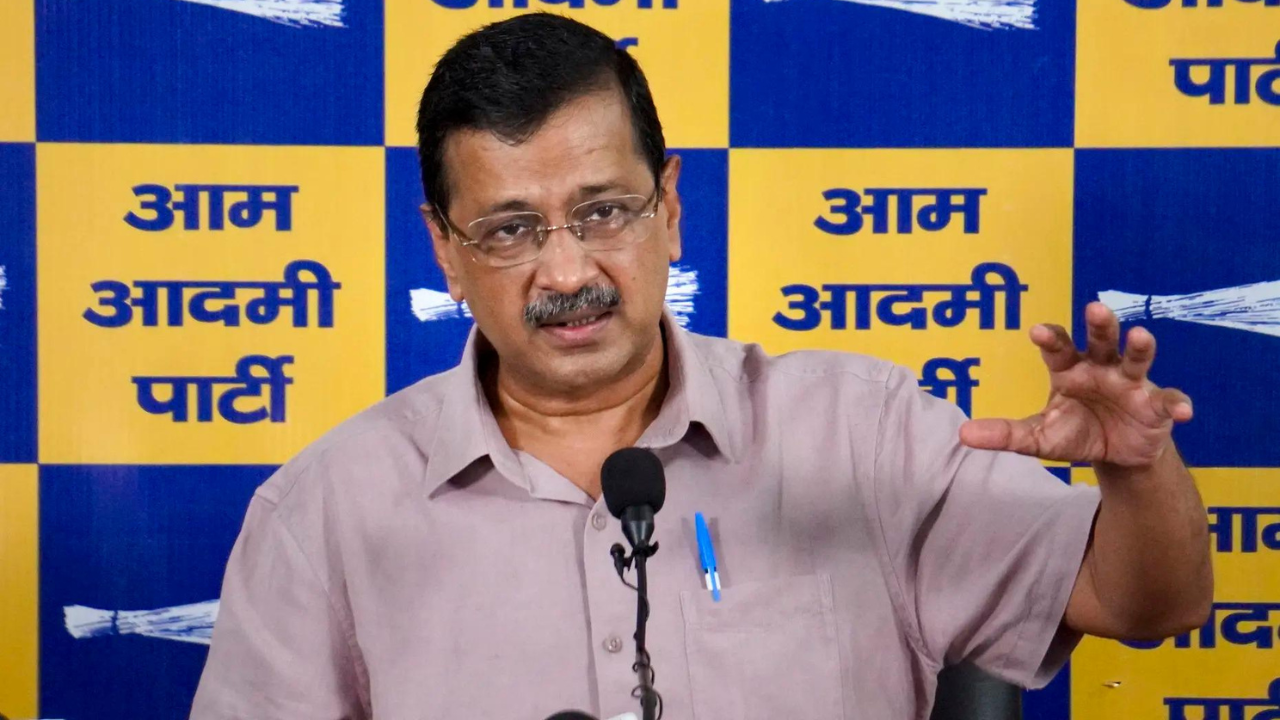
Arvind Kejriwal, the leader of the Aam Aadmi Party, has strongly criticized the Central government for the high fuel prices in the country. He stated that the price of petrol should be reduced from the current rate of Rs 102 to Rs 82.
Kejriwal's criticism comes at a time when global crude oil prices have declined significantly. He argued that the Centre is allowing oil companies to make illegitimate profits by not passing on the benefits of lower global crude oil prices to the consumers.
The AAP leader also questioned the impact of E20 ethanol-blended petrol on fuel prices. He sought clarifications from automobile manufacturers on the concerns related to the use of ethanol-blended petrol in vehicles.
Kejriwal's comments are likely to spark a debate on the issue of fuel pricing in the country. The Centre has been facing criticism from various quarters for the high fuel prices, which have been affecting the common man.
The decline in global crude oil prices has led to expectations that the fuel prices in the country would also decrease. However, the prices have remained high, leading to accusations that the Centre is not doing enough to control the prices.
The issue of fuel pricing is a complex one, involving various factors such as global crude oil prices, taxes, and the pricing policies of oil companies. The Centre has been trying to balance the need to control fuel prices with the need to generate revenue through taxes on fuel.
The use of ethanol-blended petrol is also a significant issue, with the Centre promoting it as a way to reduce the country's dependence on fossil fuels. However, there are concerns about the impact of ethanol-blended petrol on vehicles and the environment.
In this context, Kejriwal's comments are significant, as they highlight the need for transparency and accountability in the pricing of fuel. The AAP leader's demand for a reduction in fuel prices is likely to resonate with the common man, who has been bearing the brunt of high fuel prices.
The Centre's response to Kejriwal's comments will be closely watched, as it will indicate the government's stance on the issue of fuel pricing. The government may need to balance the competing demands of controlling fuel prices, generating revenue through taxes, and promoting the use of ethanol-blended petrol.
Overall, the issue of fuel pricing is a critical one, with significant implications for the economy and the common man. Kejriwal's comments have highlighted the need for a nuanced and balanced approach to the issue, one that takes into account the competing demands and concerns of various stakeholders.
The impact of high fuel prices on the common man cannot be overstated. It affects not just the price of fuel, but also the price of goods and services, as transportation costs increase. The Centre needs to find a solution to this problem, one that balances the need to control fuel prices with the need to generate revenue through taxes.
In conclusion, Kejriwal's criticism of the Centre over fuel prices has highlighted the need for transparency and accountability in the pricing of fuel. The issue is complex, involving various factors and competing demands. The Centre needs to find a balanced solution, one that takes into account the concerns of various stakeholders and addresses the needs of the common man.