Supreme Court Limits BCI Chairman Manan Kumar Mishra's Role
SC reminds Mishra of limited pro tem role, not democratically elected.
'%3E%3Crect%20width%3D'96'%20height%3D'96'%20fill%3D'%231A5276'%2F%3E%3Ccircle%20cx%3D'30'%20cy%3D'24'%20r%3D'44'%20fill%3D'%23fff'%20opacity%3D'.12'%2F%3E%3Ccircle%20cx%3D'60'%20cy%3D'74'%20r%3D'40'%20fill%3D'%23000'%20opacity%3D'.10'%2F%3E%3C%2Fg%3E%3Cg%20fill%3D'%23fff'%3E%3Cpath%20d%3D'M31%2041%20L48%2031%20L65%2041%20Z'%2F%3E%3Crect%20x%3D'33'%20y%3D'43'%20width%3D'4'%20height%3D'17'%2F%3E%3Crect%20x%3D'41'%20y%3D'43'%20width%3D'4'%20height%3D'17'%2F%3E%3Crect%20x%3D'51'%20y%3D'43'%20width%3D'4'%20height%3D'17'%2F%3E%3Crect%20x%3D'59'%20y%3D'43'%20width%3D'4'%20height%3D'17'%2F%3E%3Crect%20x%3D'30'%20y%3D'62'%20width%3D'36'%20height%3D'4'%20rx%3D'1'%2F%3E%3C%2Fg%3E%3C%2Fsvg%3E)
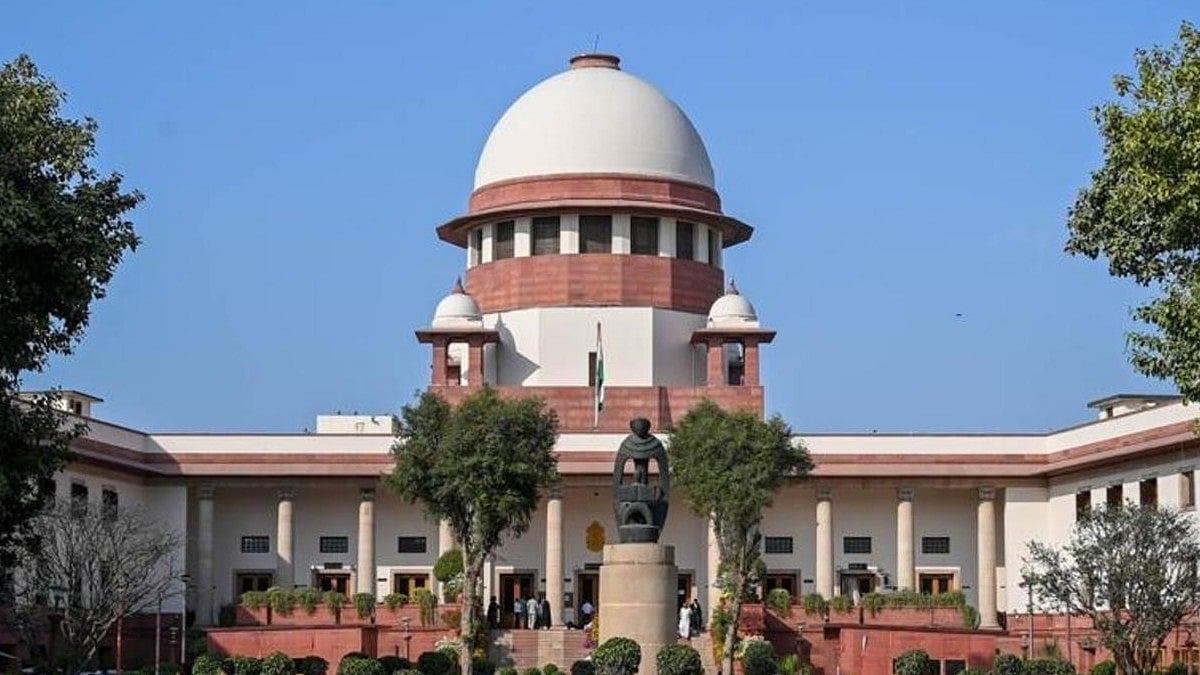
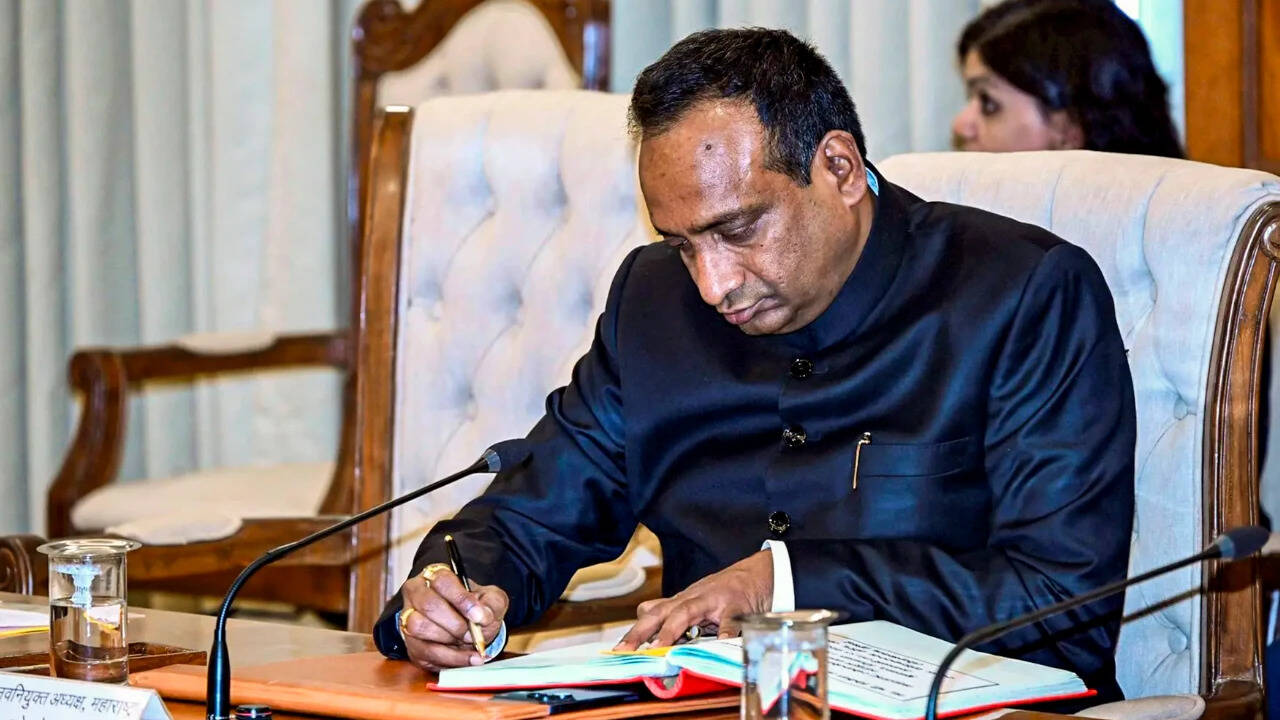
The Supreme Court on Wednesday clarified the role of Bar Council of India (BCI) Chairman Manan Kumar Mishra, stating that he is only a pro tem Chairman and not a democratically elected office-bearer.
This clarification came while the court was hearing pleas challenging Mishra's prolonged continuation as BCI Chairman, allegedly beyond the tenure prescribed under the BCI Rules. A bench headed by Chief Justice of India Surya Kant and comprising Justice Joymalya Bagchi and Justice V Mohana made the observations.
The court made it clear that Mishra's role is limited to overseeing the Council's day-to-day functioning and that his position cannot be equated with that of a democratically elected Chairman. The bench suggested that the Attorney General for India and the Solicitor General of India should be involved when matters involving significant policy decisions are taken up by the Council.
The petitions challenging Mishra's tenure were filed following the National Academy of Legal Studies and Research (NALSAR) controversy. In this controversy, the BCI Chairman directed that graduates of the university not be enrolled after students objected to Chief Justice of India Surya Kant being invited as a guest at the convocation.
The BCI later retracted its earlier decision and clarified that all 2026 NALSAR graduates could enrol as advocates. Mishra also apologised to law students, saying he sincerely regretted and apologised if any of his words or letters connected with the controversy had hurt their feelings.
The Supreme Court's observations effectively underline the distinction between Mishra's interim role and the authority vested in a democratically elected BCI Chairman. The court's decision is significant as it limits the powers of the pro tem Chairman and ensures that major policy decisions are taken with the involvement of key stakeholders.
The Bar Council of India is a statutory body that regulates the legal profession in India. The BCI is responsible for enforcing the standards of professional conduct and etiquette among lawyers. The Council is also responsible for granting recognition to law colleges and universities.
The NALSAR controversy had sparked a debate about the role of the BCI and its Chairman. The controversy had also raised questions about the limits of the BCI's powers and the need for greater transparency and accountability in the Council's decision-making process.
The Supreme Court's decision is a significant development in this context. It highlights the need for a democratically elected Chairman to lead the BCI and ensures that the Council's decisions are taken in a transparent and accountable manner.
In conclusion, the Supreme Court's observations on the role of the BCI Chairman are significant and far-reaching. They limit the powers of the pro tem Chairman and ensure that major policy decisions are taken with the involvement of key stakeholders. The decision is a step towards greater transparency and accountability in the BCI's decision-making process.
The implications of the court's decision are likely to be felt in the coming days and weeks. The BCI will need to reconstitute itself and elect a new Chairman in a democratic manner. The Council will also need to ensure that its decisions are taken in a transparent and accountable manner.
Overall, the Supreme Court's decision is a welcome development. It highlights the need for transparency and accountability in the BCI's decision-making process and ensures that the Council's decisions are taken in a democratic and inclusive manner.
Frequently asked questions
What is the role of the BCI Chairman?
The BCI Chairman is responsible for overseeing the Council's day-to-day functioning.
Why was the BCI Chairman's role limited by the Supreme Court?
The Supreme Court limited the BCI Chairman's role because he is only a pro tem Chairman and not a democratically elected office-bearer.