Disneyland Built Around Family Farm
Fujishige family refused $90m offer, farmed for decades.
'%3E%3Crect%20width%3D'96'%20height%3D'96'%20fill%3D'%23B3261E'%2F%3E%3Ccircle%20cx%3D'30'%20cy%3D'24'%20r%3D'44'%20fill%3D'%23fff'%20opacity%3D'.12'%2F%3E%3Ccircle%20cx%3D'60'%20cy%3D'74'%20r%3D'40'%20fill%3D'%23000'%20opacity%3D'.10'%2F%3E%3C%2Fg%3E%3Cg%20fill%3D'%23fff'%3E%3Crect%20x%3D'29'%20y%3D'49'%20width%3D'8'%20height%3D'19'%20rx%3D'1'%2F%3E%3Crect%20x%3D'39'%20y%3D'40'%20width%3D'9'%20height%3D'28'%20rx%3D'1'%2F%3E%3Crect%20x%3D'50'%20y%3D'45'%20width%3D'8'%20height%3D'23'%20rx%3D'1'%2F%3E%3Crect%20x%3D'60'%20y%3D'53'%20width%3D'7'%20height%3D'15'%20rx%3D'1'%2F%3E%3Crect%20x%3D'41'%20y%3D'34'%20width%3D'5'%20height%3D'6'%2F%3E%3C%2Fg%3E%3C%2Fsvg%3E)
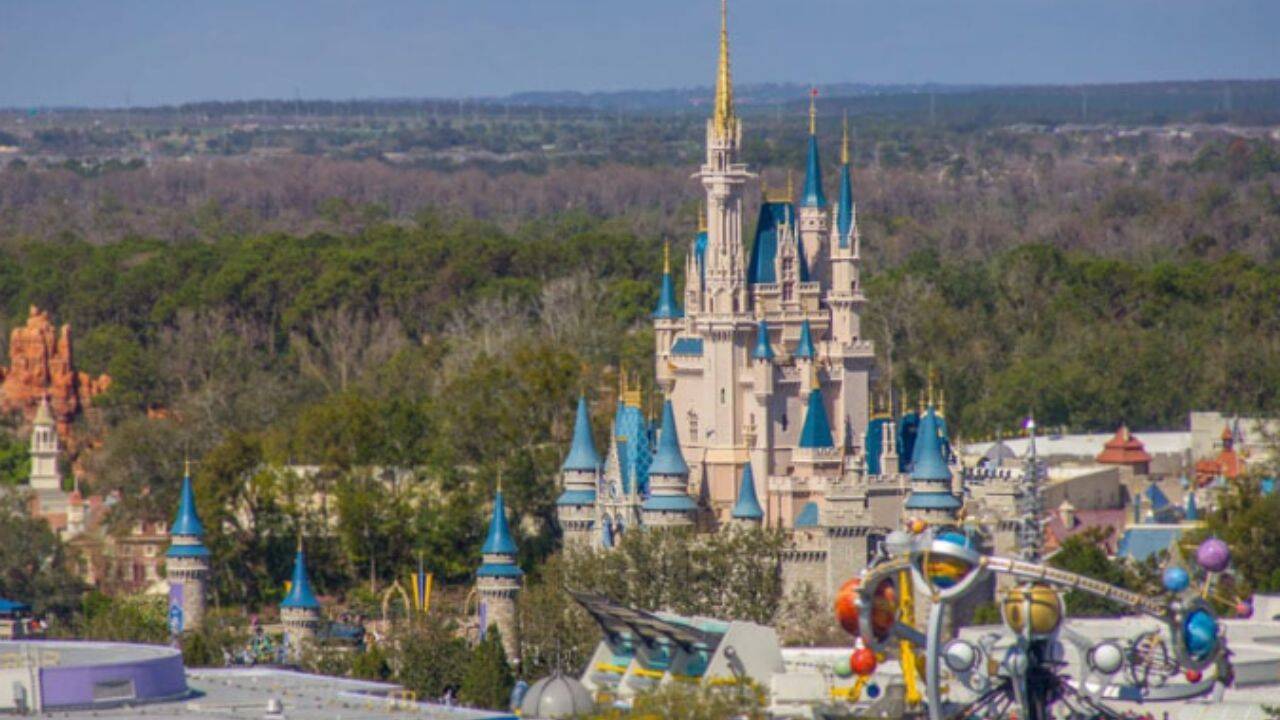
The Fujishige family's 58-acre farm in Anaheim, California, has a unique place in history. For decades, the family refused to sell their land, even as Disneyland and surrounding development transformed the area. Despite repeated offers from Disney and other developers, the family continued to grow strawberries and vegetables on their farm.
The family's decision to hold on to their land was not without its challenges. They faced pressure from the city and developers, who saw the value in the land. However, the Fujishiges remained committed to their farm and their way of life.
In 1998, the family finally agreed to sell their farm, shortly before Hiroshi Fujishige's death. The sale marked the end of an era for the Fujishige family and their farm. The former farm was later developed into the Toy Story parking lot at Disneyland.
The Fujishige family's story is a testament to their dedication to their land and their way of life. Despite the temptation of a $90 million offer, they chose to hold on to their farm and their traditions. Their decision has become a fascinating footnote in the history of Disneyland.
The development of Disneyland and the surrounding area has been well-documented. However, the story of the Fujishige family and their farm provides a unique perspective on the impact of development on individual families and communities. It highlights the challenges that families and communities face when their land is sought after by developers.
The Fujishige family's farm was not just a business, but a way of life. The family's decision to hold on to their land was driven by a desire to preserve their traditions and their connection to the land. Their story serves as a reminder of the importance of preserving individual and community identities in the face of development and progress.
In the end, the Fujishige family's farm became a part of the Disneyland story. The Toy Story parking lot may seem like an unlikely tribute to the family's legacy, but it serves as a reminder of the complex and often fraught history of development in the area.
The story of the Fujishige family and their farm has become a fascinating piece of Disneyland's history. It highlights the complexities and challenges of development and the importance of preserving individual and community identities.
The Fujishige family's decision to hold on to their land for so long has become a legendary tale in the history of Disneyland. It serves as a reminder of the power of individual and community resistance in the face of development and progress.
In conclusion, the story of the Fujishige family and their farm is a unique and fascinating piece of Disneyland's history. It highlights the complexities and challenges of development and the importance of preserving individual and community identities. The family's decision to hold on to their land for so long has become a legendary tale that continues to captivate audiences today.
Frequently asked questions
Why did the Fujishige family refuse to sell their farm
The Fujishige family refused to sell their farm because they wanted to preserve their traditions and their connection to the land.
What happened to the Fujishige family farm after it was sold
The former farm was developed into the Toy Story parking lot at Disneyland.