Bombay HC Awards ₹15 Lakh For Unfair Dismissal
Employee dismissed for unauthorised leave gets compensation. Court calls punishment disproportionate.

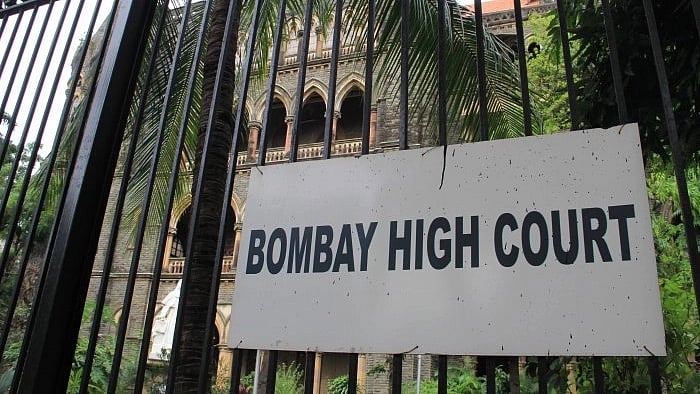
The Bombay High Court has ruled that an employee's dismissal for taking unauthorised leave was a disproportionate punishment. The court made this decision on July 7, 2026, while hearing a petition filed by a co-operative sugar factory.
The employee in question had worked at the sugar factory for 16 years before being dismissed in 2002. He was found guilty of remaining unauthorisedly absent for 240 days between 1998 and 1999. The Labour Court had initially ordered the employee's reinstatement with continuity of service and 100 per cent back wages.
However, the High Court set aside this order, stating that the punishment of dismissal was not proportionate to the misconduct. The court noted that the employee had claimed illness as the reason for his absence but had failed to ensure that his leave was sanctioned.
The employee had joined the sugar factory as a seasonal industrial worker in 1986 and was later confirmed as a clerk in 1996. The court took into account his years of service, his agricultural income, and a disability he suffered in an accident when deciding on the compensation.
Instead of reinstatement and back wages, the court directed the employer to pay the employee a lump sum compensation of ₹15 lakh. This decision highlights the importance of proportionate punishment in employment law.
The case emphasizes that employers must consider the severity of the misconduct when deciding on disciplinary action. In this instance, the court found that the employer's decision to dismiss the employee was excessive.
The Bombay High Court's decision serves as a reminder to employers to ensure that their disciplinary actions are fair and proportionate to the misconduct. This is particularly important in cases where employees have long periods of service and no other serious charges are proven.
The court's ruling also underscores the need for employers to follow proper procedures when dealing with employee misconduct. In this case, the Labour Court's failure to decide whether the enquiry officer's findings were perverse before proceeding further was deemed legally unsustainable.
The employee's 16 years of service and the circumstances surrounding his absence were key factors in the court's decision. The court's consideration of these factors demonstrates the importance of taking a nuanced approach when dealing with employee misconduct.
In conclusion, the Bombay High Court's decision in this case highlights the need for employers to ensure that their disciplinary actions are fair, proportionate, and follow proper procedures. The court's ruling serves as a reminder to employers to consider the severity of the misconduct and the employee's circumstances when deciding on disciplinary action.
The decision also has implications for employees who have been unfairly dismissed. It demonstrates that the courts will consider the proportionality of the punishment and the employee's circumstances when deciding on compensation. In this case, the employee was awarded ₹15 lakh in compensation, which reflects the court's consideration of his years of service and the circumstances surrounding his dismissal.
Overall, the Bombay High Court's decision in this case provides important guidance for employers and employees on the importance of proportionate punishment and fair disciplinary procedures in employment law.
The significance of this case for Mumbai residents lies in its emphasis on the need for fair and proportionate disciplinary actions in the workplace. As the city's economy continues to grow, it is essential that employers and employees are aware of their rights and responsibilities in relation to employment law. The court's decision serves as a reminder of the importance of following proper procedures and considering the severity of misconduct when dealing with disciplinary actions.
In the context of Mumbai's thriving business environment, this decision has implications for employers and employees across various industries. It highlights the need for employers to ensure that their disciplinary actions are fair, proportionate, and follow proper procedures. For employees, it demonstrates that the courts will consider the proportionality of the punishment and the employee's circumstances when deciding on compensation.
In conclusion, the Bombay High Court's decision in this case is a significant development in employment law, and its implications will be felt across Mumbai's business community. The decision serves as a reminder of the importance of fair and proportionate disciplinary actions and the need for employers and employees to be aware of their rights and responsibilities in relation to employment law.
The case also raises questions about the effectiveness of the Labour Court and Industrial Court in dealing with employment disputes. The High Court's decision to set aside the orders of the Labour Court and Industrial Court highlights the need for these courts to ensure that their procedures are fair and legally sustainable.
Ultimately, the Bombay High Court's decision in this case is a significant step towards ensuring that employment law is fair and proportionate. It demonstrates that the courts will consider the severity of misconduct and the employee's circumstances when deciding on disciplinary actions, and it highlights the need for employers to follow proper procedures when dealing with employee misconduct.
The decision is also a reminder that the courts will not hesitate to intervene when disciplinary actions are deemed excessive or disproportionate. This serves as a warning to employers to ensure that their disciplinary actions are fair and proportionate, and it provides reassurance to employees that the courts will consider their circumstances and the severity of the misconduct when deciding on compensation.
In the broader context of Indian employment law, this decision has significant implications. It highlights the need for employers to ensure that their disciplinary actions are fair, proportionate, and follow proper procedures. It also demonstrates that the courts will consider the proportionality of the punishment and the employee's circumstances when deciding on compensation.
Overall, the Bombay High Court's decision in this case is a significant development in employment law, and its implications will be felt across India's business community. The decision serves as a reminder of the importance of fair and proportionate disciplinary actions and the need for employers and employees to be aware of their rights and responsibilities in relation to employment law.
The case is a testament to the importance of the judiciary in ensuring that employment law is fair and proportionate. The High Court's decision demonstrates that the courts will not hesitate to intervene when disciplinary actions are deemed excessive or disproportionate, and it provides reassurance to employees that the courts will consider their circumstances and the severity of the misconduct when deciding on compensation.
In conclusion, the Bombay High Court's decision in this case is a significant step towards ensuring that employment law is fair and proportionate. It highlights the need for employers to ensure that their disciplinary actions are fair, proportionate, and follow proper procedures, and it demonstrates that the courts will consider the proportionality of the punishment and the employee's circumstances when deciding on compensation.
The decision has significant implications for Mumbai residents, employers, and employees across various industries. It serves as a reminder of the importance of fair and proportionate disciplinary actions and the need for employers and employees to be aware of their rights and responsibilities in relation to employment law. The case is a testament to the importance of the judiciary in ensuring that employment law is fair and proportionate, and it provides reassurance to employees that the courts will consider their circumstances and the severity of the misconduct when deciding on compensation.
The Bombay High Court's decision in this case is a significant development in employment law, and its implications will be felt across Mumbai's business community. The decision serves as a reminder of the importance of fair and proportionate disciplinary actions and the need for employers and employees to be aware of their rights and responsibilities in relation to employment law. The case is a testament to the importance of the judiciary in ensuring that employment law is fair and proportionate, and it provides reassurance to employees that the courts will consider their circumstances and the severity of the misconduct when deciding on compensation.
For Mumbai residents, this decision highlights the importance of being aware of their rights and responsibilities in relation to employment law. It serves as a reminder that the courts will consider the proportionality of the punishment and the employee's circumstances when deciding on compensation, and it provides reassurance that the judiciary will intervene when disciplinary actions are deemed excessive or disproportionate.
In the context of Mumbai's thriving business environment, this decision has significant implications for employers and employees across various industries. It highlights the need for employers to ensure that their disciplinary actions are fair, proportionate, and follow proper procedures, and it demonstrates that the courts will consider the proportionality of the punishment and the employee's circumstances when deciding on compensation.
The case is a testament to the importance of the judiciary in ensuring that employment law is fair and proportionate. The High Court's decision demonstrates that the courts will not hesitate to intervene when disciplinary actions are deemed excessive or disproportionate, and it provides reassurance to employees that the courts will consider their circumstances and the severity of the misconduct when deciding on compensation.
In conclusion, the Bombay High Court's decision in this case is a significant step towards ensuring that employment law is fair and proportionate. It highlights the need for employers to ensure that their disciplinary actions are fair, proportionate, and follow proper procedures, and it demonstrates that the courts will consider the proportionality of the punishment and the employee's circumstances when deciding on compensation. The decision has significant implications for Mumbai residents, employers, and employees across various industries, and it serves as a reminder of the importance of fair and proportionate disciplinary actions in the workplace.
The significance of this case for Mumbai residents lies in its emphasis on the need for fair and proportionate disciplinary actions in the workplace. As the city's economy continues to grow, it is essential that employers and employees are aware of their rights and responsibilities in relation to employment law. The court's decision serves as a reminder of the importance of following proper procedures and considering the severity of misconduct when dealing with disciplinary actions.
In the broader context of Indian employment law, this decision has significant implications. It highlights the need for employers to ensure that their disciplinary actions are fair, proportionate, and follow proper procedures. It also demonstrates that the courts will consider the proportionality of the punishment and the employee's circumstances when deciding on compensation.
Overall, the Bombay High Court's decision in this case is a significant development in employment law, and its implications will be felt across India's business community. The decision serves as a reminder of the importance of fair and proportionate disciplinary actions and the need for employers and employees to be aware of their rights and responsibilities in relation to employment law. The case is a testament to the importance of the judiciary in ensuring that employment law is fair and proportionate, and it provides reassurance to employees that the courts will consider their circumstances and the severity of the misconduct when deciding on compensation.
The decision has significant implications for Mumbai residents, employers, and employees across various industries. It serves as a reminder of the importance of fair and proportionate disciplinary actions and the need for employers and employees to be aware of their rights and responsibilities in relation to employment law. The case is a testament to the importance of the judiciary in ensuring that employment law is fair and proportionate, and it provides reassurance to employees that the courts will consider their circumstances and the severity of the misconduct when deciding on compensation.
In conclusion, the Bombay High Court's decision in this case is a significant step towards ensuring that employment law is fair and proportionate. It highlights the need for employers to ensure that their disciplinary actions are fair, proportionate, and follow proper procedures, and it demonstrates that the courts will consider the proportionality of the punishment and the employee's circumstances when deciding on compensation. The decision has significant implications for Mumbai residents, employers, and employees across various industries, and it serves as a reminder of the importance of fair and proportionate disciplinary actions in the workplace.