India Reinstates UPI Merchant Fees
UPI transactions may soon attract fees, what does it mean?
'%3E%3Crect%20width%3D'96'%20height%3D'96'%20fill%3D'%230B6E4F'%2F%3E%3Ccircle%20cx%3D'30'%20cy%3D'24'%20r%3D'44'%20fill%3D'%23fff'%20opacity%3D'.12'%2F%3E%3Ccircle%20cx%3D'60'%20cy%3D'74'%20r%3D'40'%20fill%3D'%23000'%20opacity%3D'.10'%2F%3E%3C%2Fg%3E%3Cg%20fill%3D'none'%20stroke%3D'%23fff'%20stroke-width%3D'3.2'%20stroke-linecap%3D'round'%20stroke-linejoin%3D'round'%3E%3Cpolyline%20points%3D'31%2C59%2041%2C49%2049%2C54%2063%2C37'%2F%3E%3Cpolyline%20points%3D'55%2C37%2063%2C37%2063%2C45'%2F%3E%3C%2Fg%3E%3C%2Fsvg%3E)
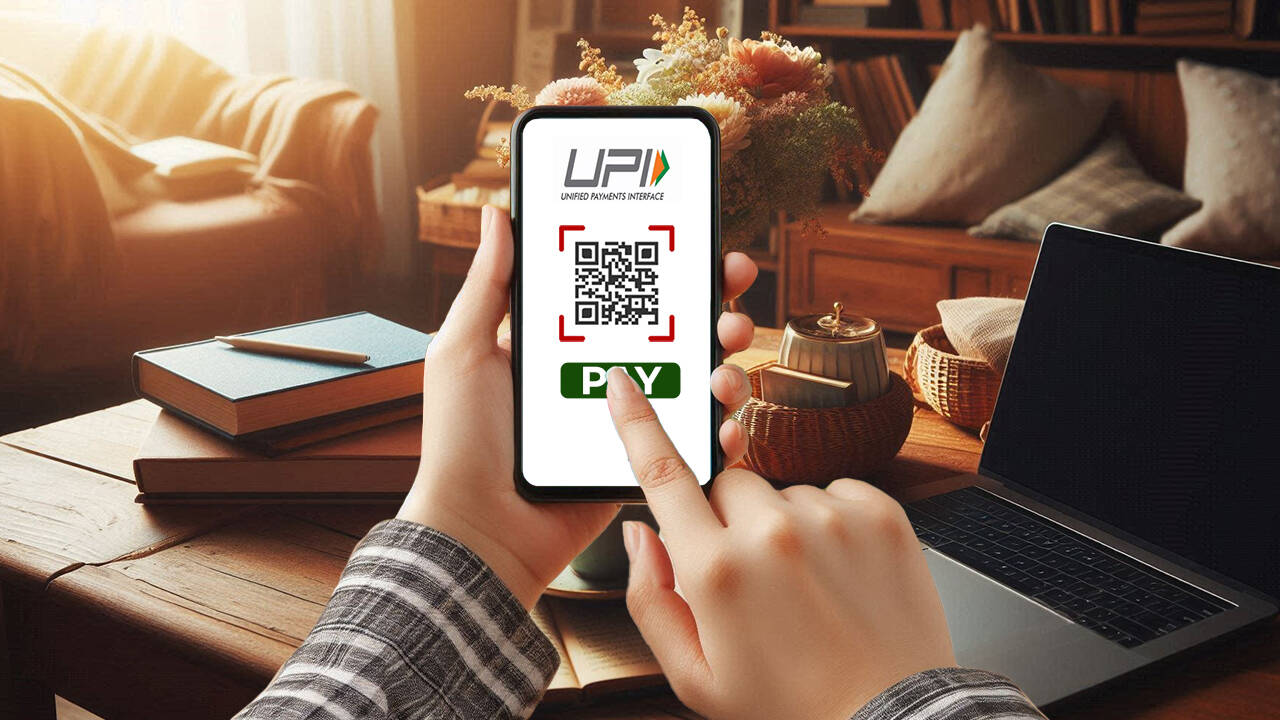
The Indian government has paved the way for the reintroduction of Merchant Discount Rate (MDR) on Unified Payments Interface (UPI) transactions. MDR is the fee that merchants pay to banks and payment service providers for processing digital transactions.
In India, credit card payments generally attract an MDR of around 1.5%. The reintroduction of MDR on UPI transactions is expected to have a significant impact on the digital payments landscape in the country.
The move is seen as a way to incentivize banks and payment service providers to continue investing in the UPI ecosystem. Currently, UPI transactions are free for users, but merchants are required to pay a small fee to banks and payment service providers for processing these transactions.
The reintroduction of MDR on UPI transactions is expected to increase the revenue of banks and payment service providers. However, it may also lead to an increase in the cost of digital transactions for merchants, which could be passed on to consumers.
The UPI ecosystem has grown significantly in recent years, with the number of transactions and the value of transactions increasing exponentially. The reintroduction of MDR on UPI transactions is expected to have a significant impact on the growth of the UPI ecosystem.
The Indian government has been exploring ways to incentivize banks and payment service providers to continue investing in the UPI ecosystem. The reintroduction of MDR on UPI transactions is seen as a way to achieve this goal.
The impact of the reintroduction of MDR on UPI transactions will be closely watched by stakeholders in the digital payments ecosystem. It is expected to have a significant impact on the growth of the UPI ecosystem and the digital payments landscape in India.
In conclusion, the reintroduction of MDR on UPI transactions is a significant development in the digital payments landscape in India. It is expected to have a significant impact on the growth of the UPI ecosystem and the revenue of banks and payment service providers. However, it may also lead to an increase in the cost of digital transactions for merchants, which could be passed on to consumers.
The move is seen as a way to incentivize banks and payment service providers to continue investing in the UPI ecosystem. The Indian government has been exploring ways to incentivize banks and payment service providers to continue investing in the UPI ecosystem, and the reintroduction of MDR on UPI transactions is seen as a way to achieve this goal.
What it means for India is that the digital payments landscape is expected to undergo a significant change. The reintroduction of MDR on UPI transactions is expected to increase the revenue of banks and payment service providers, but it may also lead to an increase in the cost of digital transactions for merchants, which could be passed on to consumers.
Overall, the reintroduction of MDR on UPI transactions is a significant development in the digital payments landscape in India. It is expected to have a significant impact on the growth of the UPI ecosystem and the digital payments landscape in India.
Frequently asked questions
What is Merchant Discount Rate (MDR)?
MDR is the fee merchants pay to banks and payment service providers for processing digital transactions.
How will the reintroduction of MDR on UPI transactions affect merchants?
The reintroduction of MDR on UPI transactions may lead to an increase in the cost of digital transactions for merchants, which could be passed on to consumers.