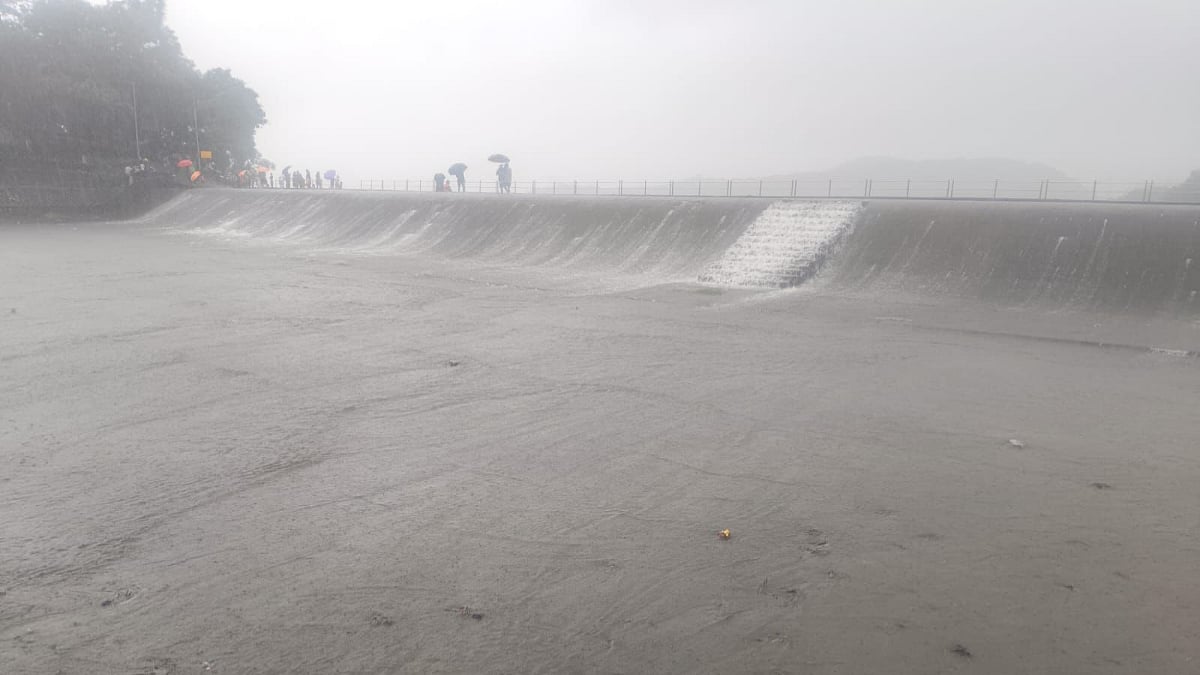
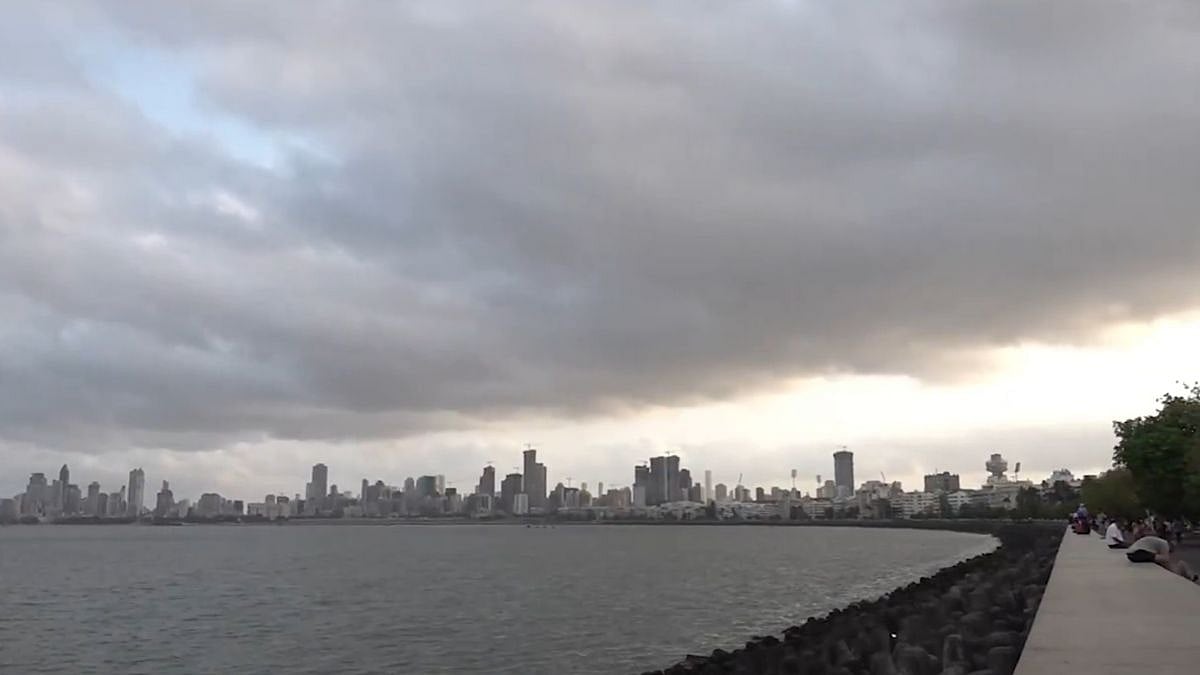
Madhya Pradesh Weather Update: Weak Monsoon Phase Expected To Continue
The monsoon season in Madhya Pradesh has been weak with light rain expected to continue for the next few days. However, weather conditions are expected to change later this week with a new system developing over the Bay of Bengal.
'%3E%3Crect%20width%3D'96'%20height%3D'96'%20fill%3D'%23B3261E'%2F%3E%3Ccircle%20cx%3D'30'%20cy%3D'24'%20r%3D'44'%20fill%3D'%23fff'%20opacity%3D'.12'%2F%3E%3Ccircle%20cx%3D'60'%20cy%3D'74'%20r%3D'40'%20fill%3D'%23000'%20opacity%3D'.10'%2F%3E%3C%2Fg%3E%3Cg%20fill%3D'%23fff'%3E%3Crect%20x%3D'29'%20y%3D'49'%20width%3D'8'%20height%3D'19'%20rx%3D'1'%2F%3E%3Crect%20x%3D'39'%20y%3D'40'%20width%3D'9'%20height%3D'28'%20rx%3D'1'%2F%3E%3Crect%20x%3D'50'%20y%3D'45'%20width%3D'8'%20height%3D'23'%20rx%3D'1'%2F%3E%3Crect%20x%3D'60'%20y%3D'53'%20width%3D'7'%20height%3D'15'%20rx%3D'1'%2F%3E%3Crect%20x%3D'41'%20y%3D'34'%20width%3D'5'%20height%3D'6'%2F%3E%3C%2Fg%3E%3C%2Fsvg%3E)
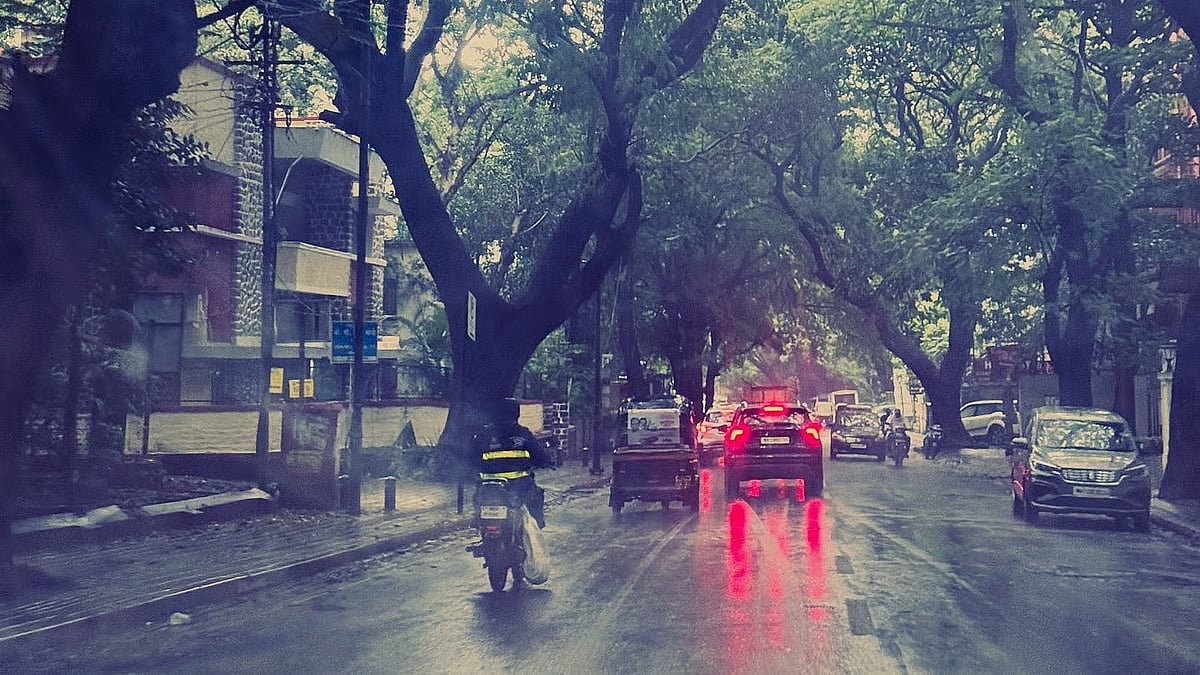
The monsoon season in Madhya Pradesh has been weak with light rain expected to continue for the next few days. According to the India Meteorological Department, only light rain or drizzle is expected in 22 districts on Monday, while cities like Bhopal, Indore, Ujjain, Gwalior, and Jabalpur are likely to see sunny weather. Weather officials said nearly 60% of the state is currently seeing fewer dense monsoon clouds.
As a result, no heavy or very heavy rainfall has been recorded in the past four to five days. Light rain is expected to continue for the next few days. The districts likely to receive light rain include Satna, Rewa, Mauganj, Sidhi, Singrauli, Maihar, Umaria, Shahdol, Anuppur, Dindori, Mandla, Balaghat, Seoni, Chhindwara, Pandhurna, Betul, Khandwa, Burhanpur, Khargone, Barwani, Dhar, and Alirajpur.
Bhopal Municipal Corporation has withheld salaries of over 150 officials over poor tax recovery and delayed civic projects. Weather expert Shailendra Kumar Nayak said the southwest monsoon is currently weak over Madhya Pradesh. The weather systems that usually support the monsoon have either weakened or moved away from the state.
Because of this, many areas are witnessing cloudy skies and light showers instead of heavy rain. Weather Forecast However, weather conditions are expected to change later this week. A new weather system is likely to develop over the north Bay of Bengal between July 13 and 19.
If it turns into a low-pressure area, rainfall activity in Madhya Pradesh could increase again. According to weather experts, the effect of this new system is expected to become visible from July 16, bringing a fresh spell of rain across parts of the state. Three more weather systems are also expected to form over the Pacific Ocean, and if any of them reach the Bay of Bengal, they could further strengthen the monsoon.