Pak Spy Held in Rajasthan for Using Indian SIMs
Rajasthan police detain suspected Pak spy, Indian SIMs used for anti-national ops
'%3E%3Crect%20width%3D'96'%20height%3D'96'%20fill%3D'%231A5276'%2F%3E%3Ccircle%20cx%3D'30'%20cy%3D'24'%20r%3D'44'%20fill%3D'%23fff'%20opacity%3D'.12'%2F%3E%3Ccircle%20cx%3D'60'%20cy%3D'74'%20r%3D'40'%20fill%3D'%23000'%20opacity%3D'.10'%2F%3E%3C%2Fg%3E%3Cg%20fill%3D'%23fff'%3E%3Cpath%20d%3D'M31%2041%20L48%2031%20L65%2041%20Z'%2F%3E%3Crect%20x%3D'33'%20y%3D'43'%20width%3D'4'%20height%3D'17'%2F%3E%3Crect%20x%3D'41'%20y%3D'43'%20width%3D'4'%20height%3D'17'%2F%3E%3Crect%20x%3D'51'%20y%3D'43'%20width%3D'4'%20height%3D'17'%2F%3E%3Crect%20x%3D'59'%20y%3D'43'%20width%3D'4'%20height%3D'17'%2F%3E%3Crect%20x%3D'30'%20y%3D'62'%20width%3D'36'%20height%3D'4'%20rx%3D'1'%2F%3E%3C%2Fg%3E%3C%2Fsvg%3E)
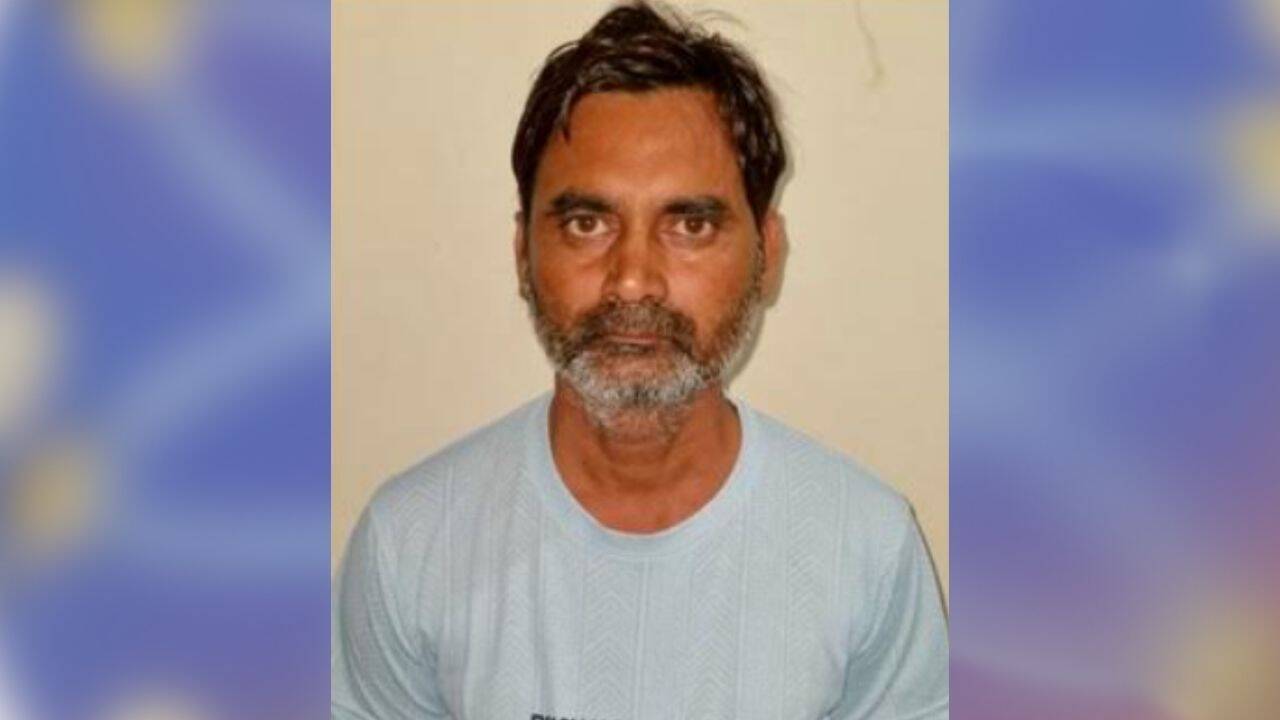
A man suspected of spying for Pakistan has been detained by the Sri Ganganagar Police in Rajasthan. The individual is accused of providing Indian SIM cards to handlers of the Inter-Services Intelligence (ISI), Pakistan's intelligence agency, which were then used to create WhatsApp accounts for illicit communications.
According to the authorities, the suspect's actions may have compromised India's defense by allowing the spy network to collect crucial information. The police have also charged the suspect with extensive narcotics trafficking, indicating a wider range of illegal activities.
The use of Indian SIM cards by the ISI to target India is a serious concern, as it suggests that the Pakistani intelligence agency has been able to infiltrate and gather intelligence from within India. The Sri Ganganagar Police are investigating the matter further to determine the extent of the spy network and the damage it may have caused.
The detention of the suspected spy is a significant development in the ongoing efforts to counter Pakistani espionage in India. The Indian government has long been concerned about the threat posed by Pakistani spies, and this incident highlights the need for continued vigilance and cooperation between law enforcement agencies to prevent such activities.
The Sri Ganganagar Police have been tight-lipped about the details of the case, but it is clear that the suspect's actions have serious implications for national security. The police are working to determine how the suspect was able to obtain the Indian SIM cards and how they were used to facilitate communication between the ISI and its agents in India.
The incident also raises questions about the effectiveness of India's counter-intelligence measures and the need for stricter regulations on the use of SIM cards and other communication devices. The Indian government has implemented various measures to prevent the misuse of SIM cards, but this incident suggests that more needs to be done to prevent such activities.
In recent years, there have been several instances of Pakistani spies being caught in India, highlighting the ongoing threat posed by Pakistani espionage. The Indian government has taken various steps to counter this threat, including strengthening its counter-intelligence capabilities and improving cooperation between law enforcement agencies.
The detention of the suspected spy in Rajasthan is a reminder of the ongoing threat posed by Pakistani espionage and the need for continued vigilance and cooperation between law enforcement agencies to prevent such activities. The incident also highlights the importance of strict regulations on the use of SIM cards and other communication devices to prevent their misuse by spy agencies.
The investigation into the suspected spy's activities is ongoing, and it is likely that more details will emerge in the coming days. However, one thing is clear: the use of Indian SIM cards by the ISI to target India is a serious concern that requires immediate attention and action from the Indian government and law enforcement agencies.
In conclusion, the detention of the suspected Pak spy in Rajasthan is a significant development in the ongoing efforts to counter Pakistani espionage in India. The incident highlights the need for continued vigilance and cooperation between law enforcement agencies to prevent such activities and the importance of strict regulations on the use of SIM cards and other communication devices to prevent their misuse by spy agencies.
Frequently asked questions
What was the suspected Pak spy doing in Rajasthan?
The suspected spy was providing Indian SIM cards to handlers of the ISI, which were used to create WhatsApp accounts for illicit communications.
What are the implications of the suspected spy's actions?
The suspect's actions may have compromised India's defense by allowing the spy network to collect crucial information.