Ancient Assyrian Stele Uncovered in Iraq
A 2,600-year-old monument has been found in Iraq, shedding light on King Ashurbanipal's reign. The discovery was made in Nineveh during restoration work.
'%3E%3Crect%20width%3D'96'%20height%3D'96'%20fill%3D'%23B3261E'%2F%3E%3Ccircle%20cx%3D'30'%20cy%3D'24'%20r%3D'44'%20fill%3D'%23fff'%20opacity%3D'.12'%2F%3E%3Ccircle%20cx%3D'60'%20cy%3D'74'%20r%3D'40'%20fill%3D'%23000'%20opacity%3D'.10'%2F%3E%3C%2Fg%3E%3Cg%20fill%3D'%23fff'%3E%3Crect%20x%3D'29'%20y%3D'49'%20width%3D'8'%20height%3D'19'%20rx%3D'1'%2F%3E%3Crect%20x%3D'39'%20y%3D'40'%20width%3D'9'%20height%3D'28'%20rx%3D'1'%2F%3E%3Crect%20x%3D'50'%20y%3D'45'%20width%3D'8'%20height%3D'23'%20rx%3D'1'%2F%3E%3Crect%20x%3D'60'%20y%3D'53'%20width%3D'7'%20height%3D'15'%20rx%3D'1'%2F%3E%3Crect%20x%3D'41'%20y%3D'34'%20width%3D'5'%20height%3D'6'%2F%3E%3C%2Fg%3E%3C%2Fsvg%3E)
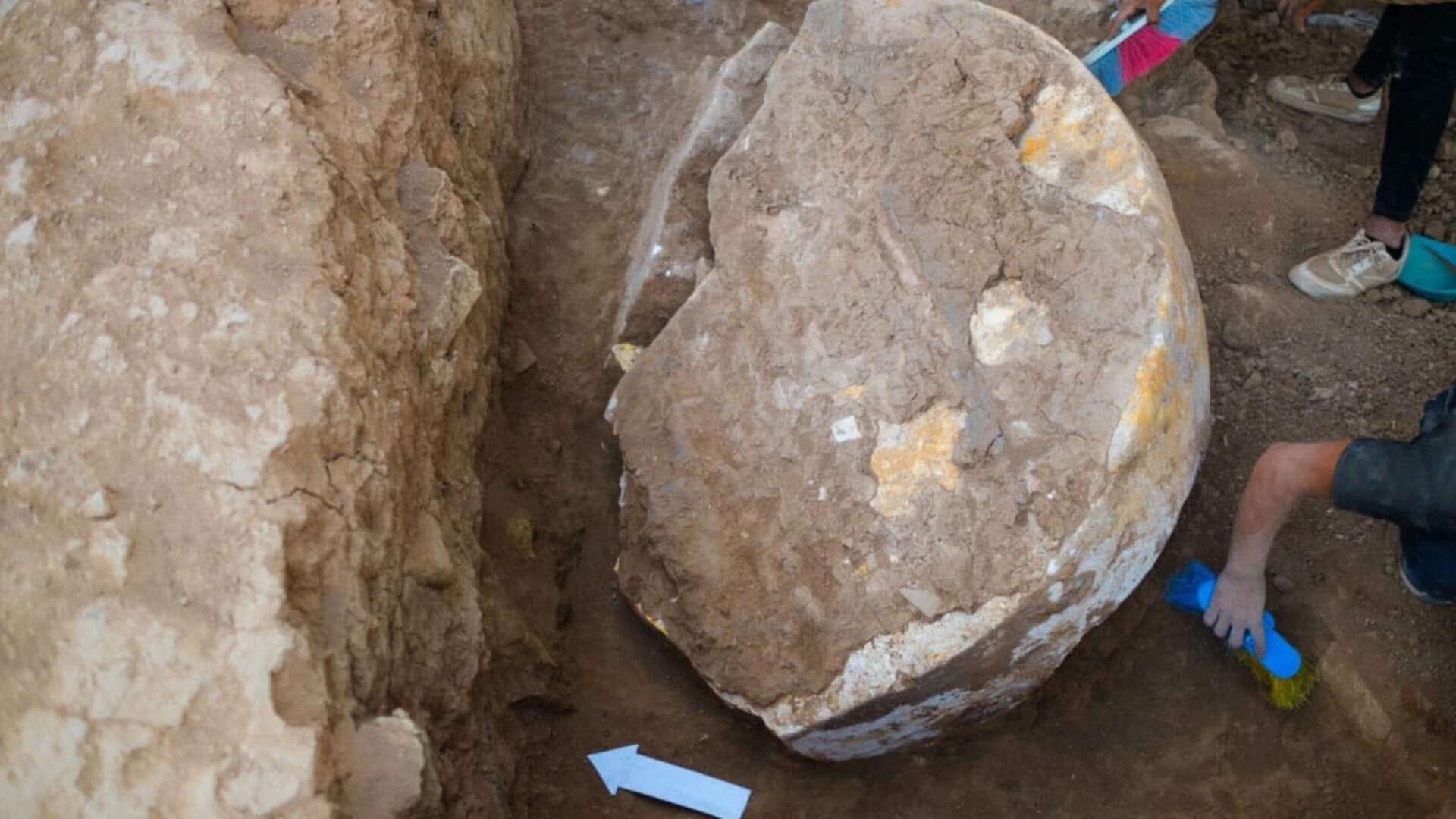
A remarkable archaeological discovery has been made in Nineveh, Iraq, where a 2,600-year-old Assyrian stele of King Ashurbanipal has been unearthed. The ancient monument was found during restoration efforts at the Shamash Gate, a significant location in the ancient city of Nineveh.
The stele, which dates back to the 7th century BC, is a testament to the architectural achievements of King Ashurbanipal, who ruled the Assyrian Empire from 668 to 627 BC. The discovery provides valuable insights into the urban development of the Assyrian civilization, which was known for its sophisticated cities and impressive architectural feats.
The finding of the stele is a significant one, not only because of its age and historical importance but also because of its potential to reconcile historical disruptions and aid in the preservation of cultural identities. The stele is a tangible link to the past, offering a glimpse into the lives and achievements of the people who lived in ancient Nineveh.
King Ashurbanipal was a notable ruler of the Assyrian Empire, known for his military campaigns and his efforts to promote the arts and culture. During his reign, the empire reached its peak, and the city of Nineveh became a center of learning and culture.
The discovery of the stele is also a reminder of the rich cultural heritage of Iraq, which has been ravaged by conflict and destruction in recent years. The finding highlights the importance of preserving cultural artifacts and historical sites, not only for their historical significance but also for their potential to promote understanding and reconciliation.
The restoration efforts at the Shamash Gate, where the stele was found, are part of a larger initiative to preserve and protect Iraq's cultural heritage. The project aims to restore the ancient city of Nineveh to its former glory, allowing visitors to experience the history and culture of the Assyrian civilization.
The discovery of the 2,600-year-old stele is a significant one, not only for Iraq but also for the world. It serves as a reminder of the importance of preserving cultural artifacts and historical sites, and it highlights the resilience of cultural identities in the face of historical disruptions.
In conclusion, the finding of the ancient Assyrian stele of King Ashurbanipal is a remarkable discovery that sheds light on the history and culture of the Assyrian civilization. The stele is a testament to the architectural achievements of King Ashurbanipal and a reminder of the importance of preserving cultural artifacts and historical sites.
The discovery is also a significant one for the field of archaeology, as it provides new insights into the urban development of the Assyrian civilization. The stele is a valuable addition to the cultural heritage of Iraq, and its discovery serves as a reminder of the importance of preserving the past for future generations.
The significance of the discovery extends beyond the field of archaeology, as it highlights the importance of cultural preservation and the need to protect historical sites from destruction. The finding of the stele is a reminder that cultural artifacts and historical sites are not only important for their historical significance but also for their potential to promote understanding and reconciliation.
Overall, the discovery of the 2,600-year-old Assyrian stele of King Ashurbanipal is a remarkable one that sheds light on the history and culture of the Assyrian civilization. The stele is a testament to the architectural achievements of King Ashurbanipal and a reminder of the importance of preserving cultural artifacts and historical sites.
The discovery is a significant one for the world, as it highlights the importance of cultural preservation and the need to protect historical sites from destruction. The finding of the stele serves as a reminder that cultural artifacts and historical sites are not only important for their historical significance but also for their potential to promote understanding and reconciliation.
In the end, the discovery of the ancient Assyrian stele of King Ashurbanipal is a remarkable one that will be remembered for years to come. It is a testament to the resilience of cultural identities and a reminder of the importance of preserving the past for future generations.