Pakistan Field Marshal Fails to Support MBS
Pakistan's Field Marshal fails Mecca test, refuses to rescue MBS
'%3E%3Crect%20width%3D'96'%20height%3D'96'%20fill%3D'%234A235A'%2F%3E%3Ccircle%20cx%3D'30'%20cy%3D'24'%20r%3D'44'%20fill%3D'%23fff'%20opacity%3D'.12'%2F%3E%3Ccircle%20cx%3D'60'%20cy%3D'74'%20r%3D'40'%20fill%3D'%23000'%20opacity%3D'.10'%2F%3E%3C%2Fg%3E%3Cg%20fill%3D'none'%20stroke%3D'%23fff'%20stroke-width%3D'3'%3E%3Ccircle%20cx%3D'48'%20cy%3D'48'%20r%3D'16'%2F%3E%3Cellipse%20cx%3D'48'%20cy%3D'48'%20rx%3D'6.5'%20ry%3D'16'%2F%3E%3Cline%20x1%3D'32'%20y1%3D'42'%20x2%3D'64'%20y2%3D'42'%2F%3E%3Cline%20x1%3D'32'%20y1%3D'54'%20x2%3D'64'%20y2%3D'54'%2F%3E%3C%2Fg%3E%3C%2Fsvg%3E)
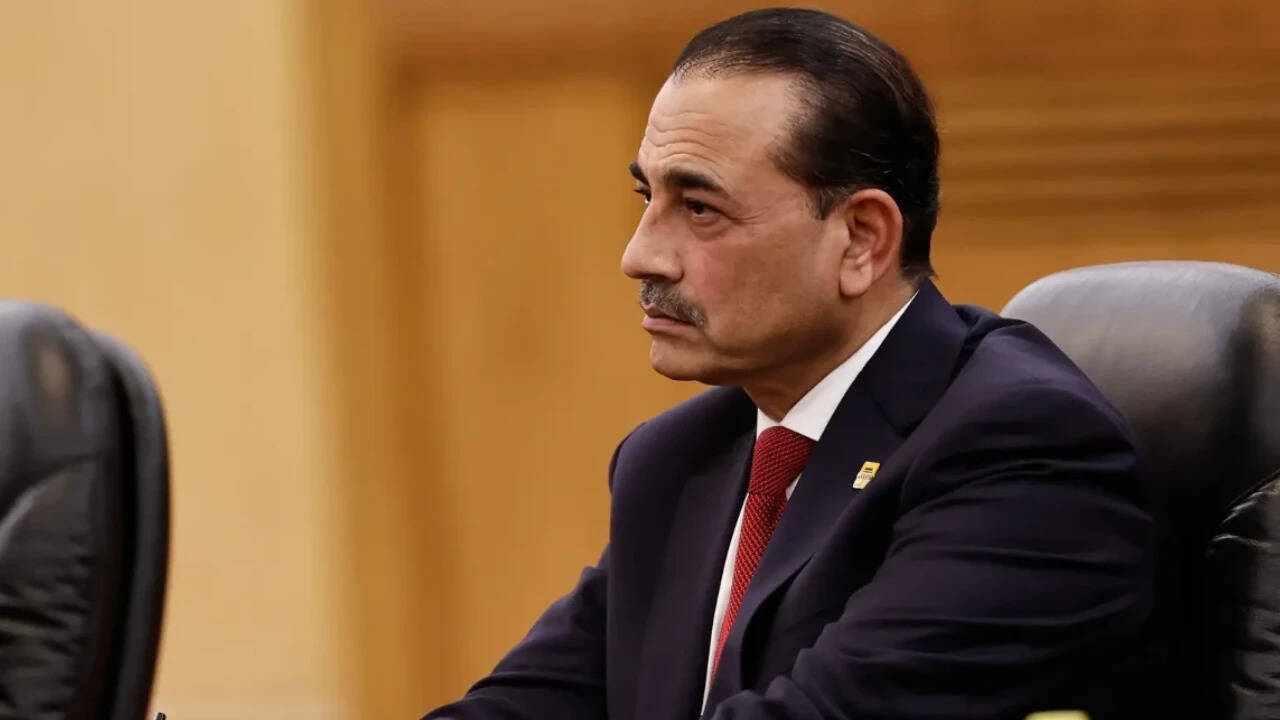
Pakistan's Field Marshal Munir has failed to come to the rescue of Saudi Arabia's Crown Prince Mohammed bin Salman (MBS) in the ongoing crisis. This development has significant implications for the region, as Pakistan and Saudi Arabia have traditionally enjoyed close ties.
The Field Marshal's decision not to intervene on behalf of MBS has raised eyebrows, given the historical relationship between the two nations. Pakistan has long been a key ally of Saudi Arabia, and the two countries have cooperated on various fronts, including defense and economics.
The current crisis in Saudi Arabia has put a strain on the relationship between the two countries, with Pakistan seemingly reluctant to get involved. The reasons behind this reluctance are complex and multifaceted, involving a range of geopolitical and strategic considerations.
One key factor is the changing dynamics of the region, with Pakistan seeking to diversify its relationships and reduce its dependence on any one country. This shift is driven by a desire to pursue a more independent foreign policy, one that is less beholden to the interests of other nations.
The failure of the Field Marshal to support MBS also reflects the internal dynamics of Pakistan's military and political establishment. There are likely to be differing views within the Pakistani establishment on how to handle the situation, with some arguing for a more nuanced approach that takes into account the country's own interests and priorities.
The implications of this development are far-reaching, with potential consequences for the balance of power in the region. The relationship between Pakistan and Saudi Arabia is likely to be reevaluated, with both countries seeking to reassess their priorities and interests.
In the broader context, the crisis in Saudi Arabia has significant implications for the Middle East and beyond. The region is already characterized by complex geopolitical dynamics, with multiple players vying for influence and power. The failure of the Field Marshal to support MBS adds a new layer of complexity to this mix, one that is likely to have far-reaching consequences.
The decision by Pakistan's Field Marshal not to intervene on behalf of MBS is a significant development, one that reflects the changing dynamics of the region and the complexities of Pakistan's relationships with other nations. As the situation continues to unfold, it is likely to have major implications for the balance of power in the region and beyond.
In conclusion, the failure of the Field Marshal to support MBS is a significant event that reflects the complexities of the region and the priorities of the Pakistani establishment. The implications of this development are far-reaching, with potential consequences for the relationship between Pakistan and Saudi Arabia, as well as the broader balance of power in the region.
Frequently asked questions
Why did Pakistan's Field Marshal fail to support MBS?
The reasons behind this decision are complex and multifaceted, involving a range of geopolitical and strategic considerations.
What are the implications of this development for the region?
The failure of the Field Marshal to support MBS has significant implications for the balance of power in the region, with potential consequences for the relationship between Pakistan and Saudi Arabia, as well as the broader dynamics of the Middle East.