Ghana Turns Plastic Waste Into Affordable Paving Blocks
Ghana tackles plastic pollution, creates cheap paving blocks, benefits community
'%3E%3Crect%20width%3D'96'%20height%3D'96'%20fill%3D'%23B3261E'%2F%3E%3Ccircle%20cx%3D'30'%20cy%3D'24'%20r%3D'44'%20fill%3D'%23fff'%20opacity%3D'.12'%2F%3E%3Ccircle%20cx%3D'60'%20cy%3D'74'%20r%3D'40'%20fill%3D'%23000'%20opacity%3D'.10'%2F%3E%3C%2Fg%3E%3Cg%20fill%3D'%23fff'%3E%3Crect%20x%3D'29'%20y%3D'49'%20width%3D'8'%20height%3D'19'%20rx%3D'1'%2F%3E%3Crect%20x%3D'39'%20y%3D'40'%20width%3D'9'%20height%3D'28'%20rx%3D'1'%2F%3E%3Crect%20x%3D'50'%20y%3D'45'%20width%3D'8'%20height%3D'23'%20rx%3D'1'%2F%3E%3Crect%20x%3D'60'%20y%3D'53'%20width%3D'7'%20height%3D'15'%20rx%3D'1'%2F%3E%3Crect%20x%3D'41'%20y%3D'34'%20width%3D'5'%20height%3D'6'%2F%3E%3C%2Fg%3E%3C%2Fsvg%3E)
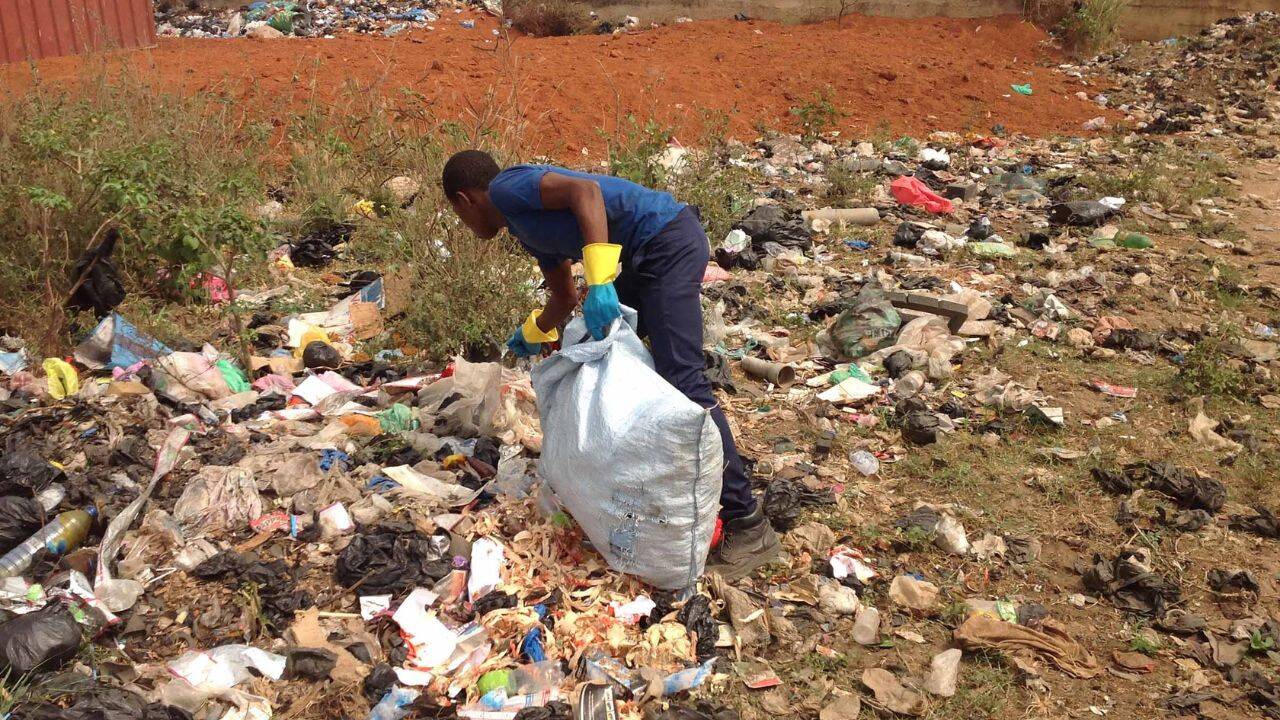
Ghana has introduced an innovative solution to its plastic waste problem by converting it into affordable paving blocks for roads.
Led by entrepreneur Nelson Boateng, the founder of Nelplast, this initiative has been successful in providing compensation to plastic collectors, which has significantly benefited the community.
The paving blocks produced from plastic waste are not only durable but also competitively priced compared to traditional concrete blocks. This approach has effectively addressed environmental concerns while generating financial opportunities for many individuals.
The use of plastic waste to create paving blocks has the potential to greatly reduce the amount of plastic that ends up in landfills and oceans. This method also promotes sustainability and helps to mitigate the harmful effects of plastic pollution on the environment.
In addition to its environmental benefits, this initiative has also created a new source of income for many people in Ghana. Plastic collectors are now able to earn a living by collecting and selling plastic waste to companies like Nelplast.
The success of this initiative in Ghana could serve as a model for other countries to follow. Many cities around the world are struggling to manage their plastic waste, and this approach could provide a viable solution.
The production of paving blocks from plastic waste is a relatively simple process. The plastic waste is first collected and sorted, then it is melted and molded into the desired shape. The resulting blocks are strong, durable, and can withstand heavy traffic.
This innovative approach to plastic waste management has the potential to make a significant impact on the environment. By reducing the amount of plastic waste that ends up in landfills and oceans, Ghana is taking a crucial step towards a more sustainable future.
The initiative has also received praise from environmentalists and community leaders, who see it as a positive step towards addressing the plastic pollution crisis. As the world continues to grapple with the challenges of plastic waste, Ghana's innovative approach could provide a valuable lesson in sustainability and community development.
In conclusion, Ghana's decision to turn plastic waste into affordable paving blocks is a significant step towards a more sustainable future. This initiative has not only helped to reduce plastic pollution but has also generated financial opportunities for many individuals, making it a win-win situation for both the environment and the community.
Frequently asked questions
How is Ghana tackling its plastic pollution crisis?
Ghana is tackling its plastic pollution crisis by turning plastic waste into affordable paving blocks for roads.
What are the benefits of using plastic waste to create paving blocks?
The benefits of using plastic waste to create paving blocks include reducing plastic pollution, promoting sustainability, and generating financial opportunities for many individuals.