EU Plans Migrant Return Hubs Outside Europe
Five EU countries plan return hubs for rejected asylum seekers. Human rights concerns raised.
'%3E%3Crect%20width%3D'96'%20height%3D'96'%20fill%3D'%234A235A'%2F%3E%3Ccircle%20cx%3D'30'%20cy%3D'24'%20r%3D'44'%20fill%3D'%23fff'%20opacity%3D'.12'%2F%3E%3Ccircle%20cx%3D'60'%20cy%3D'74'%20r%3D'40'%20fill%3D'%23000'%20opacity%3D'.10'%2F%3E%3C%2Fg%3E%3Cg%20fill%3D'none'%20stroke%3D'%23fff'%20stroke-width%3D'3'%3E%3Ccircle%20cx%3D'48'%20cy%3D'48'%20r%3D'16'%2F%3E%3Cellipse%20cx%3D'48'%20cy%3D'48'%20rx%3D'6.5'%20ry%3D'16'%2F%3E%3Cline%20x1%3D'32'%20y1%3D'42'%20x2%3D'64'%20y2%3D'42'%2F%3E%3Cline%20x1%3D'32'%20y1%3D'54'%20x2%3D'64'%20y2%3D'54'%2F%3E%3C%2Fg%3E%3C%2Fsvg%3E)
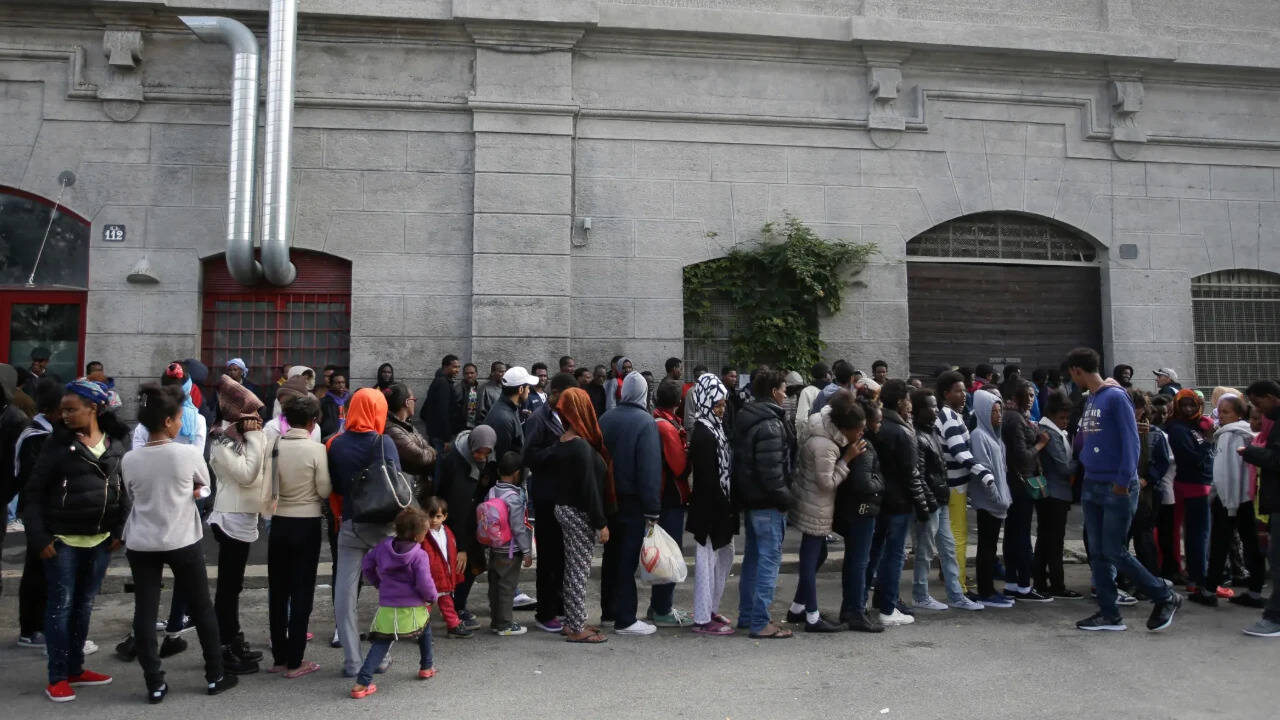
Five European Union countries are moving forward with plans to establish migrant return hubs outside the EU, with the goal of processing rejected asylum seekers for repatriation.
The proposed facilities aim to streamline the process of returning migrants to their countries of origin, and the participating nations hope to finalize agreements with a partner nation to host the hubs by the end of this year.
The countries involved in the plan have stated that the return hubs will operate within international legal frameworks, ensuring that the rights of migrants are protected. However, human rights groups have raised concerns about the potential risks to migrants, including the possibility of detention and deportation to countries where they may face persecution.
The EU has been grappling with the issue of migration for several years, with many member states struggling to cope with the influx of asylum seekers. The establishment of return hubs is seen as a way to manage the flow of migrants and reduce the number of people attempting to reach Europe.
The plan has sparked debate among EU member states, with some expressing support for the idea and others raising concerns about its feasibility and potential impact on human rights. The European Commission has stated that it will work closely with the participating countries to ensure that the return hubs are established and operated in accordance with EU law and international human rights standards.
The proposed return hubs are part of a broader effort by the EU to strengthen its migration policies and reduce the number of irregular migrants arriving in Europe. The EU has also been working to enhance cooperation with countries of origin and transit to prevent migrants from embarking on dangerous journeys to Europe.
As the plan moves forward, human rights groups will be closely monitoring the development of the return hubs to ensure that the rights of migrants are protected. The EU has a responsibility to ensure that its migration policies are humane and respect the dignity of all individuals, regardless of their migration status.
The establishment of return hubs outside the EU is a significant development in the EU's migration policy, and it will be important to watch how the plan unfolds in the coming months. The EU must balance its need to manage migration with its obligation to protect the rights of migrants and ensure that they are treated with dignity and respect.
In conclusion, the plan to establish migrant return hubs outside the EU is a complex issue that raises important questions about migration policy, human rights, and international cooperation. As the EU moves forward with this plan, it is essential that it prioritizes the protection of migrants' rights and ensures that its policies are humane and effective.
Frequently asked questions
What is the purpose of the EU's migrant return hubs?
The purpose of the migrant return hubs is to process rejected asylum seekers for repatriation to their countries of origin.
What are the concerns about the migrant return hubs?
Human rights groups have raised concerns about the potential risks to migrants, including detention and deportation to countries where they may face persecution.