Anduril Unveils Autonomous Thunder Drone
Anduril's Thunder drone, India's Varun drone to change modern warfare. Unmanned systems offer flexibility and reduced risk.
'%3E%3Crect%20width%3D'96'%20height%3D'96'%20fill%3D'%234A235A'%2F%3E%3Ccircle%20cx%3D'30'%20cy%3D'24'%20r%3D'44'%20fill%3D'%23fff'%20opacity%3D'.12'%2F%3E%3Ccircle%20cx%3D'60'%20cy%3D'74'%20r%3D'40'%20fill%3D'%23000'%20opacity%3D'.10'%2F%3E%3C%2Fg%3E%3Cg%20fill%3D'none'%20stroke%3D'%23fff'%20stroke-width%3D'3'%3E%3Ccircle%20cx%3D'48'%20cy%3D'48'%20r%3D'16'%2F%3E%3Cellipse%20cx%3D'48'%20cy%3D'48'%20rx%3D'6.5'%20ry%3D'16'%2F%3E%3Cline%20x1%3D'32'%20y1%3D'42'%20x2%3D'64'%20y2%3D'42'%2F%3E%3Cline%20x1%3D'32'%20y1%3D'54'%20x2%3D'64'%20y2%3D'54'%2F%3E%3C%2Fg%3E%3C%2Fsvg%3E)
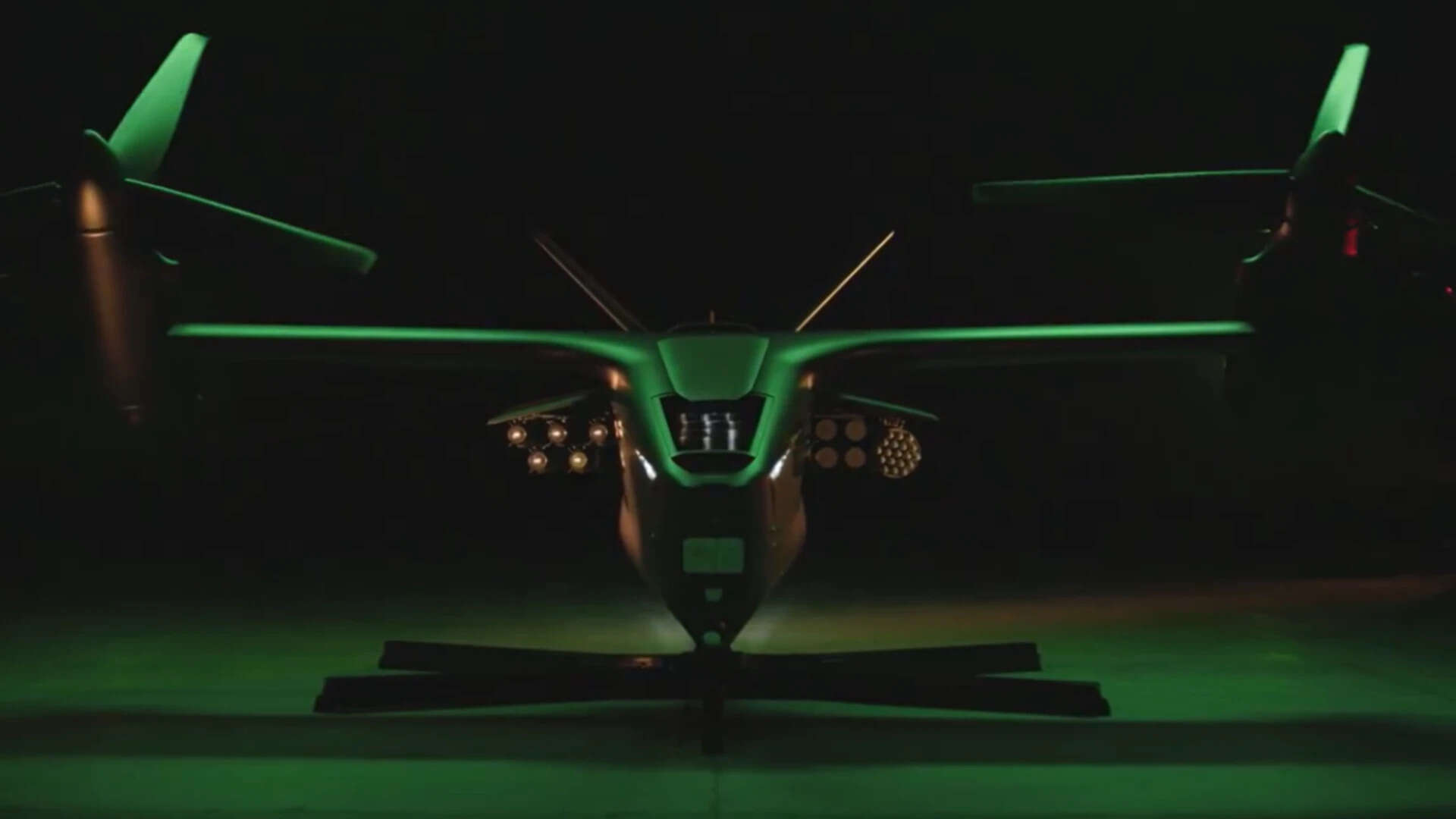
Anduril Industries has unveiled its autonomous attack rotorcraft, Thunder, at the Farnborough Airshow. The Thunder is designed to operate as a drone wingman for current and future attack helicopters, providing support and enhancing their capabilities.
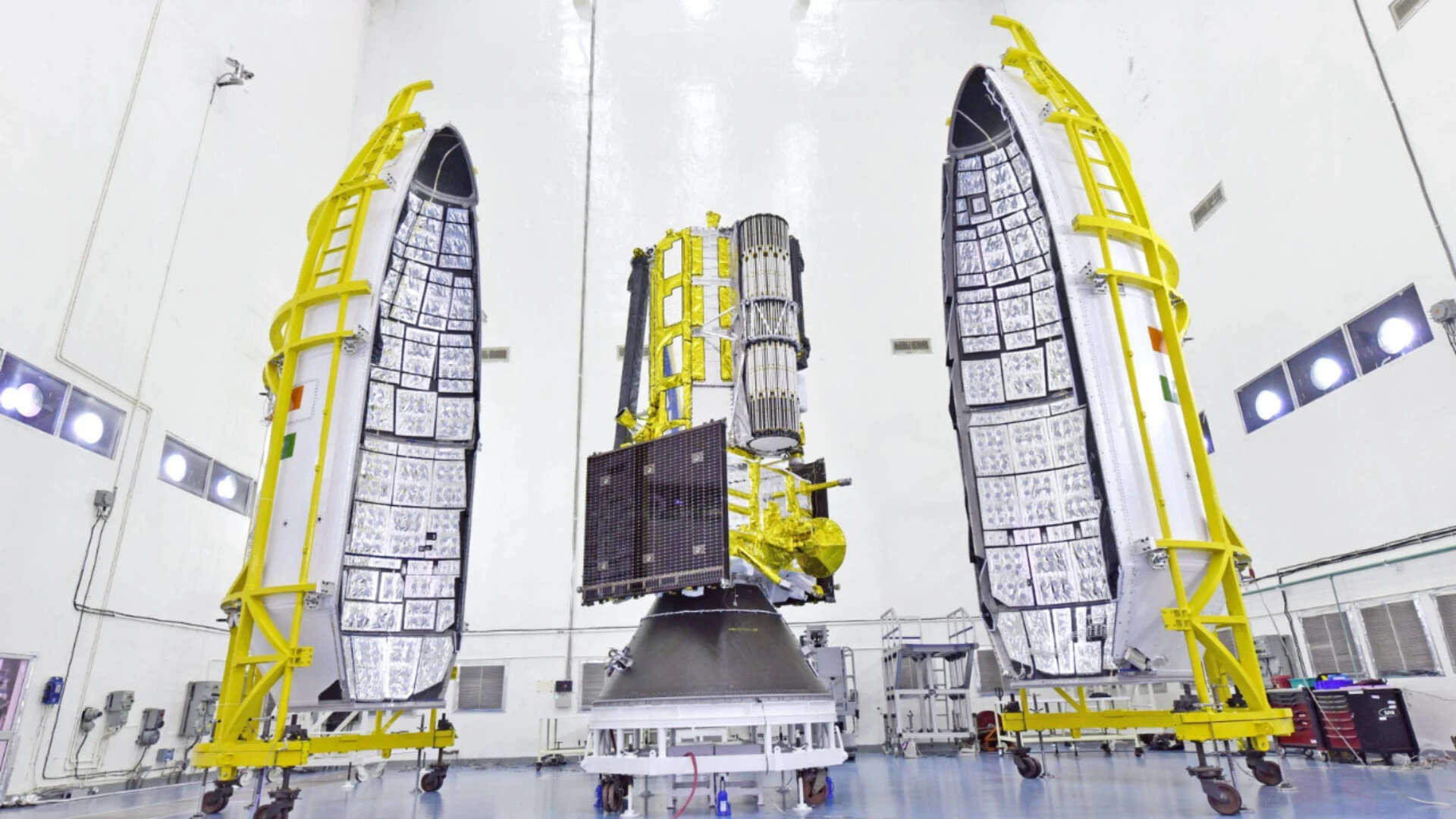
This development comes as India is also advancing its indigenous unmanned systems, with the introduction of the Varun Mk I Naval Shipborne UAS. The Varun is a significant step forward for India's naval capabilities, providing a shipborne unmanned aerial system that can conduct various tasks.
The unveiling of the Thunder and the development of the Varun highlight the growing importance of unmanned rotary systems in modern warfare. These systems offer a range of benefits, including flexibility and reduced risk to human crews in combat. By leveraging autonomous technology, military forces can conduct operations with greater precision and safety.
The Thunder, in particular, is designed to provide close air support and reconnaissance capabilities, working in tandem with manned helicopters to enhance their effectiveness. Its autonomous design allows it to operate in a variety of environments, making it a valuable asset for military forces.
India's Varun drone, on the other hand, is designed to provide naval units with a versatile and reliable unmanned aerial system. The Varun can conduct surveillance, reconnaissance, and communication tasks, making it a valuable addition to India's naval capabilities.
The development of unmanned rotary systems like the Thunder and the Varun is set to change the way we think about drones and their role in modern warfare. As technology continues to advance, we can expect to see even more sophisticated unmanned systems being developed and deployed.
The use of unmanned systems in combat offers a range of benefits, including reduced risk to human crews and increased flexibility. By leveraging autonomous technology, military forces can conduct operations with greater precision and safety, making them a valuable asset on the battlefield.
In the future, we can expect to see unmanned rotary systems playing an increasingly important role in modern warfare. As countries like India and the US continue to develop and deploy these systems, we can expect to see significant advancements in their capabilities and effectiveness.
The introduction of the Thunder and the Varun is a significant step forward for the development of unmanned rotary systems. As these systems continue to evolve, we can expect to see them playing a central role in modern warfare, providing military forces with the flexibility and precision they need to conduct operations effectively.
In conclusion, the unveiling of the Thunder and the development of the Varun highlight the growing importance of unmanned rotary systems in modern warfare. These systems offer a range of benefits, including flexibility and reduced risk to human crews in combat, making them a valuable asset for military forces.
Frequently asked questions
What is the Thunder drone?
The Thunder is an autonomous attack rotorcraft designed to operate as a drone wingman for current and future attack helicopters.
What is the Varun drone?
The Varun is a naval shipborne unmanned aerial system developed by India, designed to conduct surveillance, reconnaissance, and communication tasks.