RBI Governor: UPI Costs Already Borne by Consumers
RBI governor says UPI costs are indirect, no need for explicit fees yet.
'%3E%3Crect%20width%3D'96'%20height%3D'96'%20fill%3D'%230B6E4F'%2F%3E%3Ccircle%20cx%3D'30'%20cy%3D'24'%20r%3D'44'%20fill%3D'%23fff'%20opacity%3D'.12'%2F%3E%3Ccircle%20cx%3D'60'%20cy%3D'74'%20r%3D'40'%20fill%3D'%23000'%20opacity%3D'.10'%2F%3E%3C%2Fg%3E%3Cg%20fill%3D'none'%20stroke%3D'%23fff'%20stroke-width%3D'3.2'%20stroke-linecap%3D'round'%20stroke-linejoin%3D'round'%3E%3Cpolyline%20points%3D'31%2C59%2041%2C49%2049%2C54%2063%2C37'%2F%3E%3Cpolyline%20points%3D'55%2C37%2063%2C37%2063%2C45'%2F%3E%3C%2Fg%3E%3C%2Fsvg%3E)
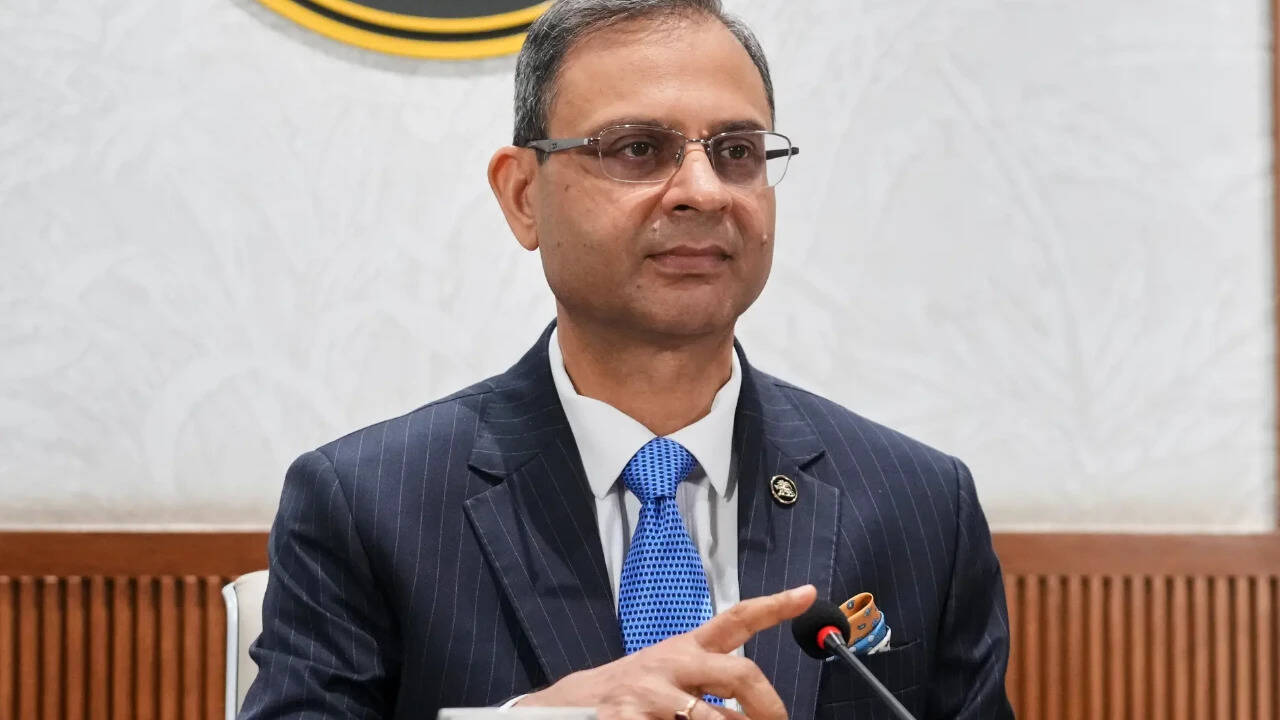
RBI governor Sanjay Malhotra stated that consumers are already indirectly bearing the costs of UPI transactions. This statement was made in response to the potential introduction of explicit fees for merchants using the UPI system.
According to Malhotra, it is premature to introduce such fees at this time. Instead, the focus should be on enhancing the payment infrastructure and increasing its utilization. The governor emphasized that any decision to implement fees should take into account the potential effects on user engagement and ongoing investment in the system.
Malhotra's comments highlight the complex nature of the UPI system and its associated costs. While consumers may not be directly paying fees for UPI transactions, they are indirectly incurring costs through other means. The governor's statement suggests that these indirect costs are already factored into the operations of merchants and other stakeholders.
The UPI system has been a major driver of digital payments in India, with millions of transactions taking place every day. The system's popularity can be attributed to its convenience, speed, and low cost. However, as the system continues to grow and evolve, there may be a need to re-examine its cost structure and consider the introduction of explicit fees.
In the meantime, the RBI's priority is to enhance the payment infrastructure and increase its utilization. This includes investing in new technologies and improving the overall user experience. By doing so, the RBI aims to promote the use of digital payments and reduce the country's reliance on cash transactions.
The RBI's approach to the UPI system is cautious and measured, reflecting the governor's emphasis on considering the potential effects of any changes on user engagement and ongoing investment. As the system continues to grow and evolve, it is likely that the RBI will continue to monitor its development and make adjustments as needed.
In conclusion, the RBI governor's statement highlights the importance of considering the indirect costs of UPI transactions and the potential effects of introducing explicit fees. By prioritizing the enhancement of the payment infrastructure and increasing its utilization, the RBI aims to promote the use of digital payments and support the country's ongoing economic growth.
The UPI system is a critical component of India's digital payments ecosystem, and its continued growth and development will be important for the country's economic future. As such, the RBI's approach to the system will be closely watched by stakeholders and consumers alike.
The governor's statement also underscores the need for a balanced approach to the development of the UPI system, one that takes into account the needs of both consumers and merchants. By doing so, the RBI can help to ensure that the system remains convenient, fast, and low-cost, while also promoting its continued growth and development.
Overall, the RBI governor's comments provide valuable insight into the complex nature of the UPI system and its associated costs. As the system continues to evolve, it is likely that the RBI will play a critical role in shaping its development and ensuring that it remains a key driver of digital payments in India.
In the context of India's digital payments ecosystem, the UPI system is a significant player, and its growth and development will have important implications for the country's economic future. The RBI's approach to the system will be closely watched, and its decisions will have a significant impact on the development of the ecosystem as a whole.
The UPI system has the potential to play a major role in promoting financial inclusion and reducing the country's reliance on cash transactions. As such, the RBI's efforts to enhance the payment infrastructure and increase its utilization are critical to the system's continued growth and development.
In the end, the RBI governor's statement highlights the importance of careful consideration and balanced decision-making in the development of the UPI system. By prioritizing the needs of both consumers and merchants, the RBI can help to ensure that the system remains a key driver of digital payments in India, while also promoting the country's ongoing economic growth and development.
Frequently asked questions
Are consumers directly paying fees for UPI transactions?
No, consumers are not directly paying fees for UPI transactions, but they are indirectly incurring costs.
What is the RBI's priority regarding the UPI system?
The RBI's priority is to enhance the payment infrastructure and increase its utilization.